
6 min read
4.8
LuvemBooks
Share This Review
The Power Broker by Robert A. Caro - Political Biography Review
Our Rating
4.8
Caro's masterful biography of Robert Moses stands as the definitive study of political power in America, combining meticulous research with compelling narrative to create an essential work of political literature.
In This Review
- The Man Who Built Modern New York
- Caro's Investigative Mastery
- Power's Corrupting Architecture
- The Human Cost of Grand Vision
- Where Ambition Meets Its Limits
- Essential Reading for Understanding Power
- Where to Buy
The rare political biography that earns its reputation through specifics, not status. Robert A. Caro's The Power Broker stands as one of the most formidable achievements in American biography, a work that transforms the story of urban planner Robert Moses into an epic examination of power itself — and makes the case that understanding Moses is essential to understanding how American cities actually work. This acclaimed biography asks whether any single book about political power is The Power Broker worth reading in our current era, and the answer remains an emphatic yes. Fans of All the President's Men or other works in The Years of Lyndon Johnson series will recognize Robert A. Caro's meticulous approach to unveiling how power operates behind closed doors.
![[The Power Broker: Robert Moses and the Fall of New York] (By: Robert A Caro) [published: November, 1974]_main_0](https://cdn.luvembooks.com/birthdais/media/original_images/The_Power_Broker_Robert_Moses_and_the_Fall_of_New_York_By_Robert_A_Caro_GMjzMMb.webp)
This substantial biography doesn't just chronicle Moses's rise and fall—it dissects the very mechanisms through which unelected officials can reshape entire cities and states. Robert A. Caro conducted extensive research for this work, including hundreds of interviews and reviewing countless documents to create what many consider the definitive study of political power in twentieth-century America.
The Man Who Built Modern New York
Robert Moses wielded more influence over New York's physical landscape than perhaps any single individual in the city's history. Caro presents Moses not as a simple villain or hero, but as a complex figure whose vision and ruthlessness created both magnificent public works and devastating social consequences. The biography traces Moses's evolution from idealistic reformer to power-obsessed autocrat, showing how he accumulated authority across multiple agencies and authorities while remaining largely invisible to the public.
Moses's projects—from Jones Beach to the Cross Bronx Expressway—fundamentally altered how New Yorkers lived, worked, and moved through their city. Robert A. Caro demonstrates how Moses's preferences shaped everything from beach access to neighborhood destruction, often with profound implications for racial and economic equity. The biography reveals a man who could conceive and execute projects of staggering scope while displaying shocking indifference to the human costs.
Caro's Investigative Mastery
The Power Broker showcases Robert A. Caro's revolutionary approach to political biography. Rather than relying on official records and sanitized interviews, Caro tracked down engineers, secretaries, and displaced residents to reconstruct how power actually functioned. His methodology reads like detective work—following paper trails through obscure authorities, interviewing aging civil servants, and piecing together the informal networks that enabled Moses's dominance.
Robert A. Caro's prose combines the precision of investigative journalism with the narrative drive of epic literature. He makes zoning laws and municipal bond financing genuinely compelling, transforming bureaucratic machinery into high drama. The writing maintains clarity even when explaining complex political and financial arrangements, making the book accessible despite its technical subject matter.
Power's Corrupting Architecture
The biography's central argument is that institutional structures can enable extraordinary accumulations of power while bypassing democratic accountability. Caro shows how Moses exploited legal loopholes, created overlapping authorities, and manipulated public opinion to build what amounted to a shadow government. The tools were specific: dedicated revenue streams, lifetime appointments, and legal immunity that no legislature ever voted to revoke.
This analysis remains strikingly relevant to contemporary debates about regulatory capture and democratic oversight. Caro's examination of how Moses funded projects through bond authorities and avoided legislative scrutiny offers a concrete lens on modern concerns about technocratic governance.
The Human Cost of Grand Vision
Where The Power Broker achieves its greatest emotional impact is in documenting the communities destroyed by Moses's projects. Robert A. Caro meticulously catalogs the neighborhoods razed, families displaced, and social networks severed to make way for highways and housing projects. These sections transform abstract policy discussions into human stories of loss and resilience.
The biography doesn't romanticize the communities that Moses displaced, but it does insist on their value and complexity. Caro shows how Moses's purely physical conception of urban planning ignored the social ecosystems that made neighborhoods function — the East Tremont chapter is the most devastating example. These passages are a reminder that urban development always involves choices about whose lives matter.
Where Ambition Meets Its Limits
Despite its admiration for Robert A. Caro's research and writing, The Power Broker occasionally suffers from its own exhaustive approach. Some sections become repetitive as Caro documents similar patterns across multiple projects and decades. The book's length, while justified by its scope, can overwhelm readers seeking a more focused narrative.
Additionally, Caro's focus on Moses sometimes overshadows the broader political and social forces that enabled his rise. While the biography brilliantly illuminates how one individual accumulated power, it provides less insight into why the political system proved so vulnerable to his methods or what alternatives might have existed.
Essential Reading for Understanding Power
The Power Broker transcends its biographical framework to become a foundational text for anyone seeking to understand how power operates in democratic societies. Caro makes the abstract machinery of governance concrete through Moses's story — the bond authorities, the toll revenues, the lifetime sinecures — and that specificity is what makes the book stick. The argument lands because the evidence is never generic: every claim about power has a name, a dollar figure, or a displaced neighborhood behind it.
For readers willing to commit to its substantial length, The Power Broker rewards with unparalleled insight into how American political power actually works — not how civics textbooks say it does. It succeeds as both a gripping narrative and a serious analysis of democratic governance.
Where to Buy
If you want to understand how unelected officials can quietly reshape a society — and why that still matters — this is the book to own. The Amazon link in the sidebar has the current price.
Frequently Asked Questions
Related Reviews
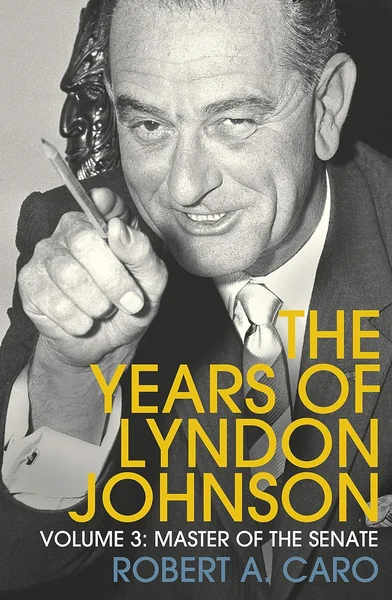
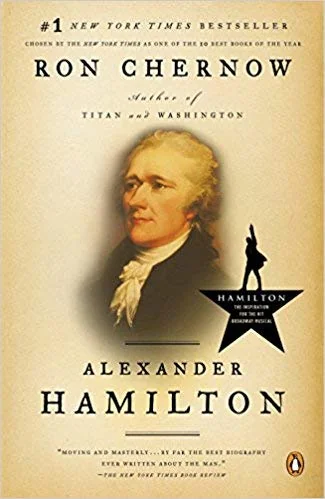
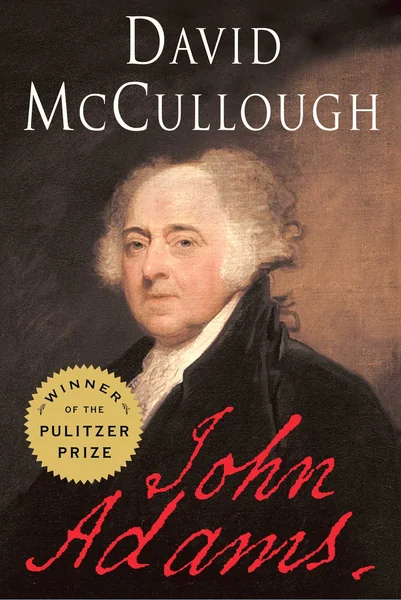
Reviews of books we picked for readers who enjoyed The Power Broker.


Reader Comments
No comments yet
Be the first to share your thoughts!