
Powerful Personal Narratives: Essential Memoirs That Transform
5 books

Biography & Memoir
Powerful Personal Narratives: Essential Memoirs That Transform
Curated recommendations for Memoir enthusiasts
5 Books
4.4 Avg
Updated Mar 5, 2026
The most compelling memoirs don't just tell a story—they transform how we see ourselves and the world around us. These six powerful personal narratives showcase the extraordinary range of human experience, from overcoming educational isolation to navigating the corridors of political power. Each memoir demonstrates how individual stories can illuminate universal truths about resilience, ambition, and the complexity of human nature.
What sets these memoirs apart is their unflinching honesty and masterful storytelling. Whether exploring family dysfunction, scientific achievement, or athletic triumph, these authors reveal intimate truths with prose that's both accessible and profound. These books prove that the most powerful narratives often emerge from the most unexpected places, offering readers not just entertainment, but genuine insight into what it means to be human in all its messy, beautiful complexity.
#1
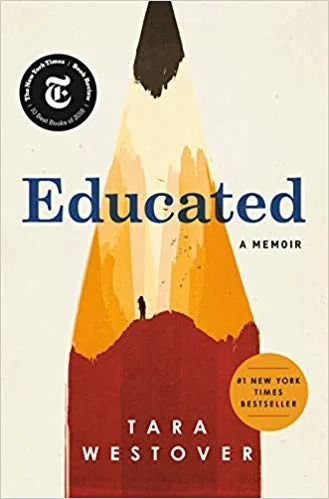
Educated: A Memoir by Tara Westover
by Tara Westover
4.5/5
Westover's restraint makes this memoir devastating in the best possible way. Growing up in a survivalist Mormon family that distrusted schools and hospitals, she chronicles her path from Buck's Peak mountain to Cambridge University without melodrama or self-pity. The power emerges from her measured prose—even when describing untreated head injuries or escalating family violence, she never sensationalizes. What makes this essential reading for memoir enthusiasts is Westover's unflinching examination of her own complicity in family dysfunction. Education becomes both salvation and destroyer of family bonds, explored through shifting narrative voice that mirrors her intellectual awakening. Readers seeking inspirational triumph narratives should know this memoir focuses equally on devastating loss—the price of growth often means losing the people who shaped you.
"Her prose remains measured even when describing the most harrowing incidents, making the abuse more devastating, not less."
#2
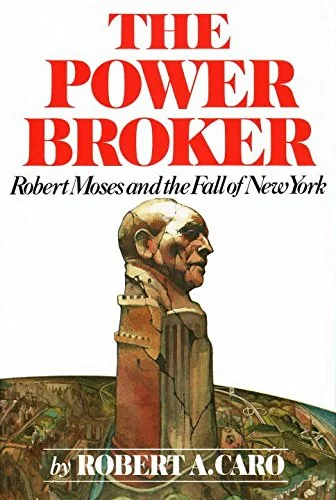
The Power Broker: Robert Moses by Robert A. Caro
by Robert A. Caro
3.8/5
Few biographies achieve what Caro accomplishes here—transforming one man's story into a master class on how power actually works in America. Robert Moses reshaped New York's physical landscape more than any single individual, yet remained largely unelected. Caro's meticulous research, including hundreds of interviews and extensive document review, reveals how Moses evolved from idealistic reformer to ruthless autocrat. This isn't just urban planning history; it's essential reading for understanding how unelected officials can accumulate authority across agencies to bypass democratic processes. The narrative demonstrates both Moses's magnificent public works and their devastating social consequences. Political biography enthusiasts will recognize Caro's signature style from his Lyndon Johnson series—patient, thorough, and utterly compelling. Be warned: this is a substantial commitment requiring patience for extensive detail, but the payoff is a definitive study of twentieth-century American power dynamics.
"Caro presents Moses not as a simple villain or hero, but as a complex figure whose vision and ruthlessness created both magnificent public works and devastating social consequences."
#3
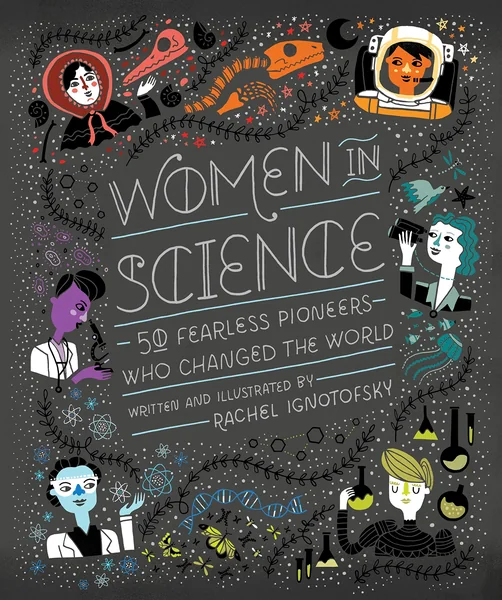
Women in Science: 50 Fearless Pioneers Who Changed the World by Rachel Ignotofsky
by Rachel Ignotofsky
4.8/5
Ignotofsky's vibrant illustrated profiles rescue 50 pioneering women scientists from historical obscurity, transforming complex achievements into accessible biographical snapshots that inspire rather than intimidate. Each scientist receives her own visual narrative—Marie Curie surrounded by glowing radium symbols, Katherine Johnson calculating orbital trajectories—making scientific concepts tangible for young readers. The book succeeds brilliantly as both educational resource and confidence builder, showing girls that scientific genius comes in many forms. However, the illustrated format means these remain introductions rather than deep character studies; readers seeking detailed personal struggles or comprehensive scientific explanations will need to look elsewhere. Perfect for sparking curiosity about lesser-known figures like Rosalind Franklin and Barbara McClintock, whose stories deserve wider recognition.
"Rachel Ignotofsky doesn't simply illustrate the scientists; she creates visual narratives that help young readers understand complex scientific concepts through imagery."
#4
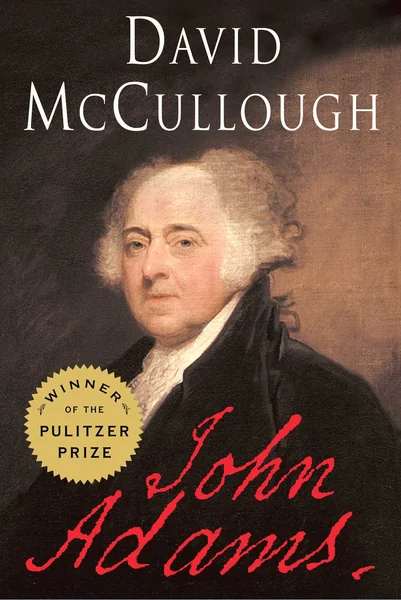
John Adams by David McCullough
by David McCullough
4.7/5
McCullough's Pulitzer Prize-winning biography rescues John Adams from the shadows of Washington and Jefferson, revealing a principled but prickly founding father who chose honesty over popularity. Through meticulous research and engaging prose, Adams emerges as refreshingly human—defending British soldiers after the Boston Massacre, enduring diplomatic isolation in Europe, and struggling with political rivals who seemed more naturally gifted at winning public affection. McCullough masterfully weaves together Adams's legal career, revolutionary activities, and presidency into a coherent portrait of moral complexity. While dense at times and assuming significant background knowledge of Revolutionary War politics, this remains essential reading for understanding how personal character shaped early American democracy.
"McCullough presents John Adams as a complex figure wrestling with ambition, principle, and the messy realities of nation-building."
#5
Seventy-Seven: My Road to Wimbledon Glory by Andy Murray
by Andy Murray
4.3/5
Murray's tennis memoir strips away the usual athletic triumphalism to examine the mental warfare required to win Wimbledon after 77 years of British drought. Rather than celebrating natural talent or training regimens, he dissects the psychological adjustments that finally allowed him to overcome paralyzing home-crowd pressure and self-doubt. His methodical, self-critical prose mirrors his baseline playing style—every mental tweak analyzed with the precision he brought to return positioning. The book reads more like extended therapy sessions than typical sports biography, offering genuine insights into perfectionism and performance anxiety. Tennis fans will appreciate the technical details, but general readers might find themselves lost in strategic minutiae. Murray's unflinching honesty about his own limitations makes this particularly valuable for anyone wrestling with high-stakes pressure situations.
"Murray writes with the same meticulous attention to detail he brought to his baseline game, examining each mental adjustment that finally allowed him to claim tennis's most coveted prize."
Final Thoughts
These five memoirs represent the gold standard of personal narrative, each offering a unique window into experiences that might otherwise remain hidden. From Westover's transformative education to Murray's mental game mastery, these stories remind us that every individual journey contains lessons worth sharing.
The beauty of memoir lies in its ability to make the specific universal. Whether you're drawn to stories of overcoming adversity, wielding power, or achieving excellence, these books deliver profound insights wrapped in compelling storytelling. Each narrative offers not just a glimpse into another life, but tools for understanding your own journey with greater clarity and compassion.
Frequently Asked Questions
What makes a memoir "powerful" compared to regular autobiographies?
Powerful memoirs like Tara Westover's "Educated" combine raw honesty with literary craftsmanship, focusing on transformation rather than just chronological events. They reveal universal truths through deeply personal experiences.
Are these memoirs suitable for book clubs?
Absolutely. Books like "Educated" and "John Adams" spark rich discussions about family, education, power, and resilience. Each offers multiple layers for group exploration and debate.
Which memoir is best for readers new to the genre?
"Educated" by Tara Westover is an excellent starting point—it's accessible, compelling, and demonstrates memoir's power to illuminate both personal and broader social issues through one family's story.
Do these books focus only on American experiences?
While several explore American themes, the list includes diverse perspectives like Andy Murray's British tennis journey and Rachel Ignotofsky's global celebration of women scientists.
Are any of these memoirs particularly inspiring for young readers?
"Women in Science" and "Educated" are especially inspiring for younger audiences, showing how education and determination can overcome significant obstacles and societal barriers.
How long are these books typically?
Most range from 300-400 pages, with "The Power Broker" being notably longer at over 1,000 pages. "Women in Science" is shorter and more visual, making it a quicker but equally rewarding read.