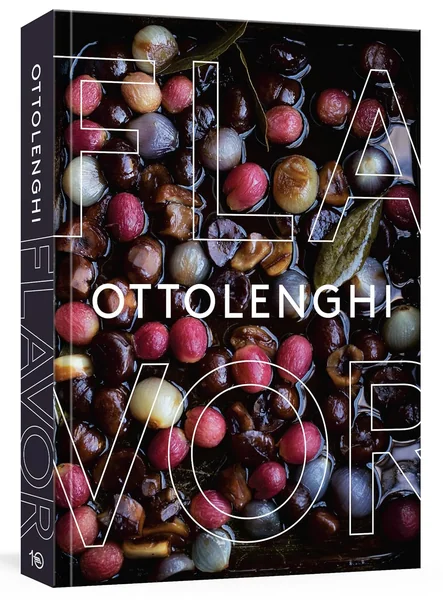
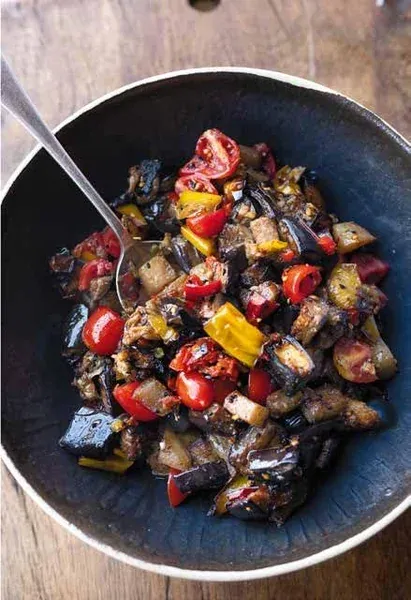
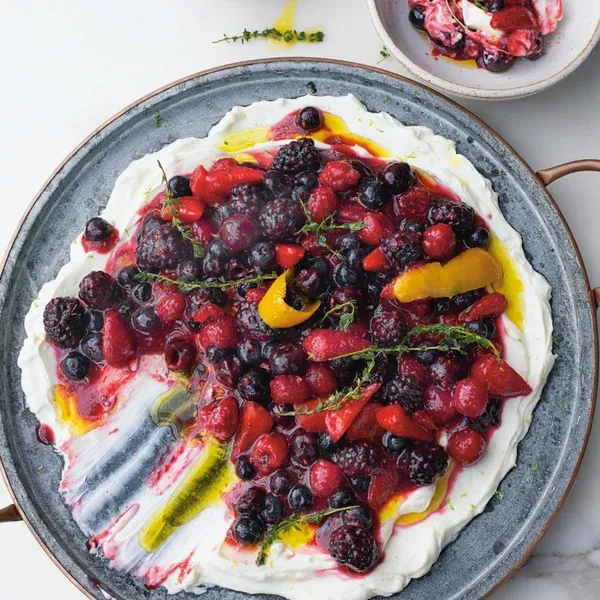
A Scientific Approach to Flavor Building
The authors organize their exploration around process rather than ingredient categories. This structural choice distinguishes Flavor from typical cookbook formats. Rather than chapters devoted to vegetables or grains, readers encounter sections focused on techniques like charring, aging, and infusing.
This methodology reflects a more sophisticated understanding of how flavors develop and interact. The writing demonstrates clear expertise in food science principles, explaining why certain combinations work while others fall flat. The practical exercises guide home cooks through flavor layering with specific ratios and timing suggestions.
The recipes themselves showcase this systematic approach. Instructions include precise temperatures for optimal caramelization and detailed explanations of chemical reactions occurring during cooking. This level of detail makes the book particularly valuable for intermediate cooks ready to move beyond basic recipe following.
Accessibility Versus Innovation
The main weakness lies in the book's assumption of ingredient availability and kitchen equipment. Many recipes call for specialty items that require trips to Middle Eastern markets or online ordering. The authors occasionally suggest substitutions, but these alternatives often compromise the intended flavor profiles.
The techniques demand significant time investment and attention to detail. Unlike Ottolenghi's Simple, which acknowledged busy home cooks' constraints, Flavor assumes readers have both time and patience for elaborate preparation. Some processes require advance planning spanning several days.
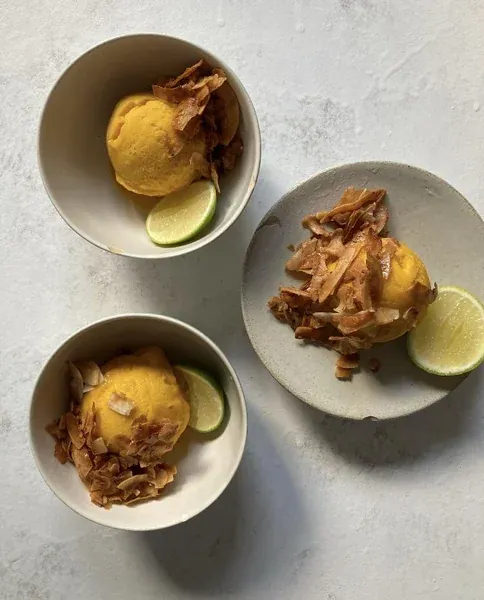
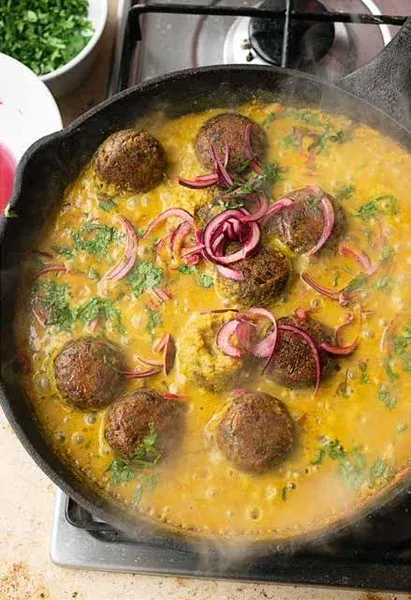
Visual instruction through photography helps bridge the complexity gap. Step-by-step images clarify techniques that might otherwise confuse novice cooks. The production values maintain Ottolenghi's typically high standards, with gorgeous food styling that inspires experimentation.
Beyond Pretty Pictures
The collaboration brings notable strengths to the traditional Ottolenghi formula. Belfrage's background adds Latin American influences that expand the flavor palette beyond Mediterranean standards. Wigley's contribution appears in the book's organizational clarity and systematic approach to recipe development.
Research-backed strategies appear throughout, with explanations grounded in food science rather than intuition alone. The authors cite specific studies about taste perception and ingredient interactions. This academic foundation elevates the content above typical celebrity chef offerings.
However, some sections feel repetitive for readers already familiar with Ottolenghi's previous works. The emphasis on tahini, sumac, and za'atar echoes earlier books without sufficient new applications. Where it falls short is in truly revolutionary techniques that justify purchasing another Ottolenghi cookbook.
The Investment Question
For readers who want to understand flavor construction rather than simply follow recipes, this book delivers substantial value. The systematic approach teaches principles applicable beyond specific dishes. Home cooks can develop intuition about balancing sweet, sour, salty, and umami elements.
Not recommended for beginners seeking straightforward weeknight dinner solutions. The time requirements and ingredient complexity make this better suited for weekend cooking projects and special occasions. If you're struggling with bland home cooking despite following recipes precisely, the flavor-building framework addresses root causes rather than symptoms.
The book works better than typical celebrity chef collections because of its educational foundation. Unlike cookbooks focused purely on recipes, Flavor teaches transferable skills that improve all cooking endeavors.
Highly recommended for experienced home cooks ready to elevate their technique and understanding. The investment pays dividends through improved intuition about ingredient combinations and cooking processes.