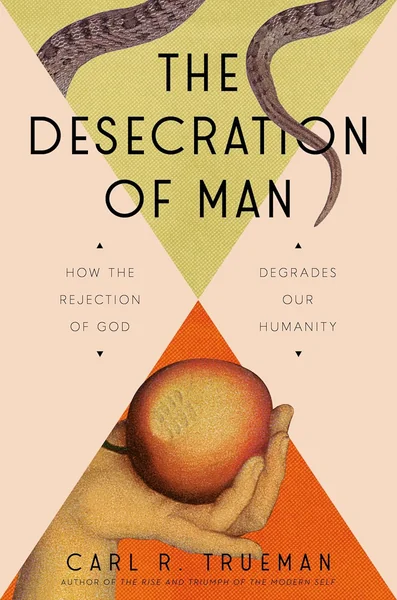
Trueman's Theological Framework
The author grounds his argument in classical Christian anthropology—the belief that humans possess inherent dignity because they're made in God's image. This theological foundation serves as his measuring stick for evaluating modern cultural movements. Trueman contends that secular humanism, despite good intentions, lacks the philosophical resources to maintain human dignity consistently.
His writing style remains accessible without sacrificing intellectual rigor. Complex theological concepts receive clear explanation, making the book approachable for educated lay readers. Trueman avoids academic jargon while maintaining scholarly credibility—a balance that serves his argument well.
Cultural Critique and Modern Examples
The book's strongest sections examine specific cultural phenomena through Trueman's lens. He analyzes how therapeutic culture, identity politics, and sexual revolution reflect deeper philosophical shifts about human nature. Rather than merely condemning these movements, he traces their logical development from secular premises.
Trueman's discussion of expressive individualism proves particularly insightful. He shows how the belief that authenticity requires expressing inner desires, unconstrained by external authorities, ultimately undermines stable social institutions. This analysis connects abstract philosophy to concrete social problems.
Where Conservative Readers Find Value
Perfect for Christians concerned about cultural drift, this book provides intellectual ammunition for understanding contemporary challenges. Trueman doesn't simply assert traditional values—he demonstrates why secular alternatives prove inadequate for human flourishing. His historical perspective helps readers see current issues as part of longer philosophical trajectories.
The author's Reformed theological background shapes his analysis significantly. Readers from this tradition will find familiar themes about human depravity and divine sovereignty woven throughout. However, the cultural criticism transcends denominational boundaries, offering insights valuable to broader conservative Christian audiences.
Limitations and Blind Spots
The main weakness lies in Trueman's occasional tendency toward pessimistic determinism. While his critique of secular culture proves compelling, he offers limited practical guidance for faithful living within that culture. The book diagnoses problems more effectively than prescribing solutions.
Some readers may find his treatment of opposing viewpoints somewhat dismissive. Trueman engages secular thinkers seriously but rarely acknowledges legitimate concerns that drive people away from traditional Christianity. This approach strengthens his argument's internal consistency while potentially limiting its persuasive power with skeptical readers.
The book also reflects a distinctly Western, academic perspective. Readers seeking global or socioeconomically diverse viewpoints on these issues won't find them here. Trueman writes primarily for educated, middle-class audiences already inclined toward his conclusions.
A Sobering but Necessary Read
For readers who appreciate rigorous cultural criticism, The Desecration of Man offers valuable insights into modern society's philosophical foundations. Trueman's scholarship proves solid, his writing clear, and his concerns legitimate. The book succeeds as both theological argument and cultural commentary.
However, approach this expecting intellectual challenge rather than practical comfort. Trueman diagnoses serious cultural problems without offering easy solutions. His goal seems to be awakening Christian readers to the severity of current challenges rather than providing detailed battle plans.
The bottom line: This book rewards careful reading by thoughtful Christians seeking to understand their cultural moment. While it won't convert skeptics, it will equip believers with sharper analytical tools for engaging contemporary debates about human nature and dignity.