

4 min read
4.6
· 116 Amazon ratingsShare This Review
Captain Underpants: The First Epic Manga by Dav Pilkey Review: A Bold, Manga-Reimagined Classic
Captain Underpants: The First Epic Manga is a manga adaptation of the original 1997 Captain Underpants chapter book, written and adapted by Dav Pilkey with all-new illustrations by manga artist Motojiro, published by Graphix on April 7, 2026. It reimagines the story of mischievous fourth-graders George Beard and Harold Hutchins — who accidentally hypnotize their tyrannical principal, Mr. Krupp, into becoming the superhero Captain Underpants — in a fresh format designed to introduce the globally bestselling series to a new generation of readers.
LuvemBooks Verdict
Best for
Young manga fans aged 7 and up — especially reluctant readers already hooked on Dog Man — who want to experience the Captain Underpants origin story in a fresh visual format.
Worth it if
The format is the draw: it's worth picking up if your child loves manga or illustrated comedy and hasn't yet encountered George, Harold, and Mr. Krupp — or if you're looking for a high-energy bridge between Pilkey's Dog Man world and Japanese-style comics.
Skip if
Skip it if your reader already knows the original 1997 chapter book well and is hoping for new plot territory — this retells the same story with new artwork, not a new adventure — or if the series' trademark bathroom-adjacent absurdist humor has been a sticking point in your household before.
What readers & critics say
Publishers Weekly reports that the book is written and adapted by Pilkey and illustrated by Japanese manga artist Motojiro, follows the storyline of the first chapter book, and will incorporate Pilkey's signature Flip-o-Ramas with full-color art reading left to right — noting the title is part of Scholastic's Graphix manga line, with publication set for April 2026. Screenwiseapp.com describes it as "the ultimate reluctant reader bait" that "builds visual literacy and vocabulary through high-engagement comedy" and calls it "the perfect bridge for kids who love Dog Man but are starting to get into Japanese-style manga."
“The latest entry in Scholastic's Graphix manga line brings a familiar face to a new medium.”
— Publishers WeeklyLook inside the book
Preview the actual pages, via Google BooksIn This Review
- What Works & What Doesn't
- What the Book Is and What It Contains
- The Franchise's Place and Significance
- What the Adaptation Is Designed to Do Well
- Genuine Limitations and Audience Considerations
- Who This Book Is For
What Works & What Doesn't
What Works
- Reimagines the beloved original story with all-new manga artwork by dedicated manga artist Motojiro, making it a genuine creative reinvention rather than a repackage
- Based on the franchise's proven, fast-paced original plot — George, Harold, Mr. Krupp, and the villainous Dr. Diaper — giving new readers a strong entry point
- Part of a series with more than 90 million copies sold worldwide and translations into over 37 languages, reflecting extraordinary staying power
- Designed for readers aged 7 and up, strategically targeting the growing audience of young manga readers
- Published by Graphix, Scholastic's dedicated graphic novel imprint, bringing specialist publishing expertise to the format
What Doesn't
- Offers no new story for readers already familiar with the original 1997 chapter book — the appeal is the format, not a new narrative
- The series' signature bathroom humor has made it one of the most frequently challenged books in American schools and libraries, a consideration for some families and educators
What the Book Is and What It Contains

The Franchise's Place and Significance
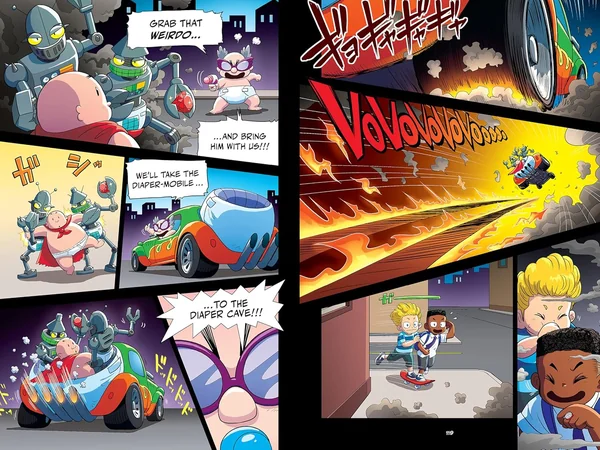
What the Adaptation Is Designed to Do Well
Genuine Limitations and Audience Considerations
Who This Book Is For
Frequently Asked Questions
Sources & Further Reading
The key facts and claims in this review are grounded in the retrieved, verified sources listed below.
- Cited in this review
- 1
- 2
en.wikipedia.org
- 3
scholastic.com
- Further reading
- 4
Dav Pilkey, Wikipedia
- 5
pilkey.com
- 6
- 7
- 8
Related Reviews
Reviews of books we picked for readers who enjoyed Captain Underpants.
Reader Comments
No comments yet
Be the first to share your thoughts!