When Opposites Attract and Repel
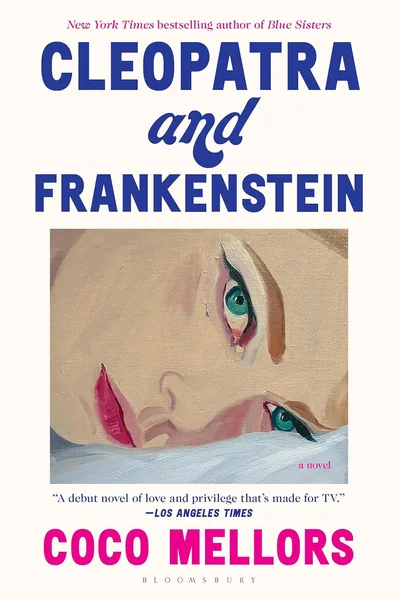
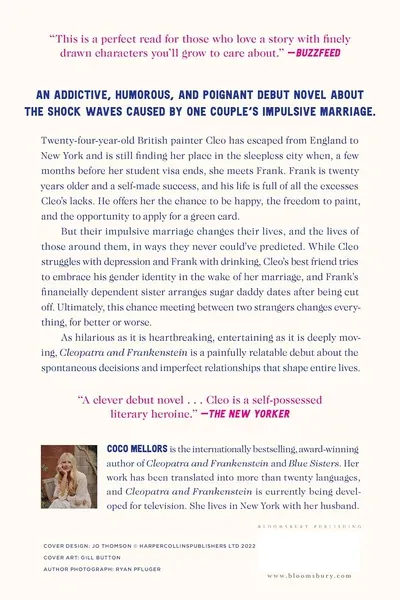
Mellors constructs her narrative around the central paradox suggested by the title - the collision between artistic temperament and scientific precision, youth and experience, British reserve and American excess. Cleo embodies creative chaos: impulsive, struggling financially, seeking her artistic identity in New York's competitive art world. Frank represents structured success haunted by personal demons, using his professional achievements to mask deeper vulnerabilities.
The author explores how attraction between opposites can be both magnetic and destructive. Their initial chemistry stems from their differences, but these same contrasts become sources of conflict as reality intrudes on romance. Mellors avoids romanticizing this dynamic, instead presenting a nuanced portrait of how personality differences that initially fascinate can eventually suffocate.
The novel's structure mirrors this central tension, alternating perspectives and timelines to show how the same events impact each character differently. This technique allows Mellors to examine how perception shapes relationship dynamics, with each character experiencing their shared story through vastly different emotional filters.
Prose That Cuts Deep
Mellors writes with surgical precision, crafting sentences that appear deceptively simple while carrying substantial emotional weight. Her prose style favors clarity over ornamentation, allowing the psychological complexity of her characters to emerge through dialogue and internal monologue rather than elaborate description.
The author demonstrates particular skill in capturing the rhythms of contemporary speech, especially the ways people communicate around difficult truths. Characters often speak in subtext, saying one thing while meaning another, reflecting how real relationships navigate unspoken tensions. This creates an authentically uncomfortable intimacy that makes readers feel like eavesdroppers on private moments.
Mellors also excels at depicting addiction's impact on relationships. Frank's alcoholism isn't portrayed as a plot device but as a lived reality affecting every interaction. The author avoids both melodrama and minimization, instead showing how addiction creates patterns of behavior that reshape entire relationship dynamics.
A Cast Caught Between Ambition and Authenticity
While the central marriage anchors the narrative, Mellors populates her story with supporting characters facing their own identity crises. Friends and family members struggle with questions of authenticity versus success, particularly relevant during the economic uncertainty of the late 2000s.
These secondary characters aren't merely background figures but fully realized individuals with their own arcs. Each represents different responses to the central questions the novel poses about compromise in relationships and careers. Some characters prioritize stability over passion, others choose artistic integrity over financial security, creating a constellation of choices that illuminate the central couple's dilemmas.
The author particularly succeeds in depicting how economic pressure affects personal relationships. Set during the financial crisis, the novel shows how external stressors amplify existing relationship tensions, forcing characters to confront what truly matters when security feels uncertain.
Love, Art, and Self-Destruction
The novel's thematic concerns extend beyond romantic relationships to examine creativity, ambition, and the prices we pay for both. Cleo's artistic struggles reflect broader questions about authenticity versus commercial success, while Frank's career success masks deeper questions about meaning and fulfillment.
Mellors explores how addiction and creativity intersect, particularly through Frank's character. The novel suggests that self-destructive behaviors often stem from the same impulses that drive achievement, creating complex psychological portraits that resist simple moral judgments.
The title's reference to classic literary figures hints at the novel's examination of creation and destruction in relationships. Like Mary Shelley's scientist, these characters attempt to create something new from disparate parts, with similarly unpredictable results.
Where Ambition Exceeds Execution
Despite its considerable strengths, the novel occasionally struggles under the weight of its ambitious scope. Some supporting storylines feel underdeveloped, introduced with promise but resolved too quickly to achieve full emotional impact. The pacing becomes uneven in the middle sections, particularly when jumping between multiple character perspectives.
The novel's ending, while thematically appropriate, may frustrate readers seeking clearer resolution. Mellors chooses ambiguity over closure, which serves her themes but might leave some feeling unsatisfied. Additionally, certain characters fall into familiar archetypes despite the author's generally nuanced characterization.
The time jumps, while structurally interesting, occasionally create confusion about chronology and character development. Readers may find themselves flipping back to track relationship progressions across the novel's non-linear timeline.
Our Take
Cleopatra and Frankenstein succeeds as a sophisticated exploration of modern relationships, particularly for readers who appreciate psychological complexity over neat resolutions. Mellors demonstrates impressive skill for a debut novelist, creating authentic characters facing recognizable dilemmas with emotional honesty.
The novel works best for readers who enjoy character-driven literary fiction that prioritizes internal conflict over external plot mechanics. Those seeking straightforward romance or clear moral frameworks may find the book's ambiguities frustrating, but readers drawn to authors like Sally Rooney or Hanya Yanagihara will likely appreciate Mellors' nuanced approach to contemporary relationships.
Is Cleopatra and Frankenstein worth reading? Yes, particularly for readers interested in how economic and social pressures shape personal relationships. While not perfect, it announces Mellors as a writer capable of examining love's complexities with both tenderness and unflinching honesty.