6 min read
4.5
A psychologically complex masterpiece that honestly portrays childhood anger and fantasy, though its darker themes may not suit all families seeking traditional moral guidance.
Featured In
LuvemBooks
Our Rating
4.5
A psychologically complex masterpiece that honestly portrays childhood anger and fantasy, though its darker themes may not suit all families seeking traditional moral guidance.
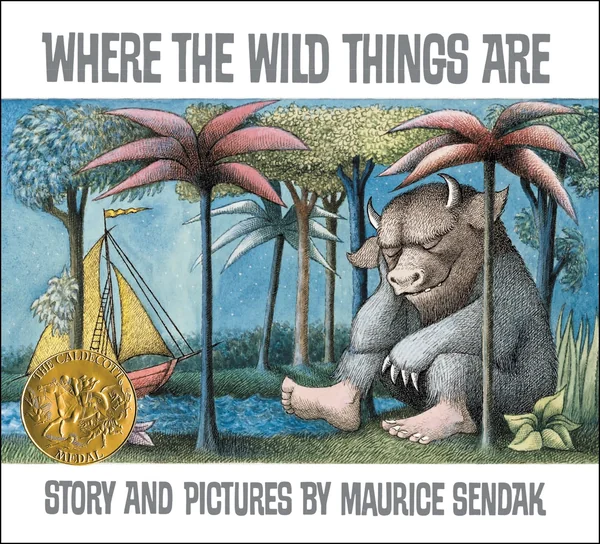
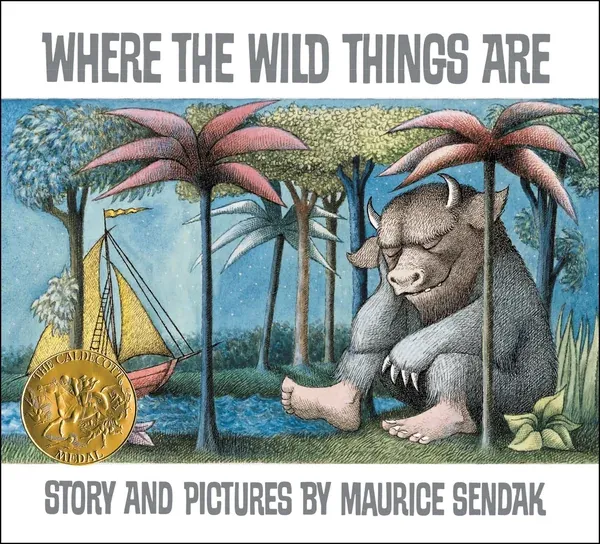
Maurice Sendak's illustrations are the true magic of this book. The artwork literally grows as Max's imagination takes hold—starting with small black-and-white drawings that gradually expand into full-color, wordless double-page spreads during the famous "wild rumpus." This visual progression mirrors Max's emotional journey from constraint to wild freedom and back to the comfort of home.
The Wild Things themselves are masterfully designed creatures that look frightening enough to be genuinely wild, yet endearing enough that children want to befriend them. Sendak drew inspiration from his own childhood fears and the adults who intimidated him, creating monsters that are simultaneously scary and safe—a perfect representation of how children process difficult emotions through play.
The crosshatching technique and earthy color palette give the book a timeless quality that distinguishes it from more commercial picture book art. Even decades after publication, the illustrations feel fresh and emotionally immediate.
The brilliance of Maurice Sendak's Where the Wild Things Are lies in its honest portrayal of childhood anger. Max isn't a perfect protagonist—he's a real child having a real tantrum. When his mother calls him a "wild thing" for misbehaving, he doesn't apologize or learn a simple lesson. Instead, he escapes into fantasy where he can be the wildest thing of all.
This psychological authenticity is what sets Sendak apart from more didactic children's literature. Max's adventure with the Wild Things allows him to work through his anger safely. He becomes their king, leading them in a "wild rumpus" that serves as a cathartic release of pent-up energy and frustration.
The return home is equally important—Max realizes that being wild is exhausting, and the unconditional love waiting for him (symbolized by his supper still being warm) is more satisfying than ruling over monsters. This emotional arc resonates with children who struggle with big feelings and parents who wonder how to handle defiant behavior.
Maurice Sendak's Where the Wild Things Are tackles themes that many picture books avoid: anger, punishment, imagination as escape, and the tension between independence and security. Sendak doesn't provide easy answers or moral lessons. Instead, he presents childhood emotions as they really are—complex, overwhelming, and ultimately manageable.
The book suggests that fantasy play serves a crucial developmental purpose, allowing children to process difficult feelings safely. Max's journey validates the legitimacy of childhood anger while showing that love and security remain constant even when we misbehave.
Some parents appreciate this nuanced approach to discipline and emotions. Others find the lack of clear moral resolution unsettling, preferring books where misbehavior leads to obvious consequences and lessons learned.
Where the Wild Things Are is appropriate for young children, though the ideal age depends on your child's personality and emotional development. Sensitive children might find the Wild Things genuinely frightening, while others will delight in their fierce expressions and playful nature.
The book works best for families comfortable discussing complex emotions. If your child asks why Max was sent to his room or whether the Wild Things are real, be prepared for conversations about anger, consequences, and the difference between fantasy and reality.
Parents should note that Max's defiant behavior isn't explicitly corrected in the text—he simply works through his emotions and returns to love and security. Some families prefer this realistic approach, while others want clearer moral guidance in their children's books.
Despite being published decades ago, Maurice Sendak's Where the Wild Things Are remains remarkably relevant. Sendak's understanding of childhood psychology transcends generational differences, and his artistic vision continues to captivate new readers.
The book's brevity makes it accessible to young readers while providing enough depth for repeated readings. Children often discover new details in the illustrations and connect differently with Max's emotional journey as they grow.
For families seeking picture books that treat children as complex emotional beings rather than blank slates for moral lessons, Where the Wild Things Are offers a rich, authentic experience that validates the reality of childhood feelings while celebrating the power of imagination and unconditional love.
You can find Where the Wild Things Are at Amazon, your local bookstore, or directly from HarperCollins Publishers.