
BOOKS
Published
Read Time
5 min read
Our Rating
3.5
Reviewed by
LuvemBooks
Share This Review
The Tell by Linda I. Meyers: Family Trauma Memoir - Review
Our Rating
3.5
A thoughtful memoir examining family psychology from both personal and professional perspectives, though sometimes overly introspective for general readers.
In This Review
- What Works & What Doesn't
- A Dual Perspective on Family and Psychology
- Raw Honesty About Professional Blind Spots
- The Psychology of Inherited Patterns
- Where Clinical Meets Personal
- A Memoir for Those Who Analyze Everything
What Works & What Doesn't
What Works
- Honest examination of professional blind spots in personal relationships
- Nuanced portrayal of mother-daughter dynamics across generations
- Avoids oversimplified solutions to complex family patterns
- Accessible integration of psychological concepts with personal narrative
- Thoughtful exploration of inherited family behaviors
What Doesn't
- Occasionally becomes overly analytical and therapy-session-like
- Lacks clear resolution or transformation arc that many memoir readers expect
- Some sections feel more clinical than narratively engaging
A Dual Perspective on Family and Psychology
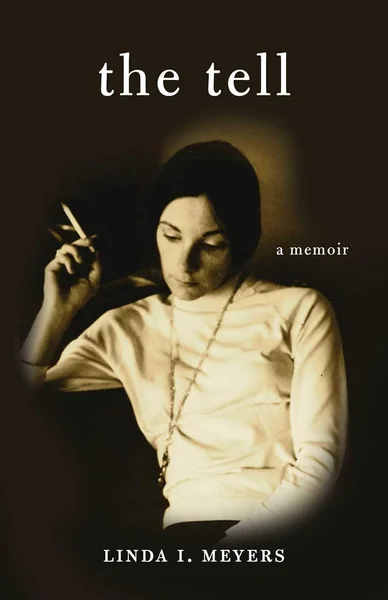
A memoir that earns its insights by refusing to make them easy — Meyers is more honest about the limits of professional knowledge than most therapist-authors dare to be. Meyers structures her narrative around the tension between her professional training and her personal experience as a daughter. The memoir explores how understanding psychological concepts intellectually differs vastly from applying them within the charged atmosphere of family relationships. She examines the ways mothers and daughters communicate—and fail to communicate—across generations.
Meyers's background in psychology provides a unique framework for examining family dynamics, but she avoids the trap of turning her memoir into a clinical case study. Instead, she acknowledges the limitations of professional distance when dealing with those closest to us. The writing maintains accessibility while incorporating psychological insights that illuminate broader patterns of family behavior.
Raw Honesty About Professional Blind Spots
The main strength of this memoir lies in Meyers's willingness to examine her own blind spots as both a daughter and a mental health professional. She doesn't position herself as having all the answers despite her training. The narrative explores how professional competence can coexist with personal confusion, particularly when dealing with long-established family patterns.
Meyers writes with controlled emotion, avoiding both clinical detachment and melodramatic confession. Her prose style balances analytical observation with genuine feeling, creating a voice that feels both professional and deeply personal. She examines difficult family conversations with the kind of nuanced attention that comes from years of listening to others navigate similar terrain.
The Psychology of Inherited Patterns
The memoir delves into themes of inherited psychological patterns and how they manifest across generations. Meyers is particularly sharp on the bind facing mental health professionals: the very patterns they help clients identify are the ones they find hardest to escape at home.
Rather than offering prescriptive solutions, the book acknowledges the messy reality of family relationships where understanding doesn't automatically lead to transformation. Meyers examines how professional training can both help and hinder personal relationships — sometimes adding layers of analysis that complicate rather than clarify.
Where Clinical Meets Personal
The memoir's greatest achievement is its honest portrayal of the gap between professional competence and personal application. Meyers shows how psychological knowledge can create false confidence — or add pressure to "fix" dynamics that may simply need to be accepted.
The writing occasionally becomes overly introspective, with some sections feeling more like therapy notes than narrative memoir. However, these moments of intense self-examination serve the book's central purpose of illustrating how difficult it can be to maintain perspective on our own family relationships, regardless of our professional training.
A Memoir for Those Who Analyze Everything
This memoir works best for readers who find themselves constantly analyzing their family relationships and wondering whether their insights lead to genuine change. Mental health professionals will recognize the particular challenges of applying clinical skills to personal situations, while general readers will appreciate the honest examination of mother-daughter dynamics.
The book offers no easy resolutions or transformation narratives — the satisfaction here is in careful examination and sitting with complexity. Readers who can tolerate ambiguity will find Meyers's tracing of inherited family patterns genuinely rewarding; those seeking quick fixes or dramatic breakthroughs will find it frustratingly inconclusive.
The Tell succeeds as a thoughtful examination of how professional knowledge intersects with personal experience, particularly in the realm of family relationships. It's a memoir that asks difficult questions about the limits of understanding and the ongoing nature of family dynamics. Readers drawn to honest, psychologically grounded mother-daughter memoirs will find it worth their time — the Amazon link in the sidebar has the current price.
Frequently Asked Questions
Is The Tell: A Memoir by Linda I. Meyers worth reading in 2026?
Based on my 3.5/5 rating, this memoir offers valuable insights for those interested in psychology and family dynamics, though it may not resonate with all readers. The book's unique dual perspective between professional training and personal experience makes it particularly relevant for anyone exploring the gap between intellectual understanding and lived reality.
Who should read The Tell: A Memoir?
This book is perfect for psychology students, mental health professionals, and anyone interested in family memoirs that explore complex psychological themes. Readers who appreciate analytical approaches to personal narratives and those dealing with their own family dynamics will find Meyers' dual perspective particularly insightful.
How does The Tell: A Memoir compare to other psychology memoirs?
Unlike typical memoirs that focus purely on personal storytelling, Meyers brings her professional psychological training directly into her narrative structure. This creates a more analytical and intellectually rigorous approach than most family memoirs, though some readers may find it less emotionally engaging than purely personal accounts.
What is the main takeaway from The Tell: A Memoir by Linda I. Meyers?
The central insight is the significant difference between understanding psychological concepts intellectually versus applying them within personal family relationships. Meyers demonstrates how professional training can both illuminate and complicate our understanding of our own family dynamics and personal experiences.
What psychological themes does The Tell: A Memoir explore?
The memoir explores the tension between professional psychological knowledge and personal family experience, examining how theoretical understanding often fails to translate smoothly into real-life situations. Meyers delves into family dynamics through both a daughter's emotional lens and a psychologist's analytical framework.
At $12.99, is The Tell: A Memoir worth buying?
For readers specifically interested in psychology and family dynamics, the price is reasonable given the book's unique dual perspective approach. However, those looking for a traditional emotional memoir might find better value elsewhere, as this book leans more toward analytical exploration than pure storytelling.
What are the strengths and weaknesses of The Tell: A Memoir?
The book's greatest strength is its innovative structure that bridges professional psychology and personal narrative, offering insights unavailable in typical memoirs. The main limitation is that this analytical approach may feel distant or overly intellectual for readers seeking a more emotionally immersive family story.
BEST DEAL
Related Reviews
Reviews of books we picked for readers who enjoyed The Tell.


Reader Comments
No comments yet
Be the first to share your thoughts!