LuvemBooks
LuvemBooks

Expert Book Reviews & Recommendations

​
​
LuvemBooks
LuvemBooks

Expert book reviews and reading recommendations

Company
AboutPrivacy PolicyTerms of UseAffiliate Disclosure
Books
All Book ReviewsNew ReleasesTop Rated
Explore
FictionNon-Fiction
Our Network
LuvemBooks
LuvemPets
LuvemHome

© 2026 LuvemBooks. All rights reserved.

Built by capNotion

  1. Home
  2. Book Reviews
  3. Business & Economics
  4. The Advantage: Why Organizational Health Trumps Everything Else In Business by Patrick M. Lencioni

The Advantage: Why Organizational Health Trumps Everything Else In Business (J-B Lencioni Series) by Patrick M. Lencioni front cover
The Advantage: Why Organizational Health Trumps Everything Else In Business (J-B Lencioni Series) by Patrick M. Lencioni book cover
BOOKS

The Advantage by Patrick Lencioni: Organizational Health Review

by Patrick M. Lencioni

4.2

·

6 min read

$8.90 on Amazon
Reviewed by

LuvemBooks

·

Apr 3, 2026

Lencioni delivers a practical framework for organizational health that prioritizes leadership team dynamics and clear communication over traditional business tactics, though implementation requires significant commitment from senior leadership.

Our Review

In This Review
  • What Works & What Doesn't
  • The Four Disciplines Framework
  • Practical Implementation Over Theory
  • Research Foundation and Evidence
  • Leadership Team Focus and Limitations
  • Comparison to Other Leadership Frameworks
  • Worth the Investment for Leadership Teams

What Works & What Doesn't

What Works
  • Provides concrete tools and meeting formats for immediate implementation
  • Addresses root causes of organizational dysfunction rather than symptoms
  • Clear, accessible writing style that translates complex concepts into actionable steps
  • Systematic four-discipline approach that builds logically from leadership team health
  • Includes assessment frameworks to diagnose current organizational health levels
What Doesn't
  • Heavy focus on senior leadership may limit relevance for mid-level managers
  • Limited guidance on long-term sustainability and progress measurement
  • Assumes leadership team stability and commitment that may not exist in all organizations
  • Case studies feel somewhat generic compared to the detailed frameworks provided
Ready to buy?
$8.90 - Amazon

The Four Disciplines Framework

The Advantage: Why Organizational Health Trumps Everything Else In Business (J-B Lencioni Series)_main_0
Lencioni organizes his organizational health model around four fundamental disciplines that healthy organizations must master. Rather than abstract theory, these disciplines provide actionable steps that leadership teams can implement immediately. The framework emphasizes behavioral changes over structural reorganization, making it particularly relevant for organizations seeking transformation without wholesale disruption.
The first discipline focuses on building cohesive leadership teams, acknowledging that dysfunction at the top cascades throughout the organization. Lencioni draws from his extensive consulting experience to illustrate how leadership team dynamics directly impact organizational performance. Unlike most business books that treat leadership as an individual competency, this approach recognizes leadership as fundamentally collaborative.
The remaining disciplines address clarity creation, communication reinforcement, and human systems reinforcement. Each builds logically on the previous, creating a comprehensive approach to organizational development that feels both systematic and practical.

Practical Implementation Over Theory

Where many business books remain frustratingly vague about execution, The Advantage provides concrete tools and processes. Lencioni includes meeting formats, assessment frameworks, and step-by-step guidance for implementing each discipline. These aren't theoretical models but battle-tested approaches refined through years of organizational consulting.
The book particularly shines in its treatment of organizational clarity. Rather than generic mission statement advice, Lencioni provides six critical questions every organization must answer clearly and consistently. These questions force leadership teams to make difficult decisions about priorities, values, and strategic direction—decisions many organizations avoid through endless discussion and committee formation.
For readers who want immediate applicability, the book delivers practical exercises that can be implemented in the next leadership meeting. The assessment tools help organizations diagnose their current health levels and identify specific areas requiring attention.

Research Foundation and Evidence

Lencioni supports his framework with compelling research on organizational performance, though he maintains his trademark accessible writing style throughout. The evidence comes primarily from his consulting practice rather than academic studies, which gives the book credibility among practitioners while potentially limiting its appeal to research-focused readers.
The author presents case studies from various industries, demonstrating how the four disciplines apply across different organizational contexts. These examples help readers visualize implementation in their specific situations, though some may find the examples somewhat generic compared to the detailed frameworks provided.
The main weakness lies in the limited discussion of measurement and long-term sustainability. While Lencioni provides tools for initial assessment and implementation, the book offers less guidance on maintaining organizational health over time or measuring progress quantitatively.

Leadership Team Focus and Limitations

The framework's emphasis on leadership team health reflects both a strength and potential limitation. Organizations with dysfunctional senior leadership will find the book invaluable for addressing root causes of broader organizational problems. The emphasis on vulnerability, conflict resolution, and commitment at the leadership level addresses issues many business books ignore.
However, this top-down approach may feel less relevant for mid-level managers or individual contributors seeking to improve their immediate work environment. While healthy leadership cascades down, readers without senior leadership influence might struggle to implement many of the book's recommendations.
The book also assumes a level of leadership team stability and commitment that may not exist in all organizations. Implementing the four disciplines requires sustained effort and behavioral change from senior leaders—prerequisites that aren't always present.

Comparison to Other Leadership Frameworks

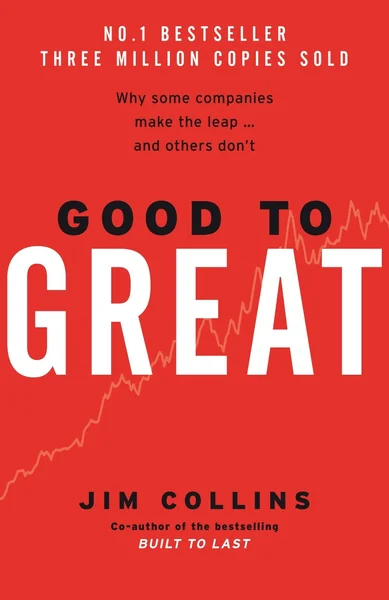
Readers familiar with Good to Great or Built to Last will appreciate Lencioni's focus on organizational fundamentals, though his approach feels more immediately actionable than Jim Collins' research-heavy methodology. The bottom line: where Collins identifies what great organizations do, Lencioni provides a roadmap for getting there.
The book complements rather than competes with technical business disciplines. Leaders working through The Lean Startup methodology or implementing specific strategic frameworks will find organizational health principles enhance rather than replace their technical approaches.

Worth the Investment for Leadership Teams

Is The Advantage recommended? For senior leadership teams ready to examine their own dysfunction and commit to behavioral change, absolutely. The book provides a clear framework, practical tools, and honest assessment of what organizational health requires. Organizations struggling with execution despite sound strategy will find particularly valuable insights.
Individual readers seeking personal leadership development might find more targeted resources elsewhere, though the principles remain relevant for anyone in leadership roles. The practical exercises and assessment tools justify the investment for organizations serious about systematic improvement.
The framework's emphasis on sustained behavioral change over quick fixes makes this ideal for leaders willing to invest in long-term organizational development rather than seeking immediate results from tactical adjustments.

Product Gallery

The Advantage: Why Organizational Health Trumps Everything Else In Business (J-B Lencioni Series) by Patrick M. Lencioni front cover
The Advantage: Why Organizational Health Trumps Everything Else In Business (J-B Lencioni Series) by Patrick M. Lencioni book cover
Share This Review
Browse Categories

Business & Economics

Health & Wellness

Science & Nature

Popular Reviews
POPULAR
RECENT
TRENDY

A World of Curiosities by Louise Penny Review - Gamache Novel 18

4/3/2026

Exposure by Wim Hof Review: Does the Iceman's Method Work?

4/2/2026

The Ultimate Guide to Rebuilding a Civilization by Jackson Ridge - Review

4/2/2026