8 min read
4.6
· 1,211 Amazon ratingsShare This Review
It's the Manager by Jim Clifton & Jim Harter Review: A Data-Backed Case for Coaching Leadership
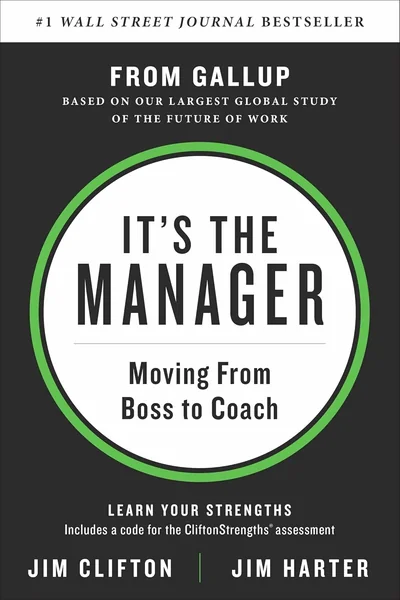
Published by Gallup Press in May 2019, It's the Manager: Moving From Boss to Coach is a business leadership book by Jim Clifton, Chairman of Gallup, and Jim Harter, Ph.D., Gallup's Chief Scientist for Workplace. Drawing on Gallup's decades of workplace research, the book argues that the single biggest factor in organizational performance and employee engagement is the quality of the manager — and that today's workforce demands coaches, not commanders. It earned recognition as a Wall Street Journal #1 bestseller and remains a widely cited resource in management and human resources circles.
LuvemBooks Verdict
Best for
HR leaders, managers navigating multigenerational teams, and executives driving cultural change who want a data-backed case for shifting from directive management to a strengths-based coaching model.
Worth it if
You lead people through significant organisational or cultural transition and want a framework rooted in large-scale Gallup workplace research rather than executive memoir or anecdote — especially if your organisation already uses or is considering Gallup's Q12 engagement tools.
Skip if
You're looking for a concise, quick-reference leadership guide or want perspectives that critically engage with the coaching model from outside Gallup's own research ecosystem.
What readers & critics say
Mentoring-club.com describes the book as advocating a clear shift from the conventional boss mindset toward a coaching approach that empowers employees and drives organisational performance, highlighting employee engagement and the evolving role of managers as central themes. Abebooks.co.uk notes the book is packed with 52 discoveries from Gallup's largest study on the future of work, covering how leaders can adapt to rapid change — from new workplace demands to managing remote employees.
Sources: mentoring-club.com, abebooks.co.ukAsk LuvemBooks
Was this helpful?
- Is it worth reading?
- For managers, HR professionals, and executives who want a research-grounded framework for rethinking leadership, It's the Manager delivers a clear and credible case. Its Wall Street Journal #1 bestseller status reflects broad professional resonance, and the inclusion of a CliftonStrengths assessment code adds tangible, personalized value beyond the text. The main caveat is that the book is published by Gallup Press and relies exclusively on Gallup's own data, so readers seeking external critique or alternative frameworks won't find them here — and the comprehensive scope may feel expansive for those wanting a tightly distilled quick-reference guide.
- Similar books
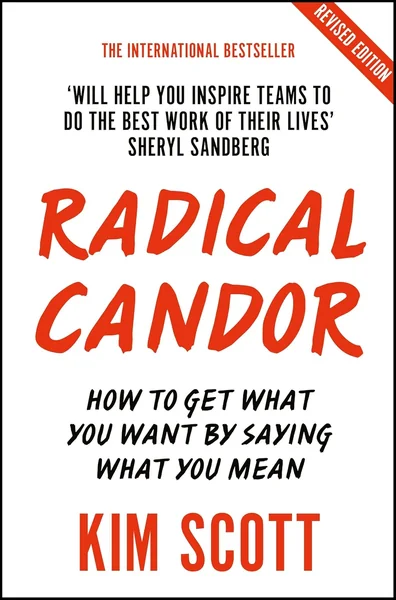
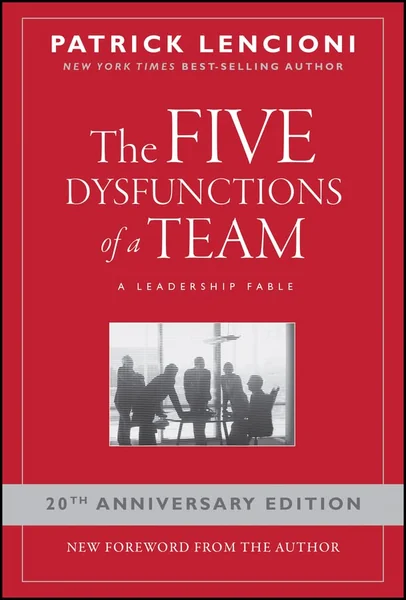
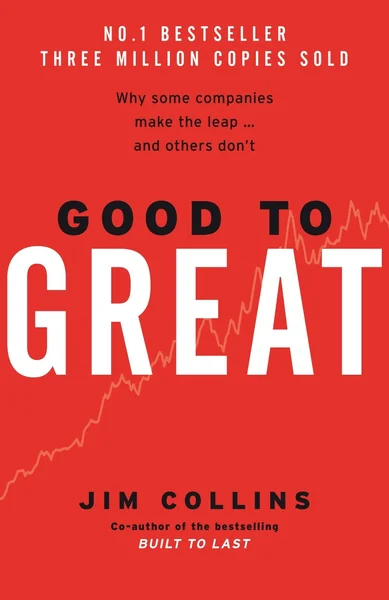
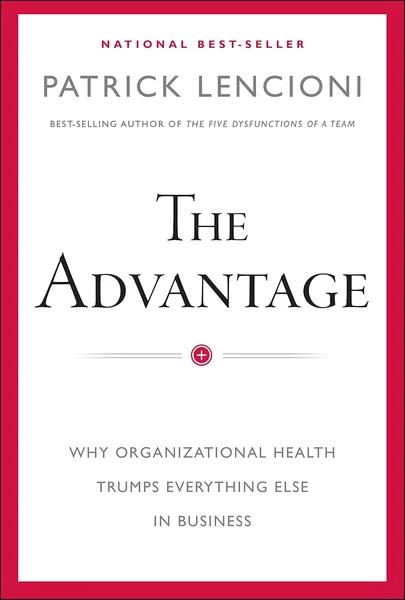
- Readers who respond to It's the Manager's research-grounded, systems-level view of leadership will find strong companions in the curated titles below. Jim Collins' Good to Great similarly uses large-scale data to identify what separates high-performing organizations from the rest. Patrick Lencioni's The Five Dysfunctions of a Team and The Advantage both tackle organizational health and team dynamics from a practitioner's perspective. Kim Scott's Radical Candor maps directly onto the coaching-over-commanding theme, offering a complementary framework for giving feedback and developing people. For readers interested in the cognitive science underlying workplace decision-making, Thinking, Fast and Slow by Daniel Kahneman provides a rigorous behavioral foundation that pairs well with Gallup's empirical approach.
- Who should read this?
- It's the Manager is designed for a professional audience: practicing managers who need to adapt to the expectations of a changing workforce, HR leaders building development programs, and executives evaluating organizational culture from the top down. The book speaks most directly to leaders managing multigenerational teams or overseeing significant cultural transitions, particularly given its focus on younger employees who want coaches that develop their strengths and connect their work to larger purpose. Organizations already invested in Gallup's Q12 engagement framework will find it an especially coherent companion resource.
- What are the main themes?
- The book's central themes are the shift from boss to coach as the defining managerial evolution of the modern era, the outsized impact of manager quality on organizational performance and employee engagement, and the changing expectations of younger workforce generations who prioritize mission, purpose, and individual development over hierarchical authority. Clifton and Harter also explore the importance of a strengths-based approach to management — developing what employees do well rather than correcting deficiencies — as a key mechanism for driving both engagement and results. Underlying all of it is a persistent theme of evidence over anecdote: the entire argument is anchored in Gallup's empirical workplace research rather than leadership intuition or executive storytelling.
- Where should I start with these authors?
- Both authors have established track records translating survey science into actionable frameworks. Jim Clifton's prior books include The Coming Jobs War and Born to Build, offering a broader view of workforce and entrepreneurship trends. Jim Harter has co-authored 12: The Elements of Great Managing and Wellbeing: The Five Essential Elements, both of which are direct predecessors in Gallup's body of applied workplace research. Readers who find It's the Manager compelling will find those earlier titles coherent extensions of the same research tradition rather than departures from it.
- Can this be used for team or org-wide training?
- It's the Manager is explicitly designed with organizational adoption in mind: each copy includes a CliftonStrengths assessment access code, and supplemental content is available through Gallup's online workplace platform, making it practical for deployment as a training or onboarding resource. Organizations already operating within Gallup's Q12 engagement framework will find the book an especially coherent companion, with the comprehensive scope — while potentially demanding for individual readers — well suited to structured group learning contexts. HR leaders and executives looking for a research-backed text to anchor a manager development program will find the book's institutional weight and application-oriented design particularly useful.
Summarize this book
Follow up
Synthesized from verified book data & published reviews · How we review
Press Enter to ask. Answers come from our editorial Q&A — start typing to see related questions.
Age & Reading Level
Recommended age
Adult
Reading level
Adult
who it suits
Skip if you're looking for a management book that critically engages with research outside Gallup's own data or presents alternative leadership frameworks alongside the coaching model.
Our Review
What the Book Actually Argues
Significance and Place in the Genre
Strengths: Research Grounding and Practical Scaffolding
Limitations and Who May Struggle With It
Who This Book Is For
Sources & Further Reading
The key facts and claims in this review are grounded in the retrieved, verified sources listed below.
- Cited in this review
- 1
- Further reading
- 2
mentoring-club.com
- 3
Books like It's the Manager
Curated picks for readers who enjoyed It's the Manager, with our reasoning for each match.
If you liked It's the Manager