At a glance
About the Author
Sylvia Sánchez Garza1 book reviewed
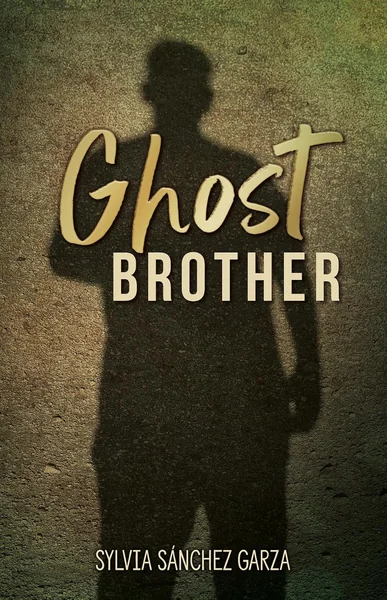
Ghost Brother
by Sylvia Sánchez Garza
LuvemBooks Verdict
Best for: Teens 12 and up — and the classrooms and libraries serving them — who are ready for an emotionally heavy but culturally grounded story about grief, bullying, and anti-Mexican discrimination in South Texas, told through the alternating voices of two brothers, one living and one dead.
Worth it? Skip it? Read the full verdict →Ask LuvemBooks
Was this helpful?
- Is it worth reading?
- For the right reader, yes. The strongest early reception centers on the emotional core: one reviewer called Garza's portrayal of grief and healing the place where her writing shines most, and The Wishing Shelf described being "100% absorbed," praising the small cast, the cleverly plotted mystery, and the South Texas small-town setting. The caveat is fit — the book opens with two deaths and stays in the aftermath, and its blend of ghost story, murder mystery, and grief drama lands hardest for readers open to all three modes at once.
- Similar books
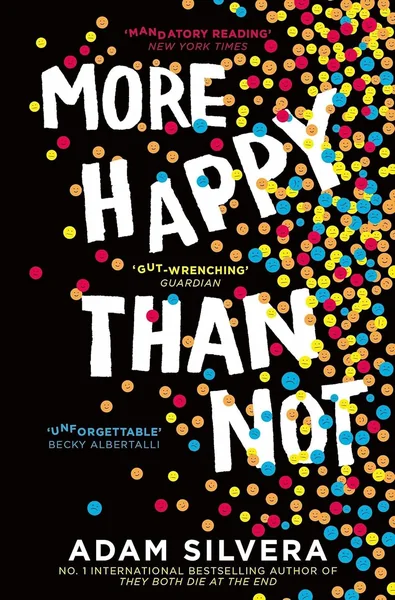
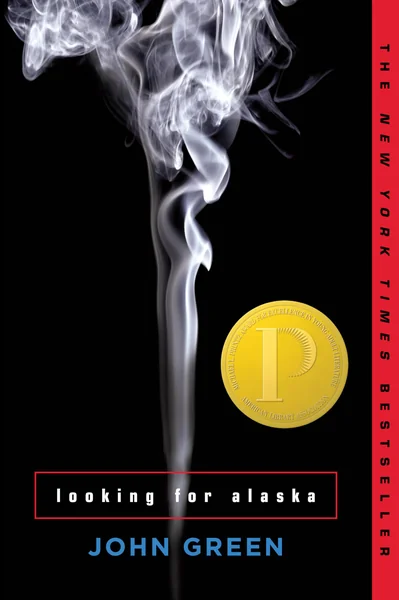
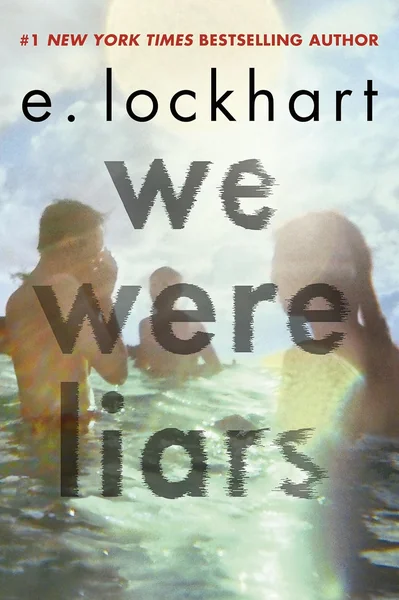
- Readers drawn to culturally rooted Latino YA about identity and family should look at Erika L. Sánchez's I Am Not Your Perfect Mexican Daughter and Benjamin Alire Sáenz's Aristotle and Dante Discover the Secrets of the Universe. For the grief-and-guilt side of Ghost Brother, Adam Silvera's More Happy Than Not and John Green's Looking for Alaska explore teen loss and its aftermath, while E. Lockhart's We Were Liars offers another unreliable, tragedy-soaked YA mystery with a supernatural-adjacent atmosphere.
- Who should read this?
- Its clearest audience is teens — and the adults who teach or parent them — who appreciate emotionally honest fiction with cultural depth and a touch of the supernatural. It is a natural fit for classroom and library contexts where bullying, grief, and anti-Mexican discrimination are live topics of discussion, and for readers drawn to stories about family bonds, healing, and the threads connecting the living and the dead. Readers seeking lighter supernatural fare or a straightforward whodunit should look elsewhere.
- What age is it for?
- Best for ages 12 and up — the publisher, Piñata Books, lists it for grades 7 through 9. The reason for the floor is content weight: the book opens with the deaths of two people, including a teenager, and then stays inside the aftermath — survivor's guilt, a mother's devastation, bullying, and racial discrimination — for its entire length. Parents or educators selecting for sensitive readers at the young end of that band should know the emotional register runs dark throughout.
- Is it a good book club pick?
- Yes — it is one of the book's strongest fits. The review identifies it as a natural choice for classroom and library contexts where bullying, grief, and anti-Mexican discrimination are live topics, and the dual narration between Cris and Carlos's ghost gives groups a built-in structural question to discuss. The compact 182-page length also makes it practical for clubs and classrooms that need a manageable read.
- How heavy is the content?
- Very heavy in its opening and sustained throughout. The novel opens with the deaths of two people, including the teenage Carlos, and then stays inside the aftermath — Cris's survivor's guilt, his mother's devastation, bullying, and racial discrimination — for its entire length. The review is explicit that the emotional register runs dark throughout, though Cris's journey from despair to acceptance gives the sadness a redemptive shape that early reviewers found heart-wrenching and uplifting rather than merely bleak.
Summarize this book
Follow up
Synthesized from verified book data & published reviews · How we review
Press Enter to ask. Answers come from our editorial Q&A — start typing to see related questions.
Age & Reading Level
Recommended age
Ages 12–18
Reading level
Young adult
4 content notes · who it suits
Content to know about
Best for: Ages 12+ — publisher lists grades 7–9; the novel opens with two deaths, including a teenager, and stays in the aftermath of grief, bullying, and discrimination throughout
Skip if you want strict realism or a straightforward whodunit — a dead brother narrates half the chapters, and the grief drama outweighs the mystery
Editorial Review
Sylvia Sánchez Garza's YA novel Ghost Brother (Piñata Books) follows twin brothers Carlos and Cris after a bullying-driven car crash kills Carlos — the survivor and the ghost narrate in alternating voices. A compact, culturally rooted South Texas story of grief, guilt, and healing.
Read the Full ReviewBooks like Ghost Brother
Curated picks for readers who enjoyed Ghost Brother, with our reasoning for each match.
If you liked Ghost Brother