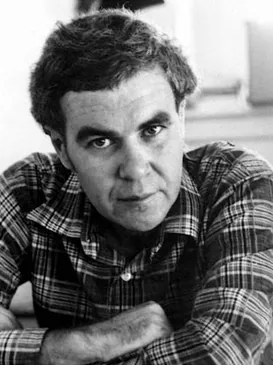
Raymond Carver
2
Books ReviewedAsk LuvemBooks about Raymond Carver
- Where should I start?
- Cathedral is the strongest entry point for most readers. Its stories are slightly more open-ended and emotionally accessible than his earlier work, and the title story — in which a man's prejudice quietly dissolves during an unexpected encounter — gives a clear, immediate sense of what Carver does at his best. It carries a reader rating of 4.5/5 from nearly 1,200 Amazon ratings, making it one of his most consistently praised collections.
- What's their writing style?
- Carver writes in a stripped-back, minimalist prose style often associated with the 'less is more' school of American realism — short sentences, plain dialogue, and conspicuous silences that do much of the narrative work. His stories tend to center on working-class characters caught in moments of domestic tension or personal impasse, and he rarely resolves those tensions cleanly. The effect is unsettling in a quiet way: you finish a story feeling like something important just happened, even if nothing dramatic did.
- Books we've reviewed
- We've reviewed two of Carver's collections on LuvemBooks. Cathedral (4.5/5 from 1,195 Amazon ratings) is his most celebrated work, gathering stories that balance bleakness with flickers of human connection. What We Talk About When We Talk About Love (4.3/5 from 3,092 Amazon ratings) is his starker, earlier collection and the book that made his minimalist style famous.
- How do his books compare?
- Both collections work in the same minimalist register, but they have a different emotional temperature. What We Talk About When We Talk About Love is the more severe of the two — its stories are famously compressed, and Carver (with significant editorial input from Gordon Lish) cuts away almost everything except the raw nerve. Cathedral, written a few years later, pulls back from that extreme and allows his characters slightly more interiority and, occasionally, something closer to hope. Readers new to Carver often find Cathedral more immediately rewarding, while those who want his style at its most uncompromising tend to return to What We Talk About.
- What genre does Raymond Carver write?
- Carver writes literary fiction, and more specifically short stories — all of his best-known work is in that form. His stories fall into the tradition of American realism, and are often categorized under 'minimalism' or 'Dirty Realism' for their spare style and working-class subject matter. If you're browsing by genre, look for him under literary fiction or short story collections.
- What should I read after Cathedral?
- The natural next step is What We Talk About When We Talk About Love, Carver's earlier and more austere collection, which shows where his minimalist style was sharpest and most uncompromising. If you've already read both, authors like Tobias Wolff, Richard Ford, and Denis Johnson work in a similar vein and are frequently recommended alongside Carver.
Who is Raymond Carver?
Follow up
Synthesized from verified book data & published reviews · How we review
Press Enter to ask. Answers come from our editorial Q&A — start typing to see related questions.
Cathedral by Raymond Carver
4.5/5
Raymond Carver's Cathedral is a short story collection widely regarded as one of the defining achievements in American short fiction — a finalist for the 1984 Pulitzer Prize for Fiction and the work in which Carver's signature minimalism opened into something warmer and more expansive. The Vintage reissue keeps this essential collection in print and in reach of new generations of readers.
Reviewed Feb 10, 2026
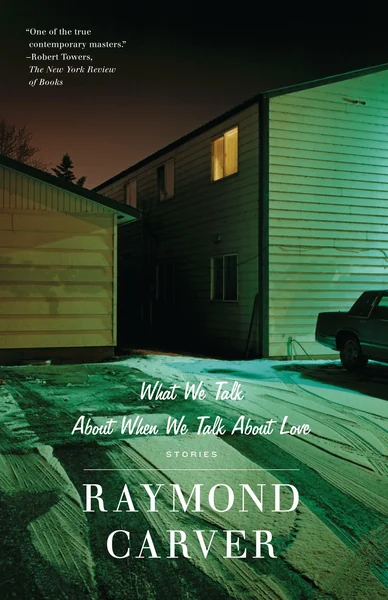
What We Talk About When We Talk About Love: Stories by Raymond Carver
4.3/5
Raymond Carver's short story collection What We Talk About When We Talk About Love is widely regarded as one of the most significant works in American short fiction, a spare and unsparing examination of love, loss, and the quiet devastation of ordinary life — the collection that, as Wikipedia's reception summary notes, turned Carver into a household name in the publishing industry.
Reviewed Feb 24, 2026
Authors Like Raymond Carver
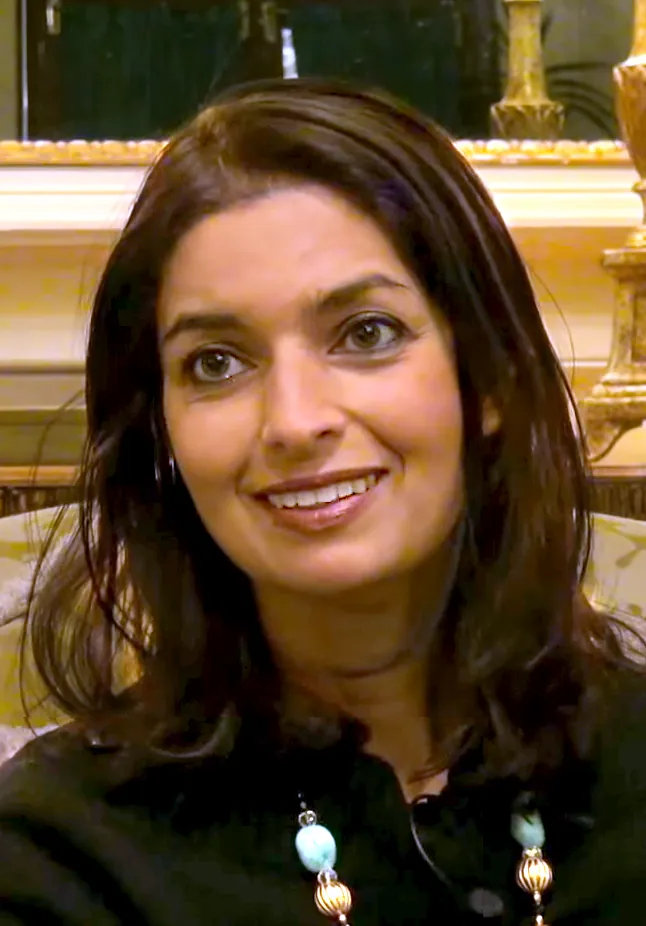
Jhumpa Lahiri
Nilanjana Sudeshna "Jhumpa" Lahiri is a British-American author known for her short stories, novels, and essays in English and, more recently, in Italian..
1 book reviewed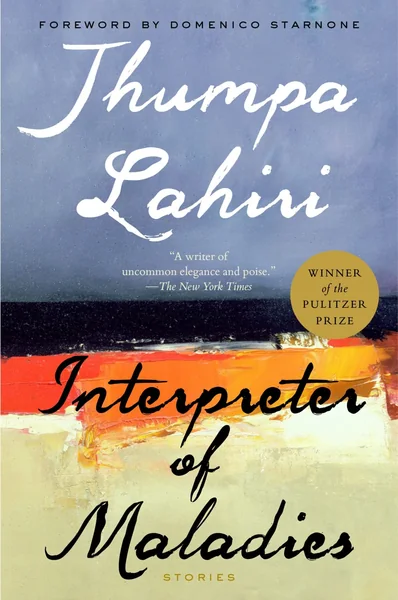
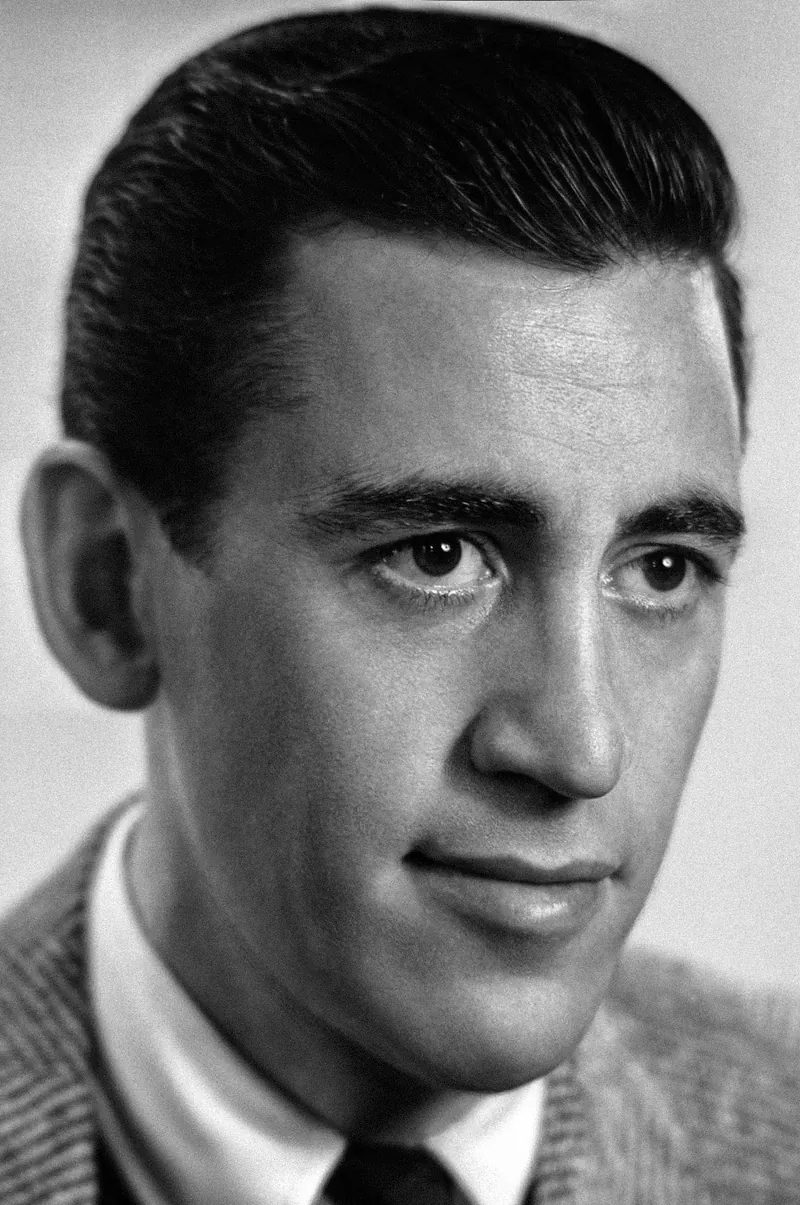
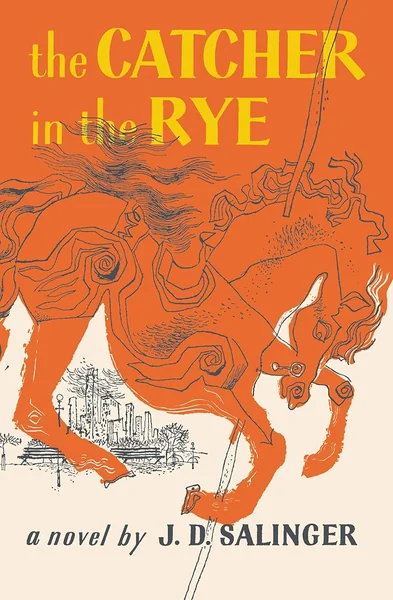
J. D. Salinger
Jerome David Salinger was an American author best known for his 1951 novel The Catcher in the Rye.
2 books reviewed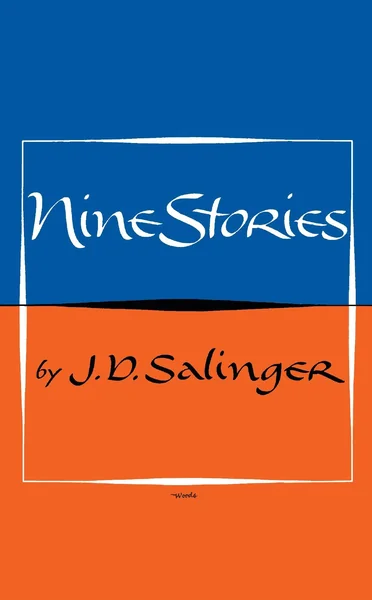
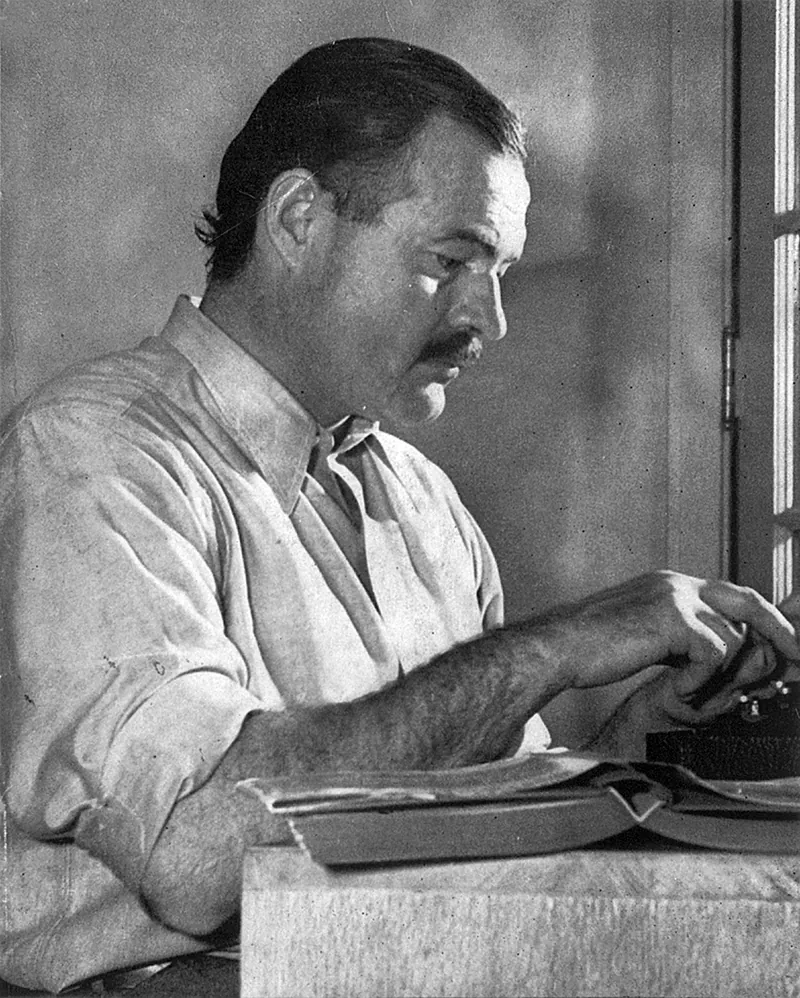
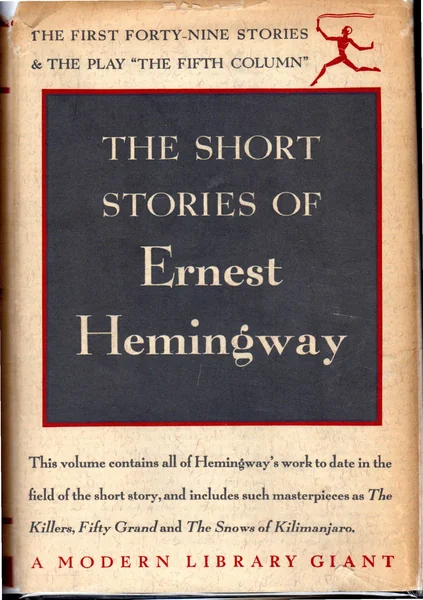
Ernest Hemingway
Born in Oak Park, Illinois in 1899, **Ernest Hemingway** became one of America's most celebrated and influential writers, transforming both literature and the public's perception of what it meant to be an author.
2 books reviewed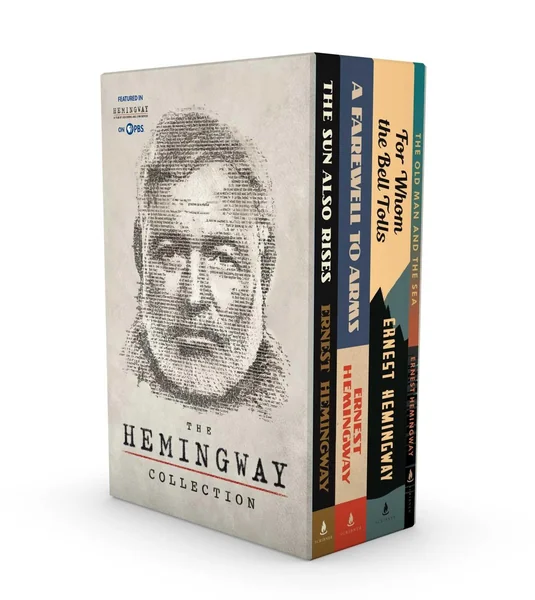

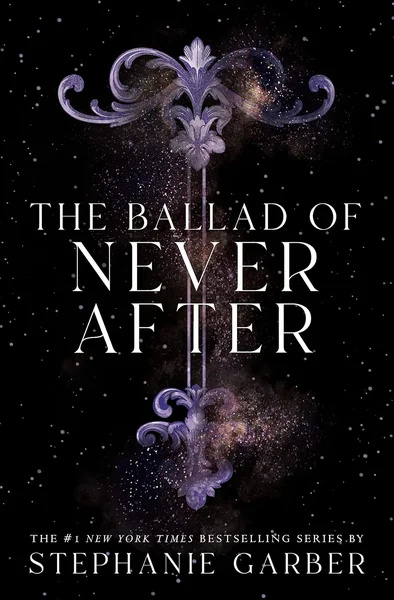
Stephanie Garber
Stephanie Garber is an American author of young adult fiction known for the Caraval and Once Upon a Broken Heart which were interconnected trilogies..
2 books reviewed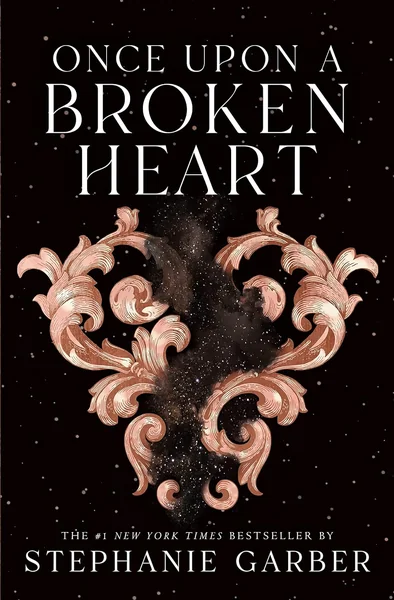
R. J. Palacio
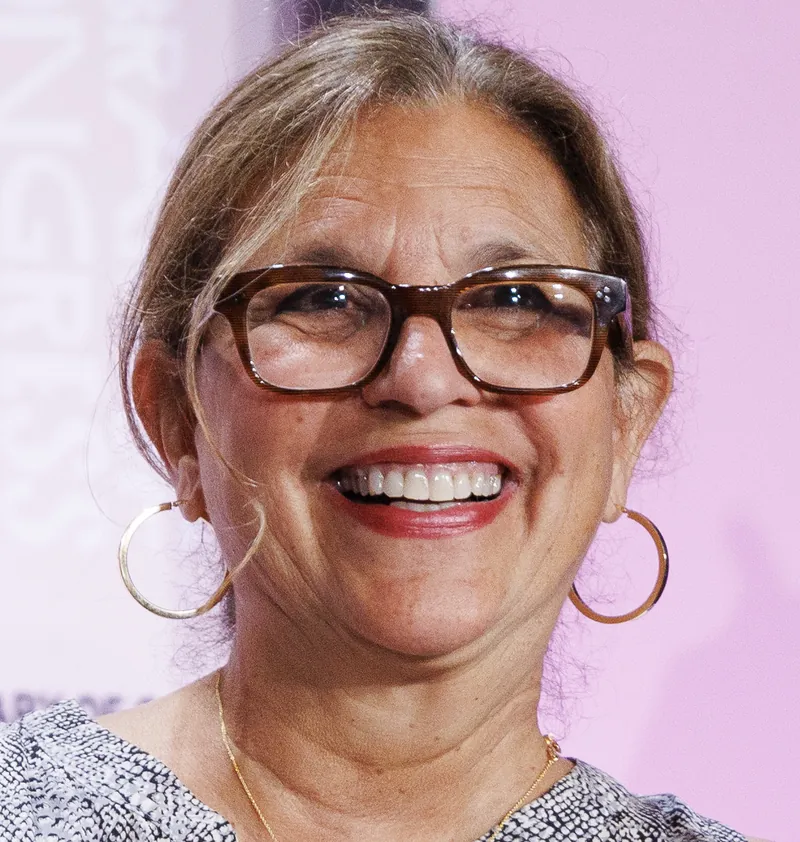
Raquel Jaramillo Palacio is an American author and graphic designer.
2 books reviewed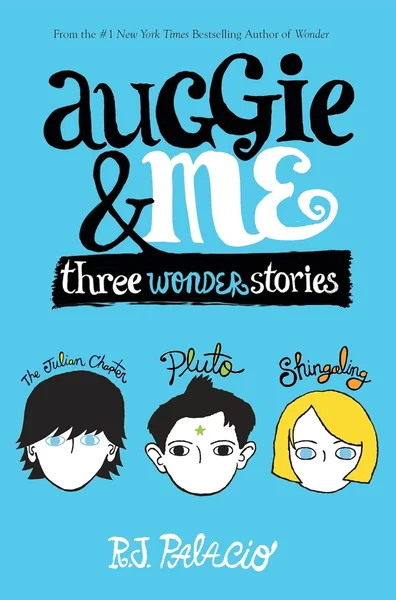

Gail Honeyman
Gail Honeyman is a Scottish writer whose debut novel, Eleanor Oliphant Is Completely Fine, won the 2017 Costa First Novel Award..
1 book reviewed