Skip to content
Reviewed

Read Time

6 min read

Our age bandAdult
Reader rating
4.5 · 14,398 Amazon ratings, as of Nov 2026
reader ratings, not a LuvemBooks score
Curated & edited by

LuvemBooks Editorial

How we create our reviews →
Share This Review
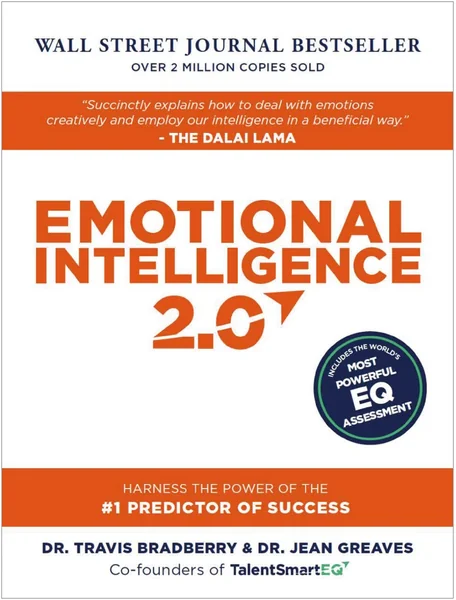
Emotional Intelligence 2.0 by Dr Travis Bradberry, Dr Jean Greaves Dr front cover

Our review

Emotional Intelligence 2.0 by Travis Bradberry and Jean Greaves

Emotional Intelligence 2.0 Review: Practical Strategies for Success (Bradberry & Greaves)

by Dr Travis Bradberry, Dr Jean Greaves Dr

Written by Dr. Travis Bradberry and Dr. Jean Greaves, this self-help guide distills emotional intelligence into 66 concrete behavioral strategies rather than abstract theory. Originally published in 2009 and recently released in hardcover, it remains a foundational text for professionals aiming to improve their interpersonal skills.
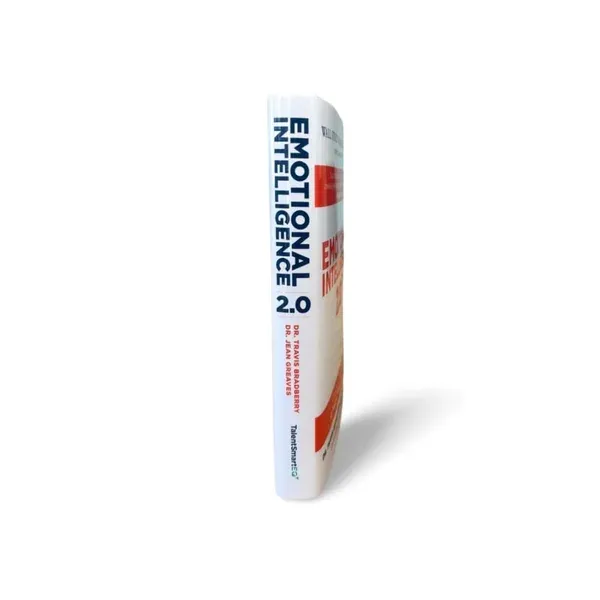
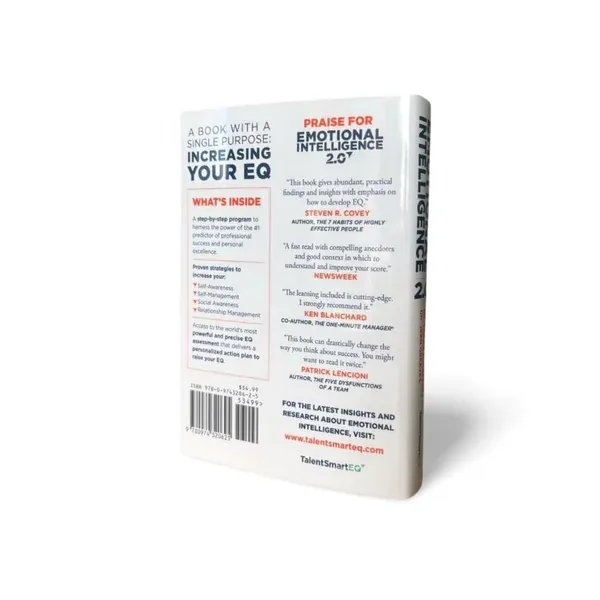
Spine of a white hardcover book with the title and author names printed vertically in blue and red text.Back cover with synopsis, praise quotes, and barcode for a book on increasing emotional intelligence.Tap to enlarge
Our age band: Adult

LuvemBooks Verdict

Best for

Readers who are professionals aiming to improve their interpersonal skills will find this guide excels at distilling emotional intelligence into 66 concrete behavioral strategies.

Worth it if

Worth reading if you want tracking tools to build stronger professional relationships.

Skip if

Skip it if you require the most current neuroscience or clinical psychological frameworks for personal growth.

Where reviewers agree and split

Readers rate it 4.5 on Amazon. The reviews we read that discuss it in depth split on some points:

  • Positive

    The Invisible Mentor · Book blog: recommends the book as a great read for success

  • Mixed

    Renminds · Book blog: practical but oversimplifies deeper emotional complexities

  • Positive

    Kim Tasso · Book blog: highlights practical advantages and online assessment

    Overall verdicts are our summary of each review we read, from its headline, rating and conclusion.

    The Invisible Mentor praises its practical, step-by-step strategies and included assessment tools, while Renminds notes that its formulaic approach oversimplifies the deeper complexities of human emotion.

    Sources: The Invisible Mentor, Renminds, Kim Tasso
    4.5from 14,398 Amazon ratings, as of Nov 2026— reader ratings, not a LuvemBooks score

    Preview the book

    Emotional Intelligence 2.0 by Dr Travis Bradberry, Dr Jean Greaves Dr front cover
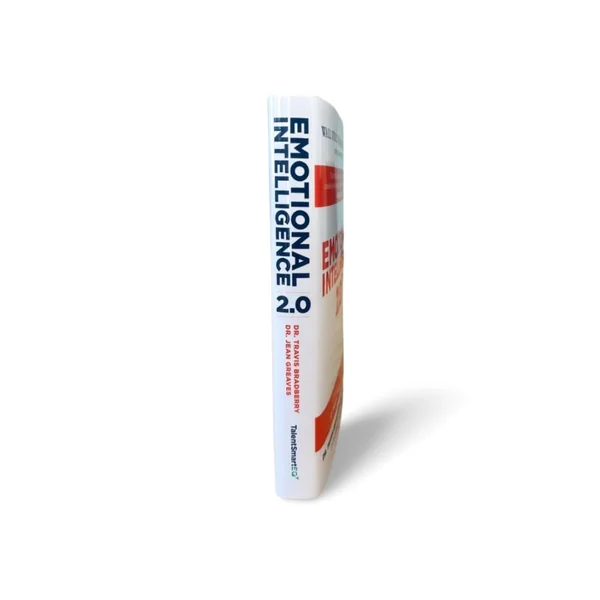
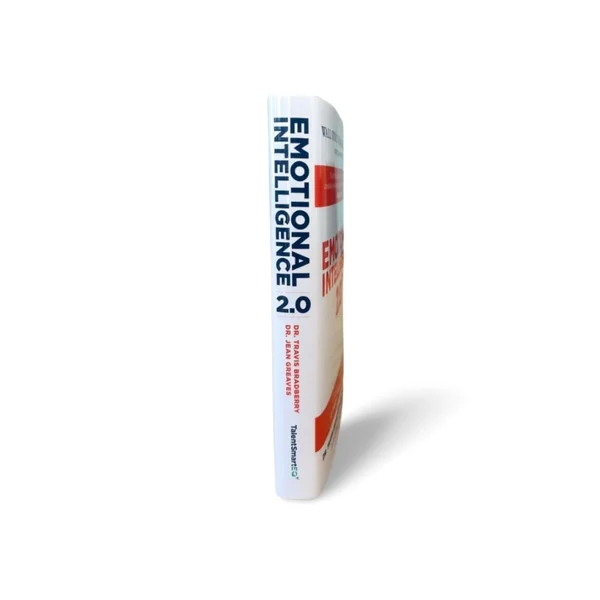
    Spine of a white hardcover book with the title and author names printed vertically in blue and red text.
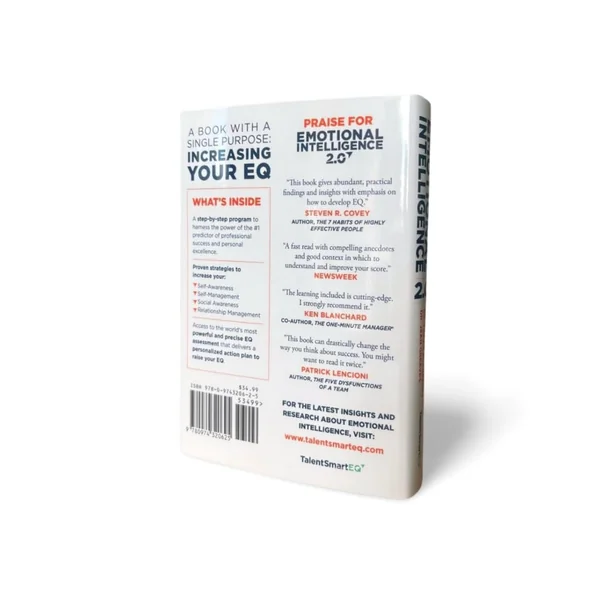
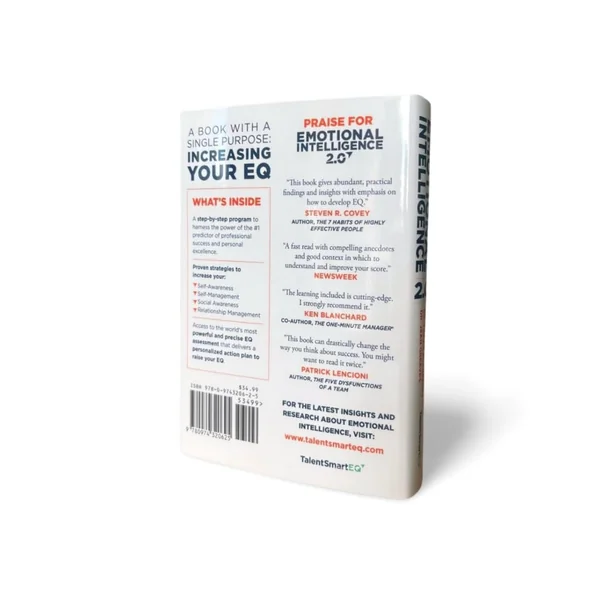
    Back cover with synopsis, praise quotes, and barcode for a book on increasing emotional intelligence.

    Ask LuvemBooks

    Was this helpful?

    Emotional Intelligence 2.0 distills the complex concept of emotional intelligence into 66 concrete, step-by-step approaches rather than abstract psychological theory. The guide excels as a functional manual for professionals aiming to strengthen workplace performance. Readers seeking well-being frameworks should look elsewhere, as the material relies on 2009 psychological foundations.
    Is it worth reading?
    It is highly recommended for professionals seeking immediate, actionable advice on career advancement. The book succeeds as a practical starter kit, offering step-by-step frameworks that avoid dense academic prose. However, those requiring modern therapeutic frameworks may find the material dated and overly focused on corporate performance metrics.
    Similar books
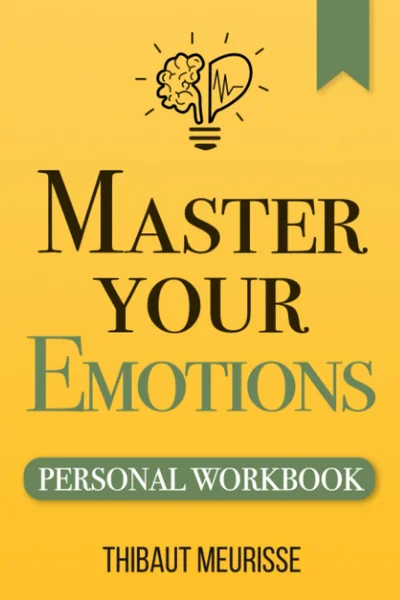
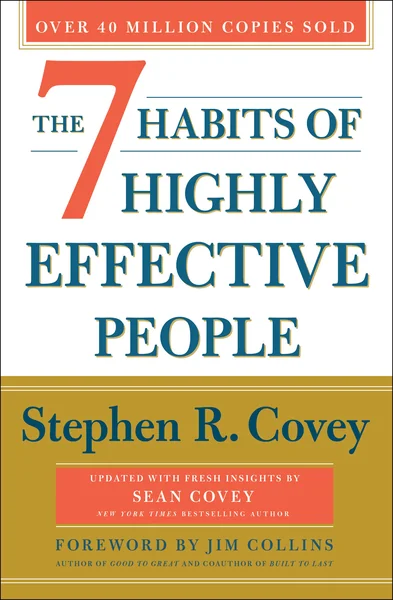
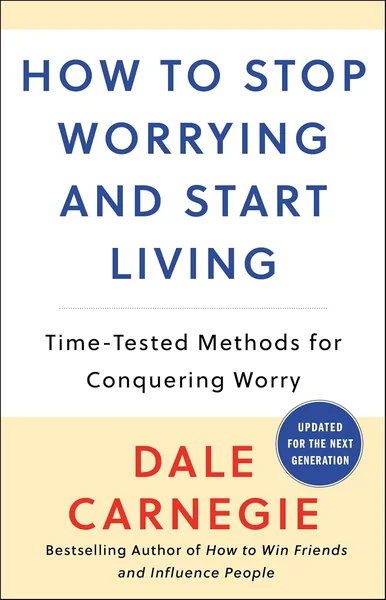
    Readers looking for complementary guides on interpersonal dynamics and self-improvement might also enjoy Daring Greatly by Brené Brown, which explores vulnerability in professional and personal contexts. Master Your Emotions by Thibaut Meurisse offers a more concise approach to emotional regulation, while The 7 Habits of Highly Effective People by Stephen R. Covey provides a broader framework for personal and professional effectiveness. For those interested in managing daily stress and interpersonal friction, How to Stop Worrying and Start Living by Dale Carnegie remains a classic reference.
    Who should read this?
    This guide is specifically written for professionals and managers who want actionable advice to enhance interpersonal dynamics. It suits readers who prefer practical exercises over theoretical concepts. The material is less suited for those seeking therapeutic insights.
    What age is it for?
    The book is written for adults, with a reading level suited for mature readers due to its professional focus and abstract psychological concepts. Its focus on corporate dynamics makes it most relevant for working professionals and college students entering the workforce.
    Is the science up to date?
    The framework is grounded in 2009 psychological research, meaning it lacks modern neuroscience updates that have emerged in the last decade. Reviewers note that while the core strategies remain effective for daily application, it serves as a foundational overview rather than a definitive guide to current emotional regulation science.
    Does it focus on personal growth or workplace performance?
    The authors' commercial background heavily influences the book's orientation, making the strategies explicitly business-focused. While the skills naturally translate to personal life, the guide prioritizes professional relationship building and conflict management over internal emotional well-being.
    Summarize this book

    Summarize this book

    The book operates as a structured manual that breaks down emotional intelligence into core skills: self-management, social awareness, and relationship management. It translates these concepts into 66 actionable strategies, such as pausing before reacting and practicing empathetic listening, alongside practical tracking tools like the Intelligence Action Plan. The authors explicitly design the tactics to improve workplace dynamics.

    Follow up

    What is the main takeaway?
    What practical tools does it include?

    Synthesized from verified book data & published reviews · How we review

    Ask LuvemBooks

    What would you like to know about Emotional Intelligence 2.0 by Travis Bradberry and Jean Greaves?

    Answers come from our editorial notes on this book. If we haven't covered something, we'll say so.

    Readers often ask

    Our Review

    We review the evidence: reader verdicts, gathered and weighed with AI assistance and edited by LuvemBooks, rather than one reader's first-hand take.

    Emotional Intelligence 2.0 offers a structured, strategy-driven approach to workplace and personal development, though readers seeking the latest psychological research may find its foundational science dated.

    The Premise and Structure

    Emotional Intelligence 2.0 operates as a functional manual rather than a theoretical exploration. The authors structure the text around six core emotional intelligence skills: self-awareness, self-management, social awareness, and relationship management, which are broken down into 66 specific strategies.
    The book includes tools like an "Intelligence Action Plan" chart and an "Emotion vs. Reason List" designed to help readers identify behavioral patterns and track progress. While the original edition dates to 2009, a newly released hardcover edition from Talentsmart makes the material available in a physical format for contemporary readers.
    The design prioritizes immediate application over academic debate.

    Why It Matters

    The text gained prominence for translating the abstract concept of emotional intelligence into actionable workplace tactics. The book blogger behind The Invisible Mentor compares Emotional Intelligence 2.0 to Daniel Goleman’s foundational work, noting that both are frequently cited as essential texts for understanding how to navigate professional and personal dynamics.
    The authors' commercial background is relevant here. This connection means the strategies are explicitly designed to improve workplace performance rather than purely personal well-being.
    Spine of a white hardcover book with the title and author names printed vertically in blue and red text.
    Spine of a white hardcover book with the title and author names printed vertically in blue and red text.

    Strengths and Practical Tools

    Unlike many psychology books that explain the "what" without the "how," Emotional Intelligence 2.0 provides concrete behavioral strategies. The guide is designed for readers who prefer step-by-step frameworks over dense academic prose.
    By focusing on practical habits like leading by example and modeling skilled behavior, the book aims to help readers build stronger professional relationships and manage conflict effectively. The strategies are written with clear, directive language that avoids ambiguity.

    Limitations and Context

    The book's primary constraint is its age. As noted by reviewers, Emotional Intelligence 2.0 is a 2009 publication built on the psychological understanding of that era.
    Readers seeking the most current neuroscience or modern therapeutic frameworks may find the material lacks the depth of newer works in the field. Additionally, the commercial ties between the authors and TalentSmart mean the strategies are heavily optimized for corporate environments and performance metrics.
    Professionals looking for purely personal growth or clinical psychological insights might find the focus too narrowly aligned with workplace productivity. The text functions best as a foundational overview rather than a definitive guide.
    Back cover with synopsis, praise quotes, and barcode for a book on increasing emotional intelligence.
    Back cover with synopsis, praise quotes, and barcode for a book on increasing emotional intelligence.

    Is Emotional Intelligence 2.0 Worth Reading?

    The reception of the book points to a clear divide based on reader intent. It succeeds as a practical starter kit for professionals who want immediate, actionable advice on improving their interpersonal skills.
    The strategies around self-awareness and managing frustration are widely regarded as genuinely useful habits for daily application. However, the text functions best as an introductory guide rather than a comprehensive academic resource.
    Readers who want to go deeper into emotional regulation may need to supplement it with more recent psychological literature. The book remains a valuable starting point for those new to the concept of emotional intelligence.

    Sources & Further Reading

    The key facts and claims in this review are grounded in the retrieved, verified sources listed below.

    1. Cited in this review
    2. 1
    3. Further reading
    4. 2
    5. 3
    6. 4

      renminds.org

    7. 5

      kimtasso.com

    Age & Reading Level

    Our age band

    Adult

    Our age band groups books for browsing; it isn't an age a review gave.

    From our readers

    Reader reviews

    No LuvemBooks readers have answered yet.

    Read it? Was it right for you?

    Books like Emotional Intelligence 2.0 by Travis Bradberry and Jean Greaves
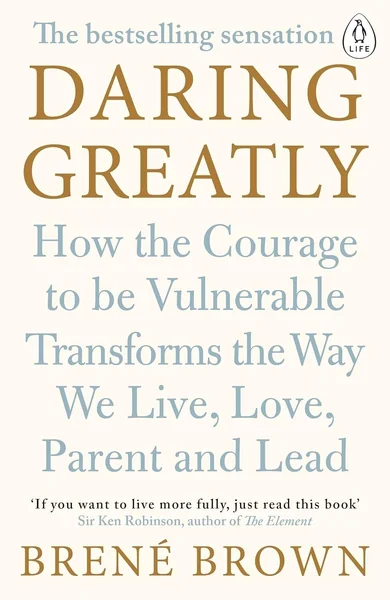
    Curated picks for readers who enjoyed Emotional Intelligence 2.0 by Travis Bradberry and Jean Greaves, with our reasoning for each match.

    Discussion

    Reader comments