At a glance
About the Author
Anderthal Kord1 book reviewed
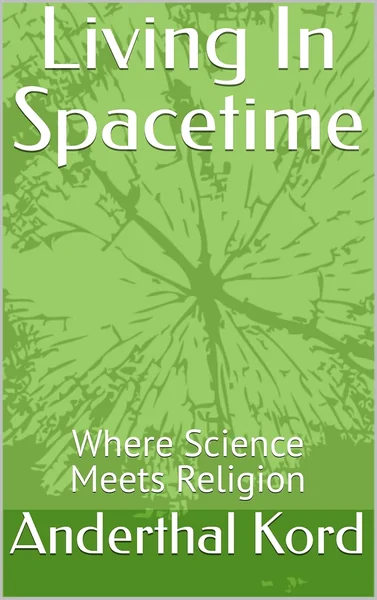
Living In Spacetime
Where Science Meets Religion
by Anderthal Kord
LuvemBooks Verdict
Best for: Curious readers aged roughly 9–18 — and the families, students, or discussion groups around them — who want a single compact volume that opens the science-faith conversation as a synthesis rather than a battle.
Worth it? Skip it? Read the full verdict →Ask LuvemBooks
Was this helpful?
- Is it worth reading?
- For its intended audience, yes — the review calls it a coherent on-ramp to the science-faith conversation, and its 9–18 reading age fills a genuine niche most titles in the genre ignore. Kindle accessibility features like Word Wise, screen reader support, enhanced typesetting, and Page Flip strengthen its case for developing readers. The caveat is depth: a 242-page treatment cannot plumb the physics, theology, and philosophy the subject spans, and readers wanting a rigorous scientific account or a doctrinally committed religious one may find the middle-ground framing less satisfying.
- Similar books
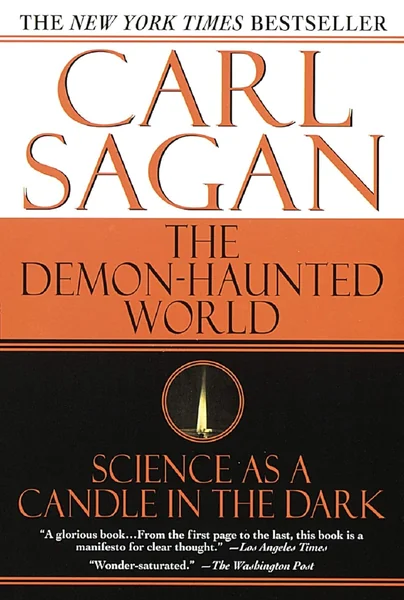
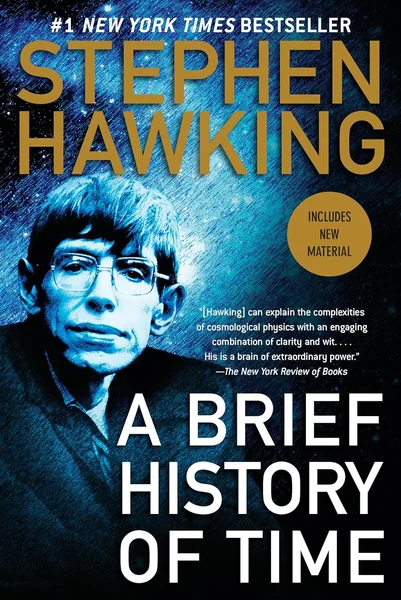
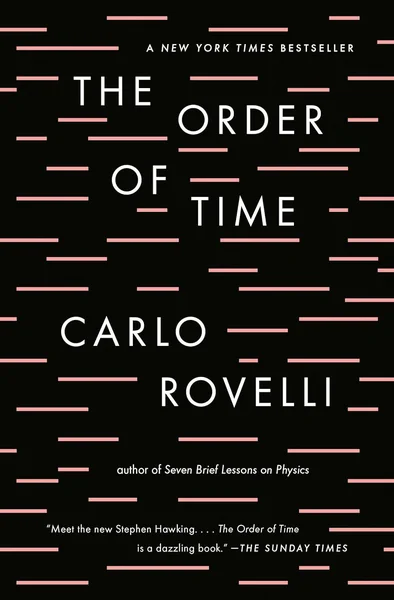
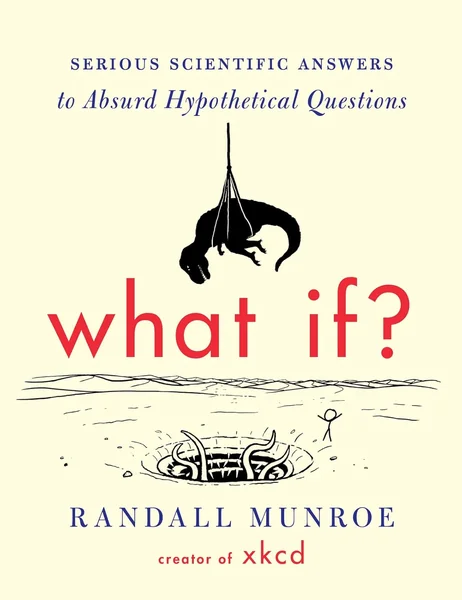
- Readers drawn to the science-and-meaning question have several natural next steps. Carl Sagan's The Demon-Haunted World: Science as a Candle in the Dark makes the case for scientific skepticism as a way of thinking, while Stephen Hawking's A Brief History of Time and Carlo Rovelli's The Order of Time offer the deeper cosmology this book's title gestures toward. Francis S. Collins's The Language of God is the best-known adult-level attempt at science-faith reconciliation, and Randall Munroe's What If? suits younger readers who enjoy big questions asked playfully.
- Who should read this?
- The review identifies curious younger readers, families, and discussion groups as the core audience — specifically readers who have encountered the claim that science and religion must conflict and want a structured counter-perspective at an accessible reading level. It also fits the broader readership that accepts scientific method yet resists the conclusion that the universe is stripped of meaning. It is a poor match for readers seeking advanced cosmology, formal theology, or a definitive adjudication of the debate.
- What age is it for?
- Best for ages 9 and up. The edition's stated reading age is 9 to 18, and the floor reflects comprehension rather than flagged content: the book engages abstract ideas from cosmology and philosophy of religion across 242 pages, which suits confident middle-grade readers and older. Word Wise support in the Kindle edition helps younger readers handle difficult vocabulary.
- Is it a good book club pick?
- Yes, with the right framing. The review explicitly recommends it for discussion groups because its design intent is to open the science-faith conversation rather than close it — the synthesis framing gives members with different perspectives common ground to argue from. At 242 pages it is a manageable group read. Groups should know, however, that it supplies an invitation to the debate rather than deep material on any one side, so pairing it with a committed work from either camp would enrich the discussion.
- Is it available in print?
- No print format is indicated. The book is listed as a Kindle edition — a 1.1 MB file with enhanced typesetting, Page Flip, screen reader support, and Word Wise enabled — and the review flags the absence of a physical edition as a limitation for readers who prefer print.
- Is it suitable for classrooms or homeschool?
- It works well in that role. The review notes the book gives students and families a structured starting point for discussions that school curricula often sidestep, and its synthesis framing — rather than a sectarian argument — makes it usable across mixed worldviews. The 9–18 reading band, Word Wise vocabulary support, and compact length all suit classroom or homeschool use; educators should simply treat it as an introductory conversation-starter rather than a substitute for physics or theology instruction.
Summarize this book
Follow up
Synthesized from verified book data & published reviews · How we review
Press Enter to ask. Answers come from our editorial Q&A — start typing to see related questions.
Age & Reading Level
Recommended age
Ages 8–12
Reading level
Middle grade
who it suits
Best for: Ages 9+ — the stated 9–18 reading band is a comprehension floor: abstract ideas about cosmology and faith, plus the length of the text, suit confident middle-grade readers and up.
Skip if you want a rigorous scientific account or a doctrinally committed religious argument rather than an introductory middle-ground synthesis.
Editorial Review
Living In Spacetime: Where Science Meets Religion by Anderthal Kord is a 242-page Kindle book (published May 27, 2023) that sets out to explore where scientific understanding and religious belief intersect. Pitched at readers aged 9–18, it offers an accessible entry point into one of humanity's oldest debates.
Read the Full ReviewBooks like Living In Spacetime
Curated picks for readers who enjoyed Living In Spacetime, with our reasoning for each match.
If you liked Living In Spacetime