10 min read
Share This Review
Our review
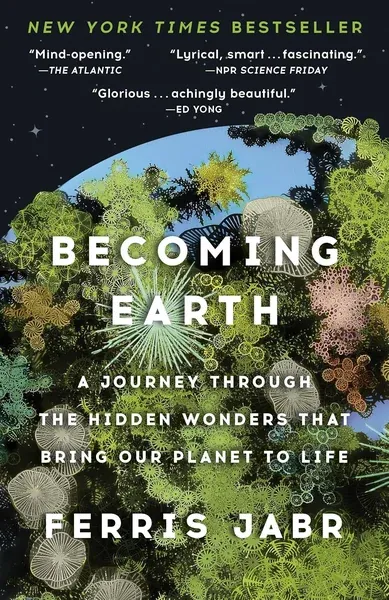
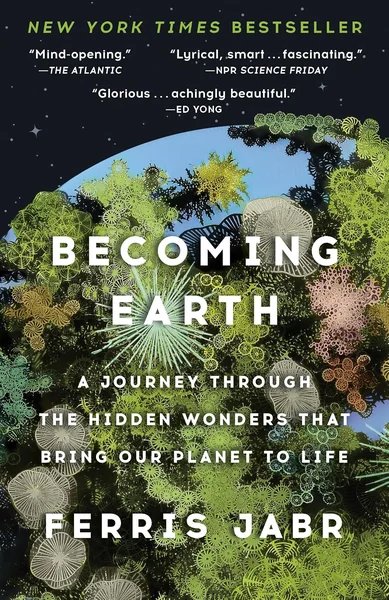
Becoming Earth
Becoming Earth by Ferris Jabr Review: A Living Planet Reimagined
Ferris Jabr traces the coevolution of life and the planet, arguing that Earth operates as a vast, interconnected living system. This widely acclaimed work reframes our environmental crisis through the lens of deep time and microbial ingenuity.
LuvemBooks Verdict
Best for
Readers seeking a sweeping, accessible synthesis will appreciate how the book transforms complex ecological data into a compelling narrative about Earth as a self-regulating system.
Worth it if
Worth reading if you want a vivid, scientifically grounded exploration of how life and the planet coevolved, rather than a manual for immediate climate activism.
Skip if
Skip it if you need specific, actionable policy solutions for climate change, as the book prioritizes broad geological and biological frameworks over detailed human intervention strategies.
Where reviewers agree and split
Readers rate it 4.5 on Amazon. The reviews we read that discuss it in depth agree:
- Positive
The Guardian · Press review: praises the book as a living, breathing miracle of science
- Positive
BookBrowse · Magazine: commends the author as exceptionally talented with a vivid account
- Positive
Tillamook County Pioneer · Book blog: enthusiastically recommends the book as great literature and a thriller
- Positive
Tillamook County Master Gardener Association · Book blog: recommends it as a perfect summer read for nature lovers
- Positive
Post and Courier · Book blog: highlights the poetic and scientific examination of Earth's life (from its headline)
What readers & critics say
The Guardian and BookBrowse both commend the author for successfully balancing rigorous scientific data with elegant metaphor, while also noting his sober treatment of the subject. Tillamook County Pioneer and the Post and Courier highlight the book's thriller-like pacing and its thoughtful engagement with the controversial but evolving Gaia hypothesis.
“garland hard data with lashings of anecdote and well-turned, elegant metaphor.”
— The GuardianAsk LuvemBooks
Was this helpful?
- Is it worth reading?
- Worth reading if you want a vivid, scientifically grounded exploration of how life and the planet coevolved, rather than a manual for immediate climate activism. The Guardian and BookBrowse praise its ability to balance rigorous data with poetic wonder, though readers seeking direct guidance may find the geological scope overwhelming.
- Similar books
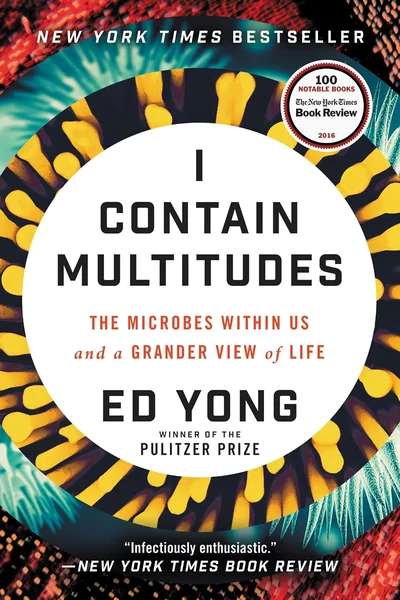
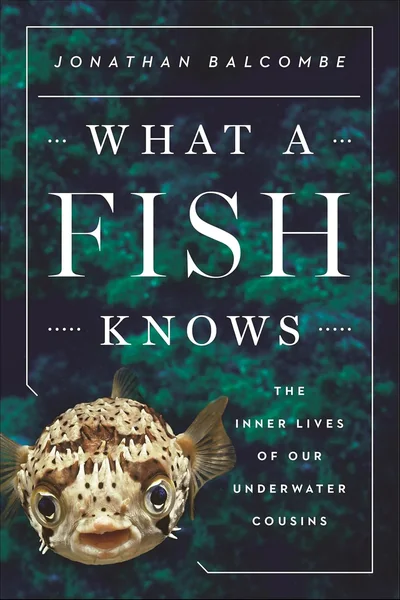
- For readers interested in the hidden biological networks that connect ecosystems, Ed Yong's I Contain Multitudes and Peter Wohlleben's The Hidden Life of Trees offer compelling dives into microbial and plant intelligence. Carl Sagan's The Demon-Haunted World provides a parallel framework for understanding Earth's place in the cosmos, while Jonathan Balcombe's What a Fish Knows explores the intricate ways aquatic life shapes its environment.
- Who should read this?
- Best for readers seeking a synthesis will appreciate how the book transforms complex data into a compelling narrative about Earth as a system. It particularly suits science enthusiasts, ecology students, and readers interested in the Gaia hypothesis who want to understand humanity's role in the biosphere.
- What age is it for?
- Written for adults. The text engages with complex systems and discusses extinction events and environmental shifts in stark terms, making it best suited for mature readers seeking a scientific synthesis.
- What are the main themes?
- The narrative centers on the coevolution of life and the planet, framing Earth as a dynamic organism driven by biological interactions. Key themes include the profound impact of underground organisms on geological shifts, the role of forests and plankton in atmospheric regulation, and humanity's position as an engine of planetary evolution rather than a separate entity.
- How is the writing style?
- Critics highlight Jabr's ability to balance sober scientific explanation with literary beauty, transforming abstract information into a narrative of profound urgency. BookBrowse and the Tillamook County Pioneer note that the prose reads like a thriller, weaving cutting-edge research, personal stories, and deep scientific theory into an exhilarating journey.
- Does it offer climate solutions?
- The book does not function as a guide for direct action, but rather outlines a constructive path forward through ecological restoration and rewilding. It profiles figures like Russian guide Sergey Zimov, who demonstrates how reintroducing giant animals can mitigate environmental shifts, and engineers growing kelp forests for carbon storage.
Summarize this book
Follow up
Synthesized from verified book data & published reviews · How we review
What would you like to know about Becoming Earth?
Answers come from our editorial notes on this book. If we haven't covered something, we'll say so.
Readers often ask
Our Review
We review the evidence: reader verdicts, gathered and weighed with AI assistance and edited by LuvemBooks, rather than one reader's first-hand take.
The Argument for a Planetary Organism
Navigating Rock, Water, and Air
Balancing Wonder with Ecological Crisis
Is Becoming Earth Worth Reading?
Sources & Further Reading
The key facts and claims in this review are grounded in the retrieved, verified sources listed below.
- Cited in this review
- 1
- Further reading
- 2
- 3
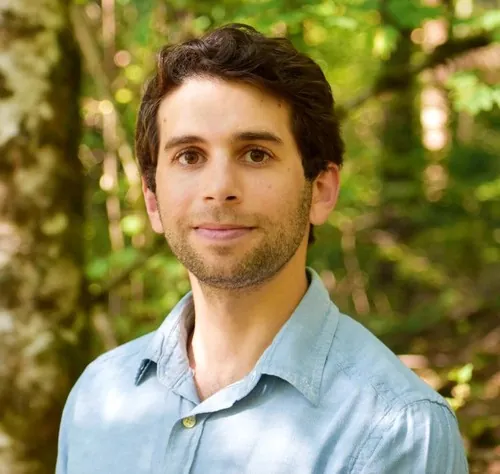
ferrisjabr.com
- 4
bookbrowse.com
- 5
- 6
- 7
tillamookmastergardeners.com
- 8
penguinrandomhouse.com
- 9
Age & Reading Level
Our age band
Adult
Our age band groups books for browsing; it isn't an age a review gave.
2 content notes · who it suits
Content to know about
Skip if you need specific, actionable policy solutions for climate change
Reader reviews
No LuvemBooks readers have answered yet.
Read it? Was it right for you?
Books like Becoming Earth
Curated picks for readers who enjoyed Becoming Earth, with our reasoning for each match.
If you liked Becoming Earth