8 min read
4.2
· 894 Amazon ratingsShare This Review

The Dark Psychology Playbook [9-in-1] by Roger Glenwood Review: A Dense Compendium on Influence and Defense
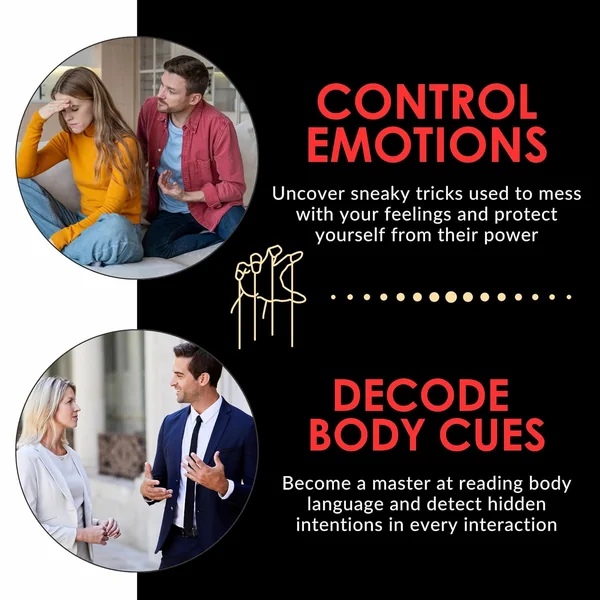
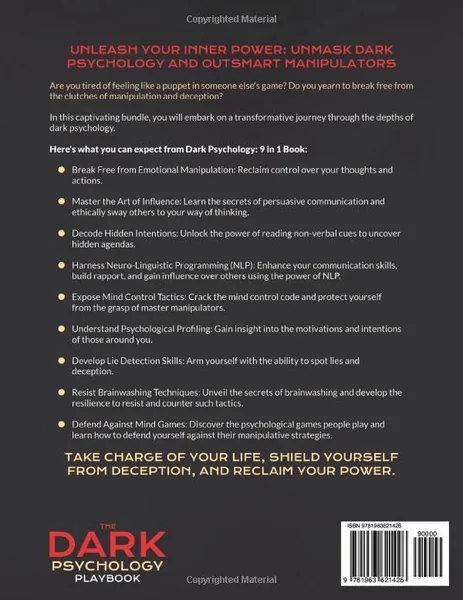
Roger Glenwood's The Dark Psychology Playbook [9-in-1]: 100+ Techniques of Influence and Manipulation Exposed is a wide-ranging self-help and psychology reference guide designed to expose covert manipulation tactics, cover persuasion principles, lie detection, NLP, mind control, and psychological profiling — positioning itself as both an offensive playbook and a defensive manual for readers who want to understand and resist undue influence. This review is based on published source descriptions and available reception; it does not represent hands-on use of the material.
![The Dark Psychology Playbook [9-in-1]: 100+ Techniques of Influence and Manipulation Exposed. A Powerful Guide to Brainwashing, Lie Detection, Mental Warfare, Mind Control, NLP, Persuasion, & More by Roger Glenwood front cover](https://cdn.luvembooks.com/media/images/The_Dark_Psychology_Playbook_9-.max-464x600.format-webp_Dyf50lH.webp "The Dark Psychology Playbook [9-in-1]: 100+ Techniques of Influence and Manipulation Exposed. A Powerful Guide to Brainwashing, Lie Detection, Mental Warfare, Mind Control, NLP, Persuasion, & More by Roger Glenwood front cover")

 Tap to enlarge
LuvemBooks Verdict
Best for
General readers who feel vulnerable to social or professional manipulation and want a single-volume, breadth-first orientation to dark psychology — covering NLP, lie detection, persuasion, and psychological profiling — without having to source multiple standalone titles.
Worth it if
The reader wants an encyclopedic survey of 100+ influence and manipulation techniques framed through a defensive, ethically-oriented lens, and values breadth of conceptual vocabulary over academic depth on any single topic.
Skip if
Readers who expect peer-reviewed sourcing, clinical precision, or rigorous in-depth treatment of any individual subject — such as the neuroscience of NLP or coercive control — will find the self-help register and aggregated 9-in-1 structure a poor fit.
Preview the book
![The Dark Psychology Playbook [9-in-1]: 100+ Techniques of Influence and Manipulation Exposed. A Powerful Guide to Brainwashing, Lie Detection, Mental Warfare, Mind Control, NLP, Persuasion, & More by Roger Glenwood front cover](https://cdn.luvembooks.com/birthdais/media/original_images/The_Dark_Psychology_Playbook_9-in-1_100_Techniques_of_Influence_and_Manip.webp)
Ask LuvemBooks
Was this helpful?
- Is it worth reading?
- For general readers who want a single-volume orientation to dark psychology — covering manipulation, NLP, persuasion, lie detection, and psychological profiling without having to source multiple standalone titles — The Dark Psychology Playbook delivers genuine value through its encyclopedic scope and explicit defensive framing. The ethical dimension Glenwood integrates, contrasting exploitative tactics with values-aligned persuasion, is a meaningful design choice in a genre that often sidesteps questions of misuse. However, readers expecting academic sourcing, peer-reviewed citations, or clinically rigorous depth on any one topic will likely find the self-help register and aggregated 9-in-1 structure a mismatch with their expectations. It rewards breadth-first learners; it will frustrate depth-first ones.
- Similar books
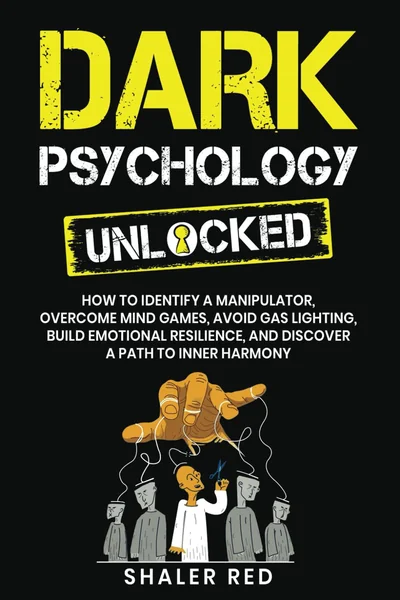
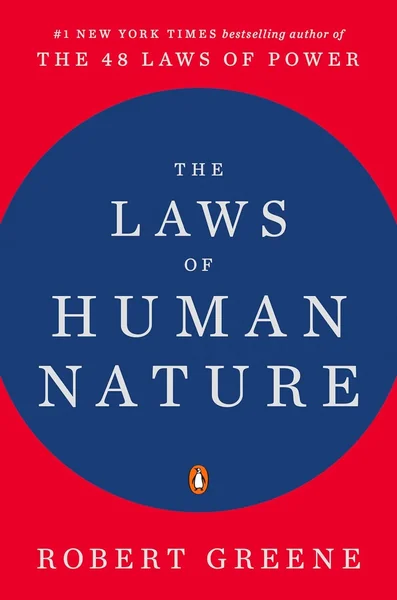
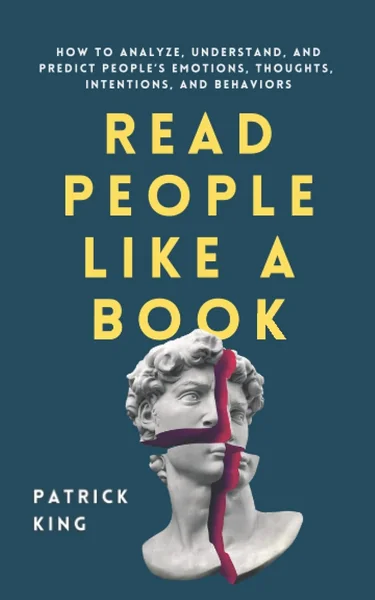
- Readers drawn to The Dark Psychology Playbook will find natural companions in the curated titles below. Shaler Red's Dark Psychology Unlocked: How to Identify a Manipulator, Overcome Mind Games covers similar territory with a sharper focus on recognizing manipulators. Robert Greene's The Laws of Human Nature offers a deeper, more historically grounded exploration of what drives human behavior and covert social dynamics. Patrick King's Read People Like a Book: How to Analyze, Understand targets the psychological profiling angle directly, while DK's The Psychology Book: Big Ideas Simply Explained provides broader academic context for the psychological concepts Glenwood surveys. For readers interested in the behavioral science underpinning persuasion, Charles Duhigg's The Power of Habit: Why We Do What We Do in Life and Business explores how habits and automatic responses make people susceptible to influence.
- Who should read this?
- The Dark Psychology Playbook is primarily designed for general readers who feel vulnerable to social or professional manipulation and want a broad conceptual toolkit for recognizing and resisting covert influence. The publisher frames it as a "transformative journey into the depths of the human mind," with an emphasis on self-discovery and empowerment alongside tactical knowledge. Professionals in sales, negotiation, or leadership who want a single-volume survey of influence techniques framed through an ethical lens are the secondary target audience. Readers already well-versed in psychology literature, or those expecting peer-reviewed sourcing, are specifically flagged as likely to find the self-help register and aggregated format a mismatch.
- What are the main themes?
- The book's core thematic tension is the dual mandate of offense and defense: teaching readers how manipulation and covert influence work while simultaneously arming them to resist it. Central themes include the psychology of persuasion, NLP, lie detection, psychological profiling, mind control awareness, and what the subtitle calls "mental warfare." A consistent ethical thread — drawn from the Shortform summary — runs throughout, contrasting exploitative manipulation with persuasion that aligns with personal values and emphasizing the reader's autonomy. The publisher frames the psychological profiling strand as being in service of legitimate personal and professional success rather than exploitation.
- Is the 9-in-1 format worth it?
- The bundled 9-in-1 format is both the book's primary selling point and its clearest structural trade-off. For readers who want broad coverage of dark psychology — NLP, lie detection, mind control awareness, psychological profiling, persuasion principles, and more — without sourcing multiple standalone titles, the consolidated format is a genuine asset. The trade-off is depth: compressing nine volumes into one means individual topics receive survey-level rather than rigorous treatment, and readers seeking in-depth coverage of any single subject will likely find the breadth comes at a cost. The format is explicitly purpose-built for breadth-first learners.
- What if I want to go deeper on one topic?
- Because the 9-in-1 format delivers survey-level breadth rather than depth on any single subject, readers who want rigorous treatment of a specific topic will need to supplement it. For deeper work on reading people and psychological profiling, Patrick King's Read People Like a Book is a focused companion. For a more extensively researched exploration of human nature and social dynamics, Robert Greene's The Laws of Human Nature goes considerably deeper. Readers whose primary interest is the behavioral science behind influence would benefit from Charles Duhigg's The Power of Habit as a research-grounded complement.
Summarize this book
Follow up
Synthesized from verified book data & published reviews · How we review
Press Enter to ask. Answers come from our editorial Q&A — start typing to see related questions.
Age & Reading Level
Recommended age
Adult
Reading level
Adult
2 content notes · who it suits
Content to know about
Skip if you want rigorous academic sourcing or clinical depth on any single psychology topic rather than a broad survey-level overview.
Our Review
What the Book Is and What It Covers

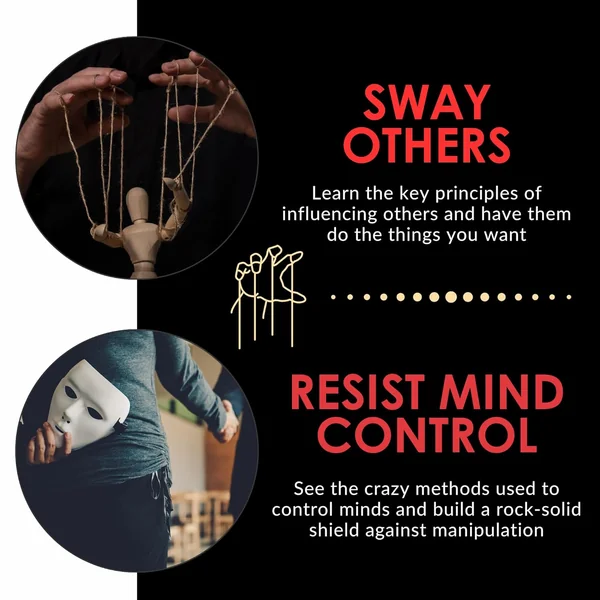
The Dual-Purpose Framework: Offense and Defense
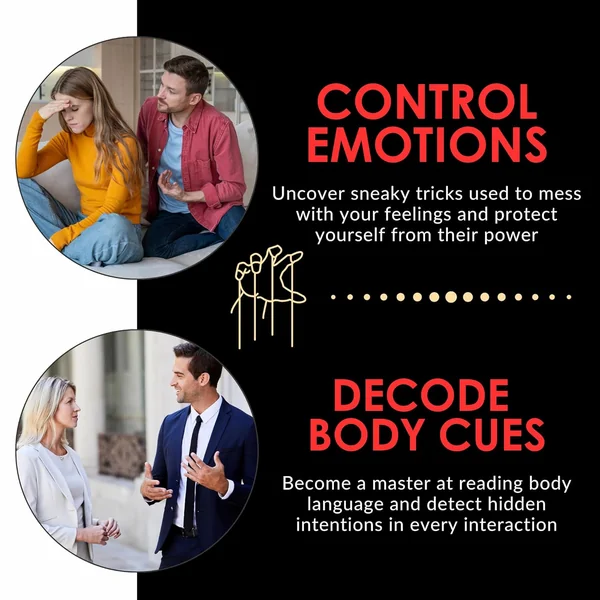
Ethical Grounding and Integrity as a Design Choice
Scope, Audience, and the 9-in-1 Format
Who This Book Is Genuinely For
Sources & Further Reading
The key facts and claims in this review are grounded in the retrieved, verified sources listed below.
- Cited in this review
- 1
- 2
- Further reading
- 3
pangobooks.com
Books like The Dark Psychology Playbook
Curated picks for readers who enjoyed The Dark Psychology Playbook, with our reasoning for each match.
If you liked The Dark Psychology Playbook