Skip to content
J

Jeffrey M. Schwartz

Jeffrey M. Schwartz (born 1951) earned a B.A. in philosophy with honors from the University of Rochester (1973) and an M.D. from Downstate Medical Center (1978). He is best known for authoring Brain Lock, which presents a four-step method for overcoming OCD now used in treatment centers worldwide. He also served as a consultant for the 2004 biographical film The Aviator.
Biographical details sourced from Wikipedia.
On LuvemBooks, we've reviewed Brain Lock, Twentieth Anniversary Edition.
1
Books Reviewed

In Jeffrey M. Schwartz's own words

Dr. Jeffrey Schwartz discusses his Four Steps method for OCD and cognitive therapy on Dr. W. Lee Warren's podcast.

Uploaded by Dr. Lee Warren, 2025 · Watch on YouTube ·

Critique of the pop mindfulness movement

Schwartz argues that popular mindfulness incorrectly equates mindfulness with merely being in the present moment. He asserts that being present is necessary but not sufficient, and that metacognition and discernment are the essential missing ingredients.

Debating Francis Crick on physicalism

Schwartz recounts having lunch debates with Francis Crick while at the Salk Institute, noting that Crick wanted to challenge him because Schwartz rejected the notion that the mind is merely physical brain activity.

Refocusing strengthens the prefrontal cortex

Schwartz explains that making willful, conscious decisions to redirect attention away from intrusive thoughts actively engages and strengthens the prefrontal cortex.

Scriptural origins of soul and psyche

Schwartz notes that the biblical concept of soul originates from the Greek 'psyche' and Hebrew 'nephesh,' meaning it inherently encompasses mind, self, and mental life rather than being limited to an abstract spiritual entity.

In order

Jeffrey M. Schwartz books in order

1 books; 1 reviewed on LuvemBooks. Dates and covers from Amazon.

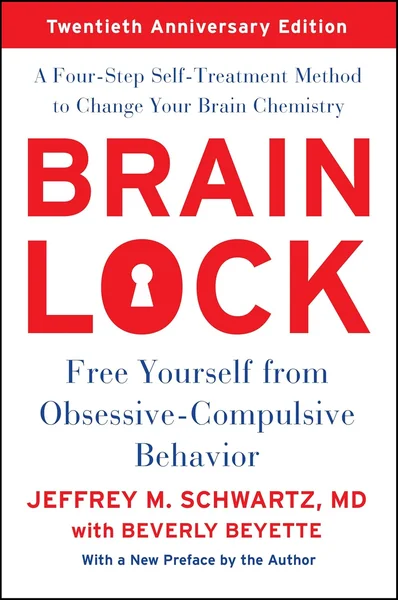
  1. Brain Lock, Twentieth Anniversary Edition cover
    2016
    The review →

Ask LuvemBooks about Jeffrey M. Schwartz

Jeffrey M. Schwartz is a research psychiatrist whose work centers on the neuroscience of obsessive-compulsive disorder, translating clinical findings into practical, self-directed treatment. LuvemBooks has reviewed one of his titles: Brain Lock, Twentieth Anniversary Edition, which lays out his four-step cognitive method for rewiring OCD-driven thought patterns — an approach now used in treatment centers globally. Readers seeking evidence-based psychology written for a general audience will find his work grounded in both scientific research and real patient outcomes.
Where should I start?
Brain Lock, Twentieth Anniversary Edition is the natural starting point — and the only Schwartz title currently reviewed on LuvemBooks. It introduces his four-step method (Relabel, Reattribute, Refocus, Revalue) in accessible language aimed at both OCD sufferers and those who want to understand the disorder. The twentieth anniversary edition includes updated research and new commentary, making it the most current version of his landmark work. With a reader rating of 4.6/5 across over 2,400 Amazon ratings, it has clearly resonated with a broad audience.
What's their writing style?
Schwartz writes as a clinician explaining his own research to a non-specialist audience — his prose is direct and instructional rather than narrative or literary. In Brain Lock, he structures each chapter around the four-step method, using patient case studies to illustrate how the technique applies in practice, which keeps the material concrete rather than abstract. His background in philosophy gives occasional passages a more conceptual depth than is typical of self-help psychology, particularly when he discusses free will and the nature of the self in relation to intrusive thoughts.
Books we've reviewed
LuvemBooks has reviewed one book by Jeffrey M. Schwartz: Brain Lock, Twentieth Anniversary Edition (Psychology) — the definitive edition of his landmark guide to the four-step self-treatment method for OCD, earning a reader rating of 4.6/5 from over 2,400 Amazon ratings.
What genre do they write?
Jeffrey M. Schwartz writes in the psychology and self-help nonfiction space, specifically within the subfield of clinical and applied neuroscience. His work sits at the intersection of scientific research and practical guidance — closer to evidence-based self-help than to popular science or memoir. Brain Lock is catalogued under Psychology and is primarily used as a therapeutic resource rather than casual reading.
What should I read after Brain Lock?
After Brain Lock, readers often move to Schwartz's You Are Not Your Brain (co-authored with Rebecca Gladding), which applies a similar four-step framework to entrenched negative thought patterns that aren't strictly OCD. For a deeper dive into the neuroscience underpinning his methods, The Mind and the Brain (co-authored with Sharon Begley) offers a more research-focused account of neuroplasticity. Neither title is currently reviewed on LuvemBooks, but both are widely available.
Who is Jeffrey M. Schwartz?

Who is Jeffrey M. Schwartz?

Jeffrey M. Schwartz (born 1951) is a research psychiatrist affiliated with UCLA, best known for developing a four-step self-directed cognitive method for treating obsessive-compulsive disorder. He earned his B.A. in philosophy from the University of Rochester and his M.D. from Downstate Medical Center. Beyond his clinical work, he served as a technical consultant on the 2004 Howard Hughes biopic The Aviator, and his book Brain Lock has become a widely referenced resource in OCD treatment worldwide.

Follow up

What is Schwartz's background in neuroscience?
What was his role in The Aviator?

Synthesized from verified book data & published reviews · How we review

​

Press Enter to ask. Answers come from our editorial Q&A — start typing to see related questions.

Authors Like Jeffrey M. Schwartz
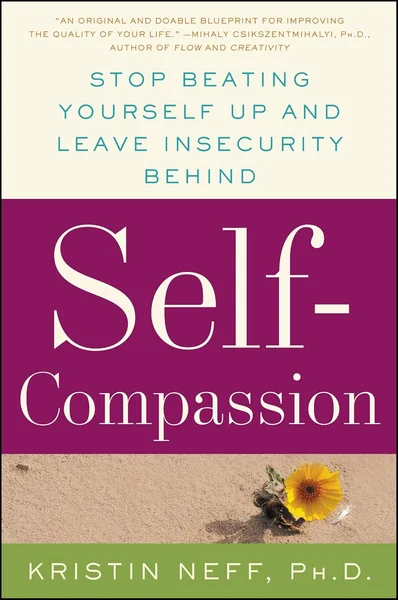
Kristin Neff

Kristin Neff

Psychology
Health & Wellness
Kristin Neff's Self-Compassion provides a research-backed mindfulness approach tackling shame and self-criticism, complementing Jeffrey M. Schwartz's Refocus step for overcoming OCD cycles.
1 book reviewed
Self-Compassion: The Proven Power of Being Kind to Yourself
J

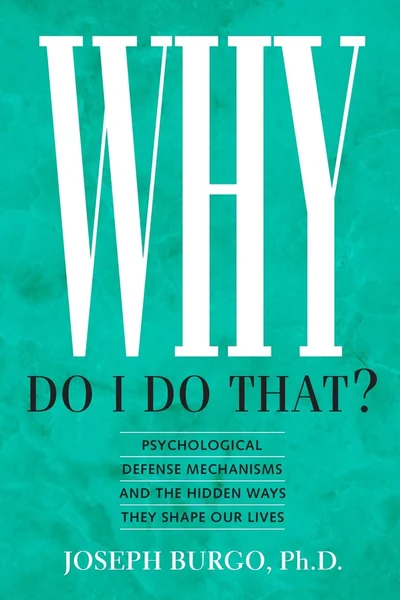
Joseph Burgo

Psychology
Health & Wellness
Joseph Burgo's Why Do I Do That? explores the unconscious emotional patterns beneath compulsive behavior, offering a psychodynamic perspective alongside Schwartz's focus on overcoming OCD.
1 book reviewed
Why Do I Do That?: Psychological Defense Mechanisms
F

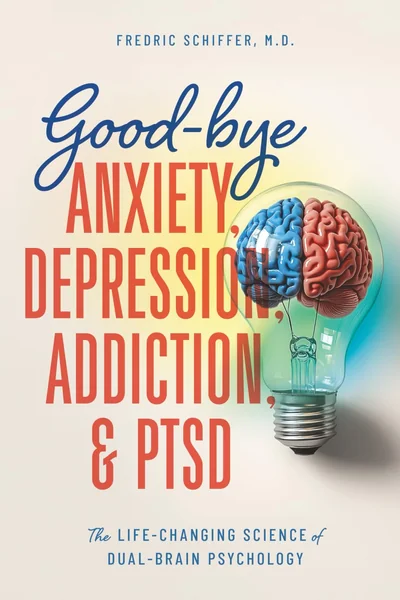
Fredric Schiffer

Psychology
Health & Wellness

Fredric Schiffer is an American psychiatrist and medical researcher, serving as a Research Associate at McLean Hospital and Assistant Professor (Part-Time) of Psychiatry at Harvard Medical School. He is the Founder and CEO of MindLight, LLC, and the developer of "dual-brain psychology." His books include *Of Two Minds* and *Good-bye Anxiety, Depression, Addiction & PTSD*, and he holds multiple patents related to hemisphere-specific treatment technologies.

1 book reviewed
Good-bye Anxiety, Depression, Addiction & PTSD: The Life-Changing Science of Dual-Brain Psychology
Charles Duhigg

Charles Duhigg

Psychology
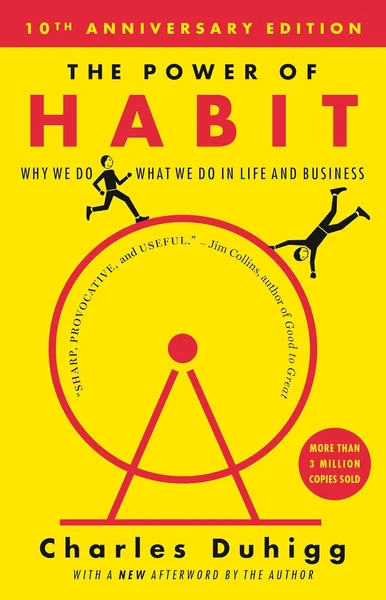
Charles Duhigg's The Power of Habit explores the cue-routine-reward loop behind compulsive behavior, offering a behavioral science perspective alongside Schwartz's methods for addressing OCD.
1 book reviewed
The Power of Habit: Why We Do What We Do in Life and Business
L

Leslie Sokol

Psychology

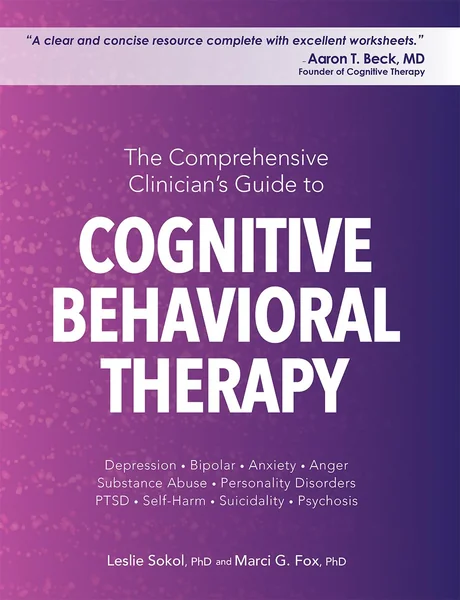
Leslie Sokol, PhD, is a licensed psychologist and a distinguished founding fellow and past president of the Academy of Cognitive Therapy, recognized as a leader in cognitive behavioral therapy. With Marci G. Fox, she co-authored The Comprehensive Clinician's Guide to Cognitive Behavioral Therapy, drawing on years of work with CBT founder Aaron T. Beck.

1 book reviewed
The Comprehensive Clinician's Guide to Cognitive Behavioral Therapy
M

Marci Fox

Psychology

Marci G. Fox, PhD, is a licensed psychologist in private practice who specializes in cognitive behavioral therapy with teens and adults. She has worked with the Beck Institute for Cognitive Behavior Therapy in Philadelphia and co-authored The Comprehensive Clinician's Guide to Cognitive Behavioral Therapy with Leslie Sokol.

1 book reviewed
The Comprehensive Clinician's Guide to Cognitive Behavioral Therapy