7 min read
Share This Review
Our review
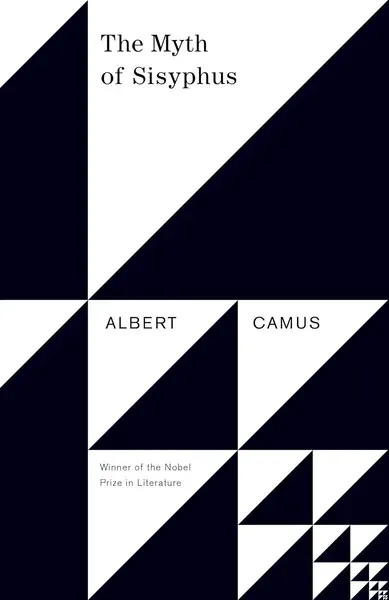
The Myth of Sisyphus
The Myth of Sisyphus by Albert Camus Review: A Guide to Absurdism
Albert Camus’s 1942 philosophical essay examines how to live meaningfully in a universe devoid of inherent order. The text rejects despair and hope in favor of lucid rebellion, making it a vital read for seekers of existential clarity.
LuvemBooks Verdict
Best for
Readers who seek existential clarity benefit from Camus's lucid rebellion against despair, which provides a vital framework for living meaningfully in a universe devoid of inherent order.
Worth it if
Worth reading if you crave intellectual clarity regarding the origins of human struggle and are prepared to engage with dense, abstract existential questions.
Skip if
Skip it if you seek narrative fiction, traditional inspiration, or comforting resolutions, as the text explicitly rejects hope and religious faith as forms of illusion.
Where reviewers agree and split
Readers rate it 4.7 on Amazon. The reviews we read that discuss it in depth agree:
- Positive
Marcellinony · Book blog: praises its clarity and rewarding depth
- Positive
Nateshivar · Book blog: highly praises its lyrical prose and lasting value
What readers & critics say
Kirkus Reviews dismissed the work as 'a dreary thesis' that feels 'peculiarly outmoded,' while reader aggregations on Biblio praise its lucid framing of the Absurd even as they note the dense prose can feel like a slog. Book bloggers on Marcellinony and Nateshivar highlight the text's economical style and lasting philosophical reward.
“peculiarly outmoded. It is based on the experience”
— Kirkus ReviewsAsk LuvemBooks
Was this helpful?
- Is it worth reading?
- Readers who seek intellectual depth will find the text deeply rewarding, especially given the lyrical pieces like "Summer in Algiers" that provide a necessary counterweight to the dense philosophy. However, the demanding reasoning requires active engagement with difficult questions, making it a challenging read for those expecting narrative comfort. It remains essential for dedicated readers willing to sit with the silence of the cosmos.
- Similar books
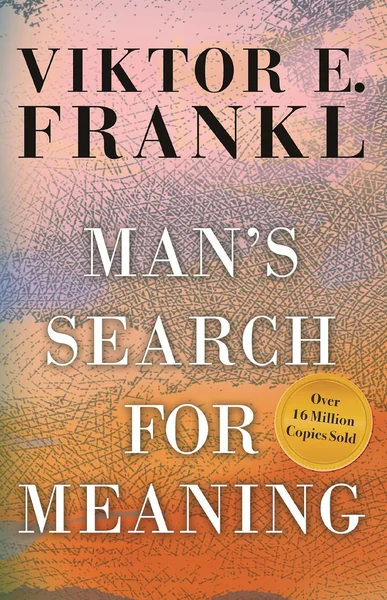
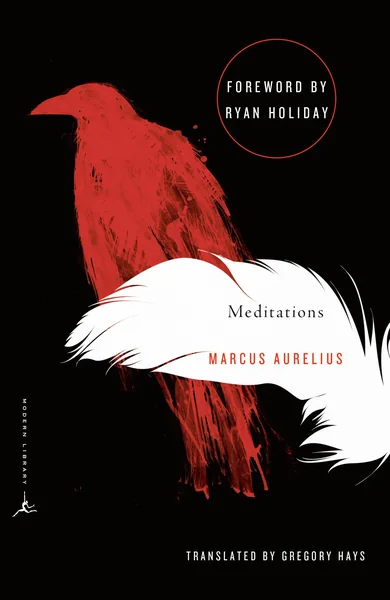
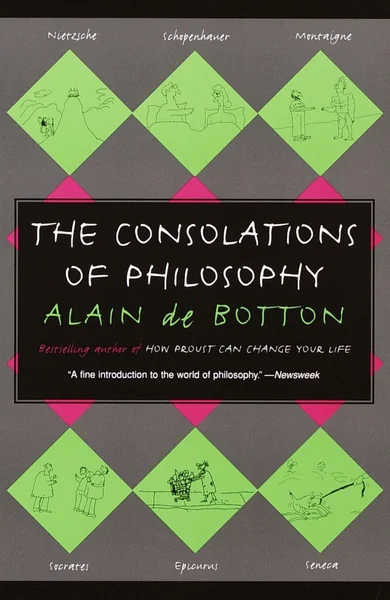
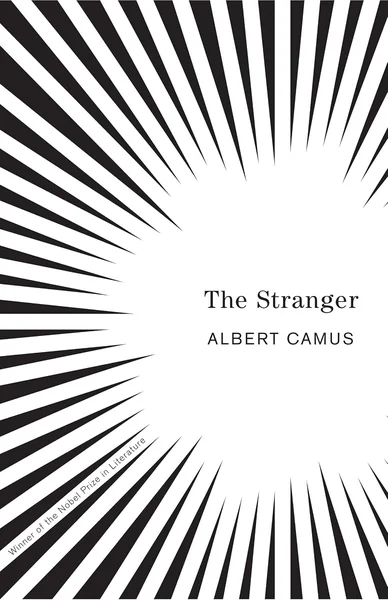
- Readers who appreciate this philosophical framework will likely enjoy Viktor E. Frankl’s Man's Search for Meaning for its direct examination of finding purpose, Marcus Aurelius’s Meditations for its stoic approach to duty, and Alain De Botton’s The Consolations of Philosophy for its accessible take on classical thought. Those interested in Camus’s literary approach to the same themes should start with his novel The Stranger, which shares the same publication year but constructs a completely independent narrative argument.
- Who should read this?
- This text is written for adults who seek philosophical depth and are willing to read dense, abstract arguments without expecting narrative comfort. It particularly suits readers interested in the French Resistance era, classical mythology, or the origins of modern disillusionment. Those accustomed to straightforward non-fiction may find the dense text challenging.
- About Albert Camus
- According to verified records, Albert Camus was a French philosopher, writer, and political activist.
- How does this compare to The Stranger?
- While both works share a 1942 release date and explore the same philosophical terrain, they operate in completely different mediums. The Stranger constructs a narrative argument through a detached protagonist, whereas The Myth of Sisyphus functions as a pure, long-form philosophical manifesto. Readers often find the essay clarifies the existential themes present in the novel.
- What is the writing style?
- Camus employs a sparse, economical prose style that names complex emotions directly without overexplaining them. This work operates as a long-form argument rather than a narrative or journalistic report, utilizing compressed logic to deliver a full texture of experience. His linguistic precision ensures that complex ideas remain clear to dedicated readers.
Summarize this book
Follow up
Synthesized from verified book data & published reviews · How we review
What would you like to know about The Myth of Sisyphus?
Answers come from our editorial notes on this book. If we haven't covered something, we'll say so.
Readers often ask
Our Review
We review the evidence: reader verdicts, gathered and weighed with AI assistance and edited by LuvemBooks, rather than one reader's first-hand take.
The Premise and Argument
Significance in Modern Philosophy
Strengths and Prose
Limitations and Accessibility
Our Take: Is It Worth Reading?
Sources & Further Reading
The key facts and claims in this review are grounded in the retrieved, verified sources listed below.
- Cited in this review
- 1
penguinrandomhouse.com
- Further reading
- 2
Albert Camus, LuvemBooks
- 3
dn710009.ca.archive.org
- 4
archive.org
- 5
ia800406.us.archive.org
- 6
marcellinony.com
- 7
- 8
nateshivar.com
- 9
- 10
- 11
kirkusreviews.com
Age & Reading Level
Our age band
Adult
Our age band groups books for browsing; it isn't an age a review gave.
3 content notes · who it suits
Content to know about
Skip if you seek narrative fiction, traditional inspiration, or comforting resolutions
Reader reviews
No LuvemBooks readers have answered yet.
Read it? Was it right for you?
Books like The Myth of Sisyphus
Curated picks for readers who enjoyed The Myth of Sisyphus, with our reasoning for each match.
If you liked The Myth of Sisyphus