7 min read
4.6
· 189 Amazon ratingsShare This Review
Our review
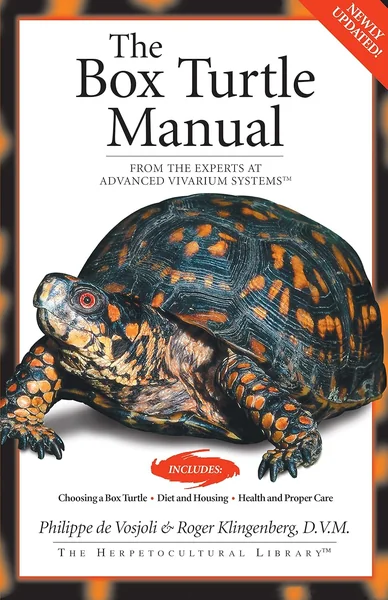
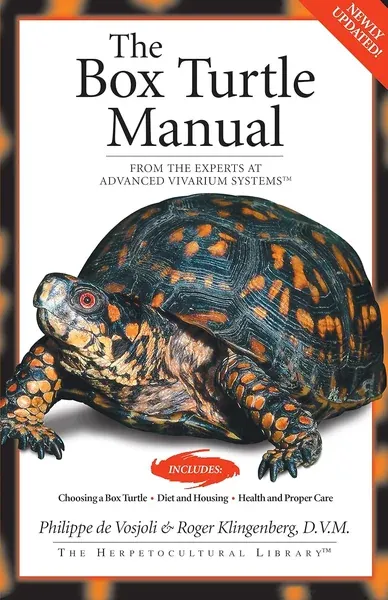
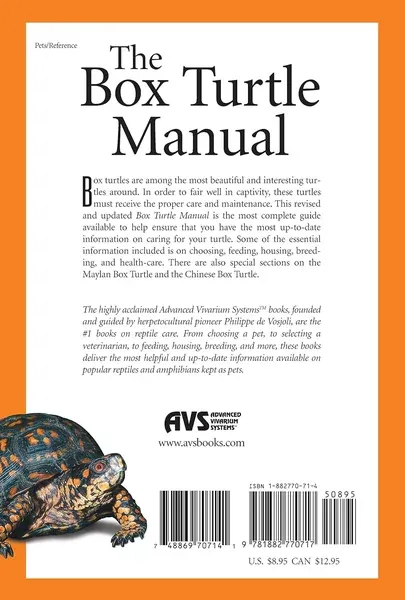
The Box Turtle Manual by Philippe de Vosjoli & Roger J. Klingenberg Review: A Focused, Expert-Backed Care Reference
A compact but substantive care manual from two reptile authorities, covering box turtle husbandry, health, and breeding — with a standout veterinary chapter on disease and disorders that sets it apart from generic pet guides.
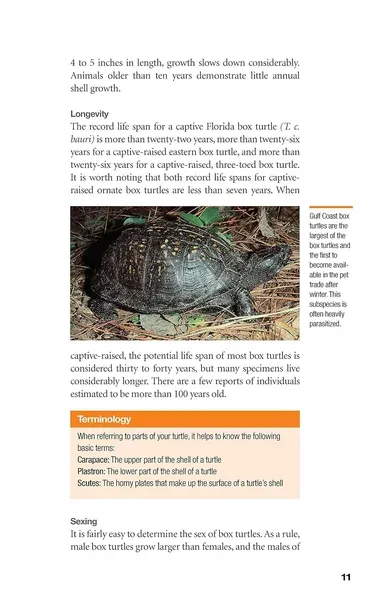
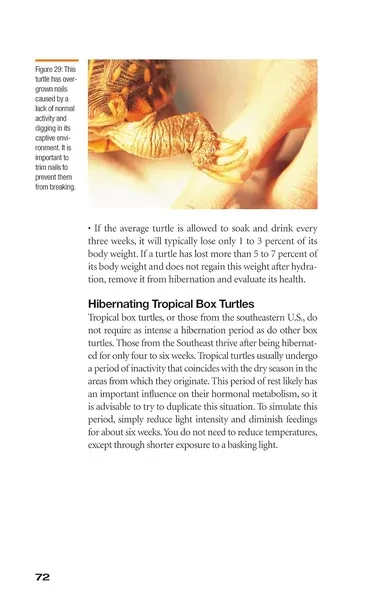 Tap to enlarge
LuvemBooks Verdict
Best for
New or prospective box turtle owners who need a structured, expert-grounded starting point, and existing keepers who want a single reference consolidating husbandry, feeding, and health troubleshooting in one place.
Worth it if
You keep or are considering keeping box turtles and want a credible, organised manual backed by both reptile husbandry expertise and veterinary authority — especially for its practical disease troubleshooting content.
Skip if
You need the most current veterinary treatment options or regulatory guidance, or want exhaustive coverage of individual subspecies and advanced breeding programs beyond what a compact reference provides.
What readers & critics say
The specialty resource boxturtles.com describes the manual as "highly praised" and credits it with having "saved thousands of lives," singling out Roger Klingenberg DVM's diseases and disorders chapter as treating the subject "in great detail." Everand's catalogue entry corroborates the scope of Klingenberg's chapter, noting its specific advice on dehydration, nutritional problems, parasitic problems, and vitamin deficiency.
Sources: boxturtles.com, everand.comPreview the book
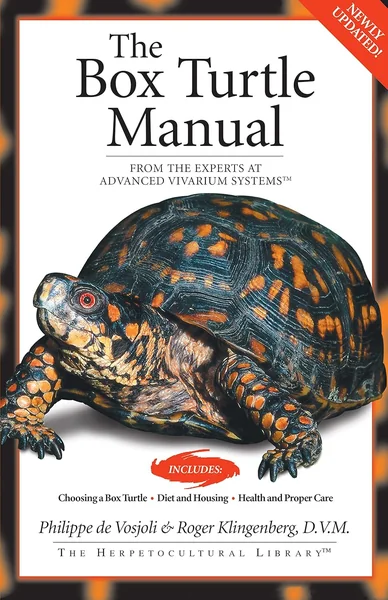
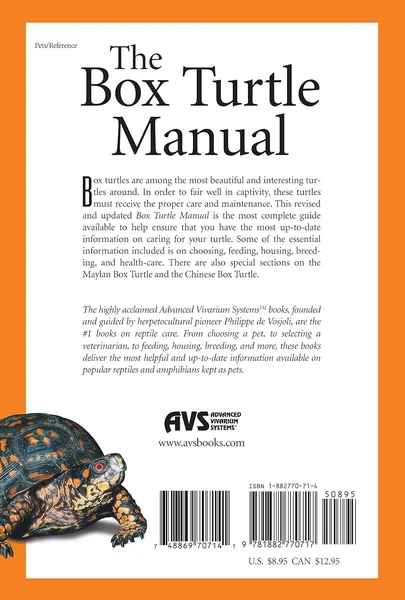

Ask LuvemBooks
Was this helpful?
- Is it worth reading?
- For new or prospective box turtle owners, The Box Turtle Manual is one of the most credible starting points available, combining Philippe de Vosjoli's herpetoculture expertise with Roger J. Klingenberg's DVM-backed veterinary content in a single organized reference. The five-page health troubleshooting chart alone is the kind of practical resource that owners are likely to return to repeatedly. The main caveat is its 2004 publication date — readers who need the most current veterinary treatment options or regulatory guidance should plan to supplement it with more recent sources.
- Similar books
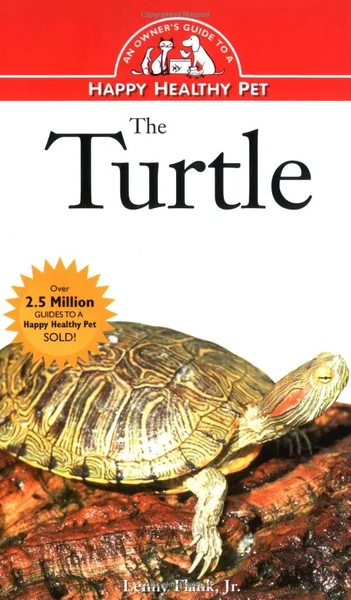
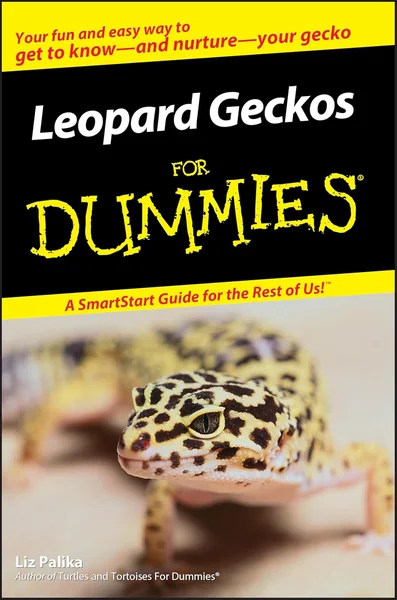
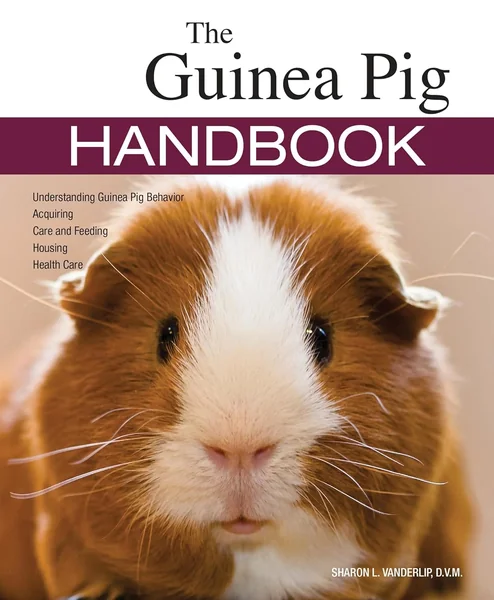
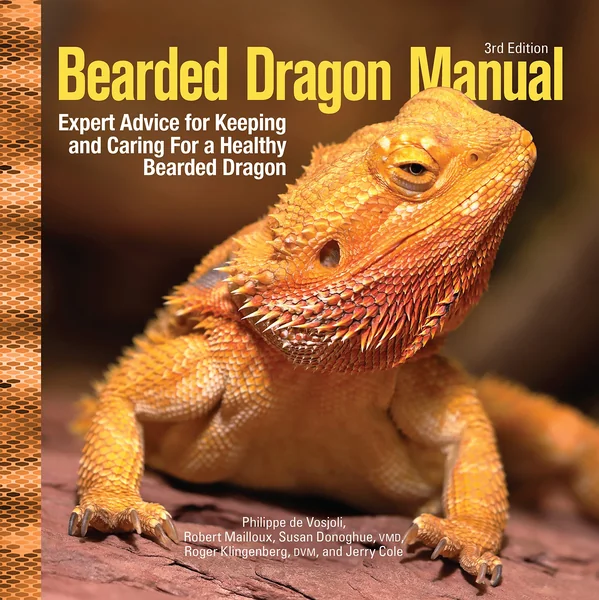
- Readers who find The Box Turtle Manual useful will likely appreciate other titles in the same expert-authored pet care tradition. The Bearded Dragon Manual, 3rd Edition by Philippe de Vosjoli, Robert Mailloux, Susan Donoghue, Roger Klingenberg, and Jerry Cole shares the same Advanced Vivarium Systems authorship pedigree and approach. For another reptile species, Leopard Geckos For Dummies by Liz Palika offers accessible, practical ownership guidance. The Turtle: An Owner's Guide to a Happy Healthy Pet by Lenny Flank Jr. is a natural companion for readers whose interest extends to turtles more broadly. For those exploring other small-pet handbooks in a similar format, The Guinea Pig Handbook by Sharon Vanderlip D.V.M. brings comparable veterinary-backed credibility.
- Who should read this?
- The Box Turtle Manual is best matched to new or prospective box turtle owners who need a structured, credible starting point, and to existing keepers who want a single reference that consolidates husbandry, feeding, and health troubleshooting in one place. Readers already drawn to the Advanced Vivarium Systems series for other reptile species will find this entry consistent with that series' expert-authored, practically focused approach. Those seeking exhaustive subspecies coverage or cutting-edge veterinary treatments will likely need to supplement it with additional, more recent resources.
- How detailed is the health and disease content?
- The health and disease content is considered one of the manual's primary distinguishing strengths. Roger J. Klingenberg, DVM, contributes a dedicated chapter on diseases and disorders that covers specific conditions including dehydration, nutritional problems, parasitic problems, and vitamin deficiency. The chapter closes with a five-page troubleshooting chart for health problems — a practical, at-a-glance resource that the specialty site boxturtles.com credits as treating 'diseases and disorders of this species in great detail.' The DVM credential behind this chapter gives the content veterinary authority rather than relying solely on hobbyist observation.
- Is the 2004 edition still relevant today?
- The Box Turtle Manual was originally published in 2004 as an updated edition from CompanionHouse Books, and its core husbandry principles — covering diet, housing, lighting, and breeding fundamentals — are grounded in established reptile care knowledge that remains broadly applicable. The specialty community site boxturtles.com continues to describe it as 'highly praised,' suggesting it retains real standing among keepers. That said, any reader specifically seeking the most current veterinary treatment protocols or species-specific regulatory guidance is advised to supplement the manual with more recent sources.
- What is the Advanced Vivarium Systems series?
- The Advanced Vivarium Systems series is a line of reptile and herpetoculture care manuals that Philippe de Vosjoli built into a landmark and trusted standard in the field. De Vosjoli is widely credited with having revolutionized herpetoculture through this series, and boxturtles.com describes him as having authored a long row of excellent best-selling books on reptile care under the imprint. The Box Turtle Manual fits squarely within the series' hallmark approach: expert authorship, organized coverage, and a practical focus on what keepers actually need to know to maintain their animals' wellbeing.
Summarize this book
Follow up
Synthesized from verified book data & published reviews · How we review
Press Enter to ask. Answers come from our editorial Q&A — start typing to see related questions.
Age & Reading Level
Recommended age
Adult
Reading level
Adult
who it suits
Skip if you need exhaustive subspecies coverage or the most current veterinary treatment protocols, as the manual's compact 2004 format will feel insufficient.
Our Review
What the Manual Covers

The Authors and Their Standing in the Field

Reception and Reputation
Scope and Limitations to Consider
Who This Manual Is For
Sources & Further Reading
The key facts and claims in this review are grounded in the retrieved, verified sources listed below.
- Cited in this review
- 1
- 2
boxturtles.com
- Further reading
- 3
abebooks.com
Books like The Box Turtle Manual
Curated picks for readers who enjoyed The Box Turtle Manual, with our reasoning for each match.
If you liked The Box Turtle Manual