8 min read
4.7
· 389 Amazon ratingsShare This Review
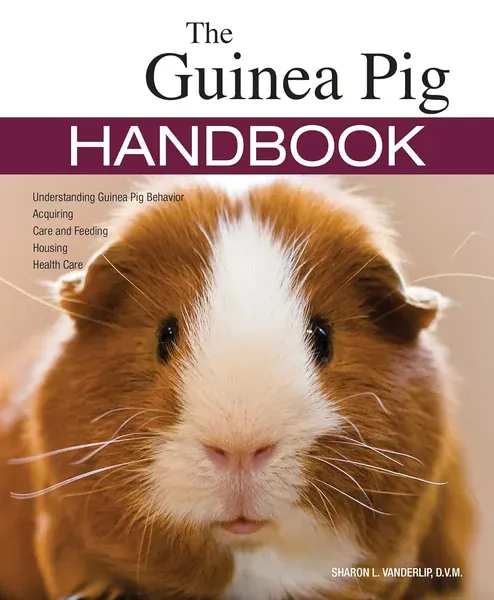
Our review
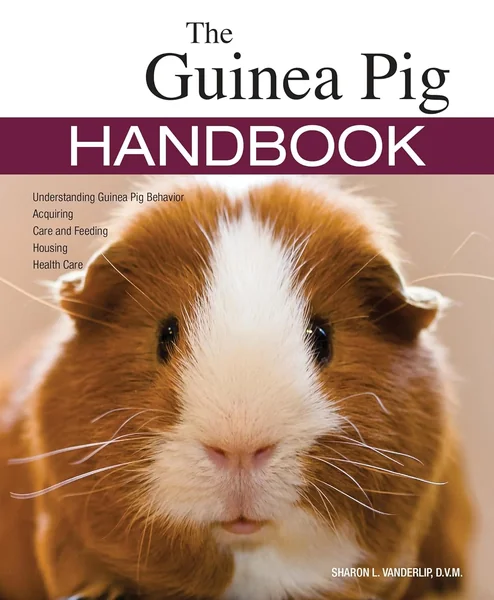
The Guinea Pig Handbook by Sharon Vanderlip D.V.M. Review: Comprehensive Vet-Written Care Guide for Cavy Owners
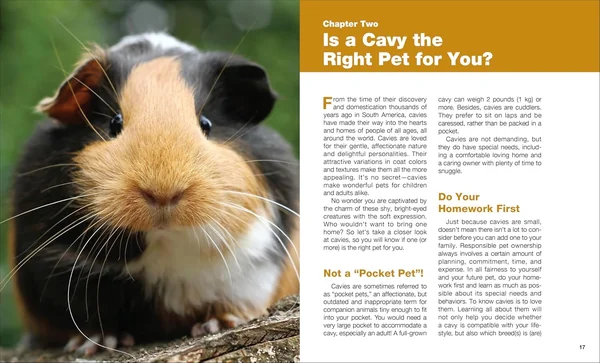
Written by a veterinarian and published as part of the B.E.S. Pet Handbooks series, The Guinea Pig Handbook by Sharon Vanderlip D.V.M. Is a thorough reference guide designed to cover every major aspect of guinea pig ownership — from selection and housing through nutrition, health care, behavior, and emergency first aid. This review is based on published sources and stated content; it does not reflect hands-on use or testing of the guide.
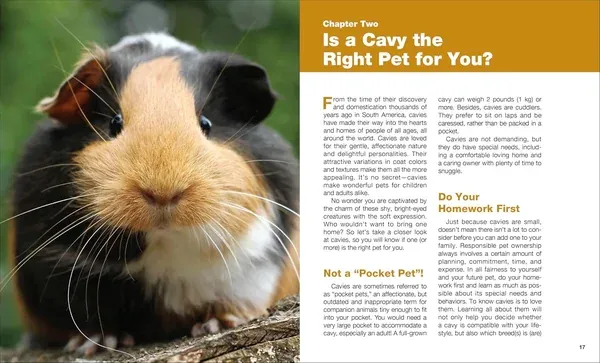
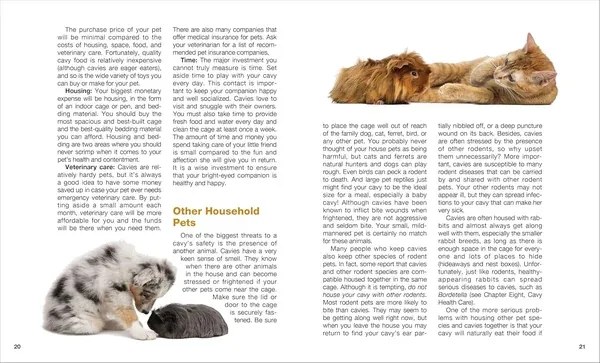
 Tap to enlarge
LuvemBooks Verdict
Best for
Guinea pig owners — whether first-timers choosing their first cavy or experienced breeders wanting a single vet-grounded reference — who need authoritative, wide-ranging guidance covering everything from housing and nutrition to medical conditions and emergency care.
Worth it if
You want a single, credentialed, broadly comprehensive handbook written by a D.V.M. that can serve you across the full arc of guinea pig ownership, from day-one selection through recognising illness and handling emergencies.
Skip if
You need the very latest post-2015 veterinary recommendations or a deep specialist dive into a narrow topic such as advanced breeding genetics — the handbook's breadth-first design and 2015 publication date mean it may not satisfy either demand on its own.
What readers & critics say
Readers on Thriftbooks describe the book as "a comprehensive reference on all of the essential information that anyone would need to successfully keep guinea pigs healthy and happy," singling out its disease-detection and behavioural-problem sections as "right on target." The author's own site characterises it as "outstanding," "comprehensive, detailed, useful, and fun to read," and positions it as "a necessity for the new pet owner or the experienced cavy breeder." Meanwhile, the community forum GuineaPigCages.com flags a standing caveat that some published guinea pig books — including this one — may carry outdated cage-size recommendations relative to current community standards.
Sources: Thriftbooks, SharonVanderlip.com, GuineaPigCages.comPreview the book
Ask LuvemBooks
Was this helpful?
- Is it worth reading?
- For anyone who owns or is considering a guinea pig, The Guinea Pig Handbook offers something most pet-care guides do not: a clinically grounded framework authored by a credentialed veterinarian (D.V.M.) rather than a general pet enthusiast. One reader on Thriftbooks cited a veterinarian neighbor who recommended the title, describing Dr. Vanderlip's books as 'a great source of information for the beginner and the expert because the information is always clear and reliable.' The main limitation is currency — the most recent verified edition dates to December 2015 — so readers dealing with evolving areas like diet standards or specific medical treatments may need to supplement with more recent veterinary sources.
- Similar books
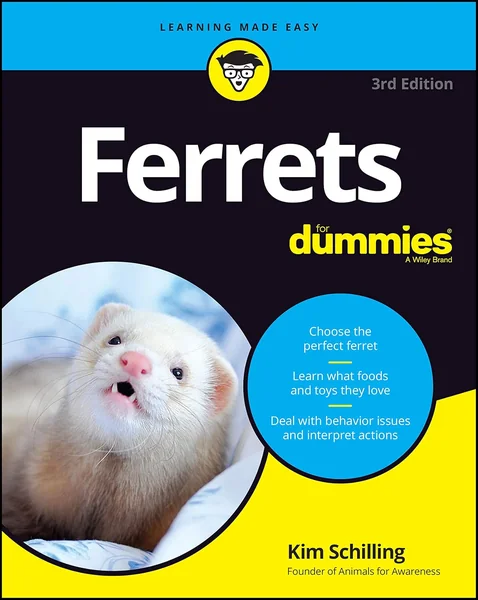
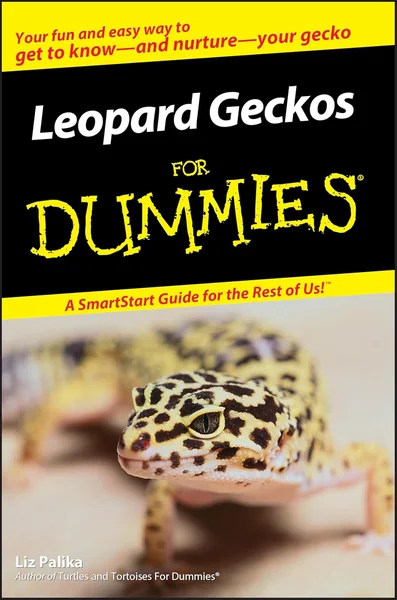
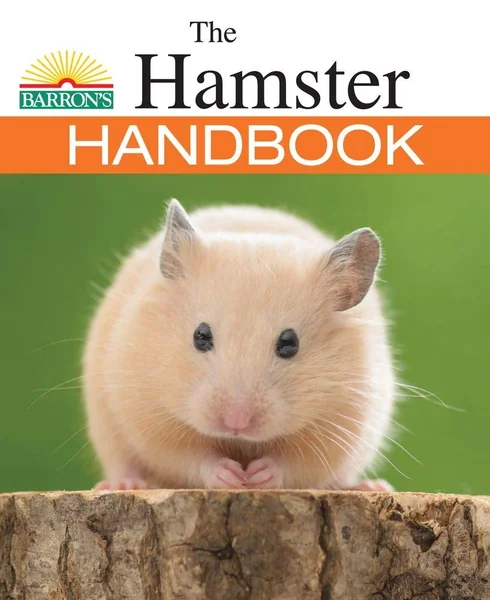
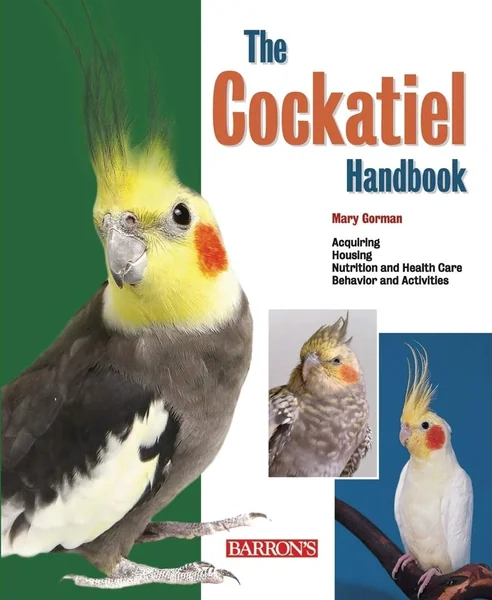
- Readers who find The Guinea Pig Handbook useful will likely appreciate other volumes in the same B.E.S. Pet Handbooks tradition. The Hamster Handbook by Patricia Bartlett and The Cockatiel Handbook by Mary Gorman offer the same series' approach of detailed, accessible coverage for small-pet owners. For those drawn to the veterinarian-endorsed, practical-reference format more broadly, Ferrets For Dummies by Kim Schilling and Leopard Geckos For Dummies by Liz Palika apply a similarly structured, accessible style to other small-animal species. The Complete Pet Bird Owner's Handbook by Gary A. Gallerstein is another strong choice for owners who want encyclopedic, vet-informed guidance in a single illustrated volume.
- Who should read this?
- The Guinea Pig Handbook is designed to serve both first-time guinea pig owners and experienced cavy breeders within a single volume — a range that the publisher, Barnes & Noble's product description, and Dr. Vanderlip's own website all explicitly endorse. New owners will find foundational guidance on selection, housing, nutrition, and handling, while more experienced keepers can lean on the medical conditions, emergency care, and breeding sections. Anyone who wants vet-approved, clinically grounded care information — rather than general pet-enthusiast advice — is the handbook's core reader.
- How reliable is the health and medical content?
- The medical and health content is the handbook's primary distinguishing strength. Sharon Vanderlip holds a D.V.M. degree, and that veterinary background shapes the entire framing of the guide — a meaningful credential in a genre where inaccurate care information can have direct consequences for animals. A Thriftbooks reader cited a veterinarian neighbor who recommended the title, describing the disease detection and behavioral problem sections as 'right on target' and covering topics 'in terms that all can understand.' The caveat is that the most recent verified edition dates to December 2015, and some veterinary care recommendations in the cavy-keeping field have continued to evolve since then.
- What is the B.E.S. Pet Handbooks series?
- The B.E.S. Pet Handbooks series is an imprint associated with Barron's, designed — per the publisher's own description — to offer more extensive and detailed coverage than a standard pet owner's manual. It positions itself as a step up in depth while retaining accessible formatting and illustrations. The Guinea Pig Handbook sits within that series alongside titles like The Hamster Handbook by Patricia Bartlett and The Cockatiel Handbook by Mary Gorman, all following the same approach of broad-spectrum, illustrated reference coverage for specific pet species.
- How useful are the photos, charts, and checklists?
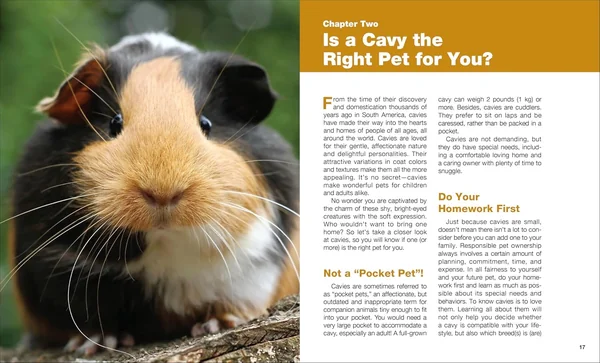
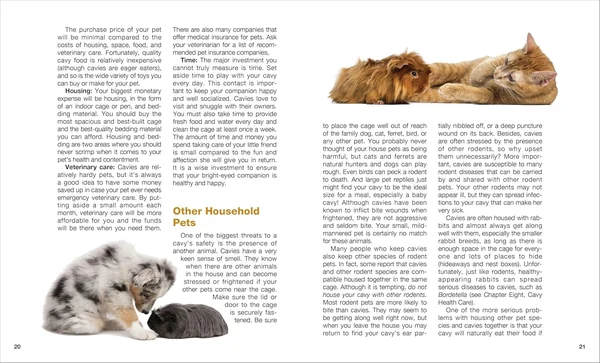
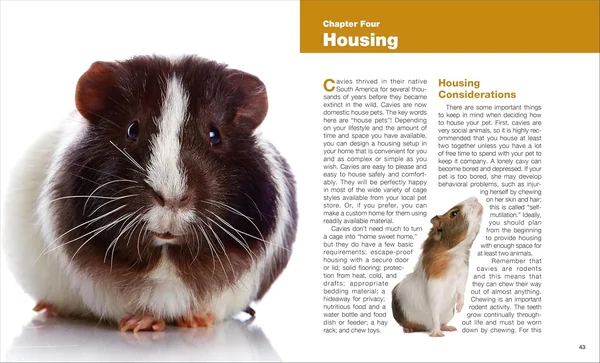
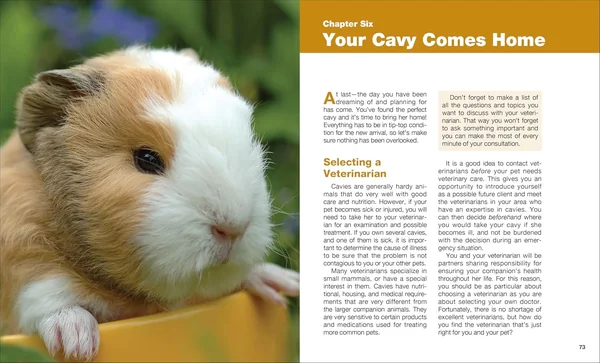
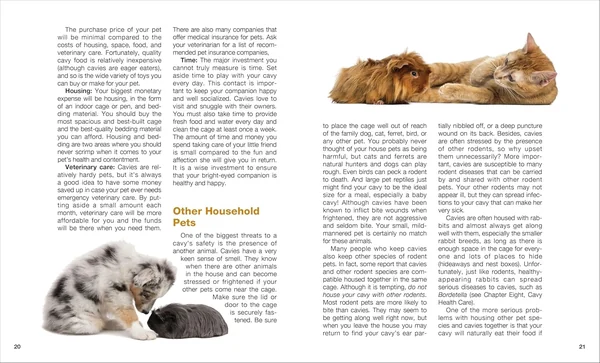
- The handbook is illustrated throughout with full-color photographs and instructive line drawings, which the publisher describes as working in conjunction with the written content to fully illustrate Dr. Vanderlip's points — not merely decorative additions. Handy charts and checklists are integrated for quick reference, and readers have specifically highlighted these organizational tools as a practical strength: a Thriftbooks reviewer praised 'the use of handy charts and checklists for quick reference' alongside the medical and behavioral content.
Summarize this book
Follow up
Synthesized from verified book data & published reviews · How we review
Press Enter to ask. Answers come from our editorial Q&A — start typing to see related questions.
Age & Reading Level
Recommended age
Adult
Reading level
Adult
who it suits
Skip if you need the most current veterinary care standards and won't be supplementing with up-to-date exotic-animal veterinary guidance.
Our Review
What the Book Is and What It Covers
The Author's Credentials and Their Significance
Scope and Depth: Designed for a Wide Audience
Genuine Strengths: Organization and Veterinary Specificity
Limitations and Who May Find It Frustrating
Sources & Further Reading
The key facts and claims in this review are grounded in the retrieved, verified sources listed below.
- Cited in this review
- 1
- 2
sharonvanderlip.com
- Further reading
- 3
thriftbooks.com
- 4
- 5
Books like The Guinea Pig Handbook
Curated picks for readers who enjoyed The Guinea Pig Handbook, with our reasoning for each match.
Read Next
If you liked The Guinea Pig Handbook