BOOKS
Published
Read Time
5 min read
Our Rating
4.2
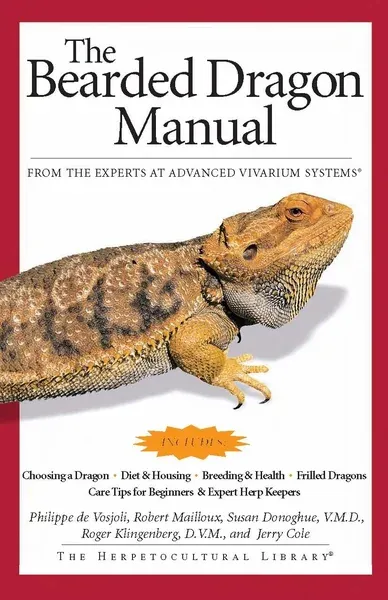
A thorough, practical guide that transforms bearded dragon care from intimidating to manageable, though some equipment recommendations show their age.
Reviewed by
LuvemBooks
Share This Review
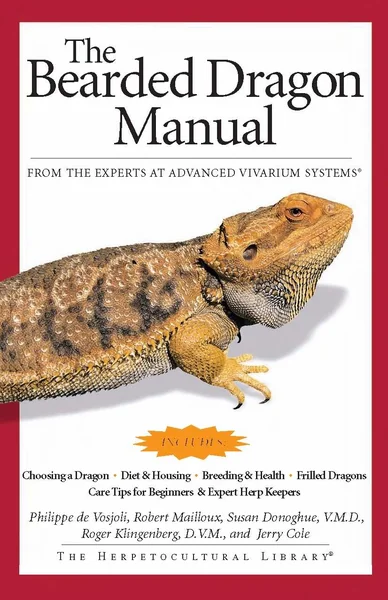
The Bearded Dragon Manual by Philippe De Vosjoli Review
Our Rating
4.2
A thorough, practical guide that transforms bearded dragon care from intimidating to manageable, though some equipment recommendations show their age.
In This Review
- What Works & What Doesn't
- From Beginner Basics to Advanced Husbandry
- Practical Expertise Over Academic Theory
- Where Science Meets Accessible Writing
- The main weakness lies in the manual's age, with some equipment recommendations reflecting older technology. LED lighting options, modern heating elements, and current substrate innovations have evolved significantly since the original publication. While the underlying principles remain sound, readers will need to supplement with current product information.
- Perfect for Committed Beginners
What Works & What Doesn't
What Works
- Systematic progression from beginner to advanced concepts
- Species-specific insights unavailable in general reptile guides
- Clear explanations of complex husbandry principles
- Practical troubleshooting advice for common issues
- Behavioral insights that inform better care decisions
What Doesn't
- Equipment recommendations reflect older technology
- Some image quality appears dated
- Breeding section lacks modern genetic information
From Beginner Basics to Advanced Husbandry
The manual opens with fundamental concepts that make reptile keeping accessible to complete beginners. De Vosjoli doesn't assume prior knowledge, walking readers through essential topics like proper heating gradients, UV lighting requirements, and substrate selection with clear explanations of the reasoning behind each recommendation.
What sets this guide apart is its progression from basic care to more sophisticated husbandry techniques. The author addresses common beginner mistakes—like inadequate basking temperatures or improper diet ratios—while gradually introducing concepts like breeding considerations and advanced habitat design.
The systematic approach prevents the information overload that plagues many new reptile keepers. Rather than drowning readers in conflicting advice found across internet forums, de Vosjoli presents tested methods backed by his extensive field experience and collaboration with other herpetologists.
Practical Expertise Over Academic Theory
De Vosjoli's writing style prioritizes practical application over theoretical discussion. Each chapter builds toward actionable steps readers can immediately implement. The housing section, for example, doesn't just list equipment—it explains optimal placement, seasonal adjustments, and troubleshooting common issues.
The feeding guidelines prove particularly valuable, addressing the nutritional complexity that often overwhelms new keepers. Rather than vague suggestions about "varied diet," the manual provides specific feeding schedules, portion guidelines, and seasonal adjustments that reflect natural behavior patterns.
Health monitoring receives thorough treatment, equipping readers to recognize early warning signs of common conditions. The author strikes an effective balance between encouraging proactive care and avoiding the paranoia that can develop when every behavioral change seems alarming.
Where Science Meets Accessible Writing
The manual excels in translating complex herpetological concepts into language that doesn't require a biology degree. Temperature gradient explanations, for instance, clearly connect the physics of heat distribution to practical terrarium setup without overwhelming technical detail.
Behavioral insights throughout the text help readers understand their animals beyond mere maintenance. De Vosjoli explains natural behaviors—from brumation patterns to territorial displays—that inform better husbandry decisions. This understanding transforms care from rigid rule-following to responsive, animal-centered practice.
The photography and illustrations effectively support the text, though some readers may find the image quality dated by current standards. The visual aids serve their purpose in clarifying setup concepts and identifying key anatomical features, even if they lack the polish of more recent publications.
The main weakness lies in the manual's age, with some equipment recommendations reflecting older technology. LED lighting options, modern heating elements, and current substrate innovations have evolved significantly since the original publication. While the underlying principles remain sound, readers will need to supplement with current product information.
The breeding section, while comprehensive for its scope, may leave serious breeders wanting more detailed genetic information and advanced techniques that have developed in recent years. However, for most readers interested in basic husbandry, this limitation proves minor.
Perfect for Committed Beginners
This manual works best for readers who prefer systematic learning over trial-and-error approaches. Those seeking quick answers or minimal commitment may find the thoroughness overwhelming, but dedicated new keepers will appreciate the comprehensive foundation it provides.
Experienced reptile keepers transitioning from other species will value the bearded dragon-specific insights, though they may already know much of the general husbandry information. The species-specific behavioral and care details make it worthwhile even for those with broader reptile experience.
Parents considering bearded dragons as family pets will find the realistic care requirements clearly outlined, helping them make informed decisions about the commitment involved. The manual doesn't oversell the hobby but presents honest assessments of time, cost, and complexity.
Product Gallery