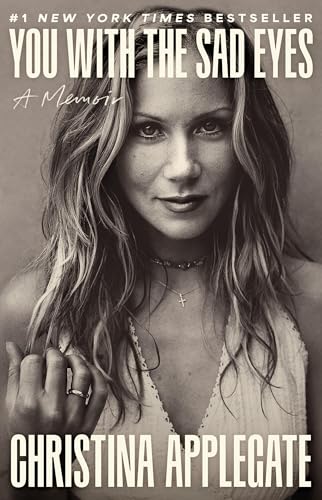
Christina Applegate's debut memoir, You with the Sad Eyes (Little, Brown and Company, March 3, 2026), is a darkly funny and emotionally unsparing account of childhood trauma, decades of private diary-keeping, and her 2021 multiple sclerosis diagnosis — a book that earned a #1 New York Times bestseller designation and praise from outlets including the Associated Press, Library Journal, and Harper's Bazaar. This review is based on published critical reception and the book's contents as described by those sources, not on hands-on reading.
Readers drawn to celebrity memoirs that trade career gloss for psychological rawness — particularly those interested in Christina Applegate's life through the lens of childhood trauma, MS diagnosis, and the kind of candid self-examination rarely found in the genre.
Worth it if
Worth reading if you want a celebrity memoir grounded in decades of real diary entries rather than retrospective polish, and you're prepared for dark subject matter leavened by genuine, coexisting humor rather than easy resolution.
Skip if
Skip it if you're looking for a straightforward career retrospective of Applegate's decades in television and film, or if you're not in the headspace for an emotionally demanding, unflinching account of illness, trauma, and sustained self-scrutiny.
What readers & critics say
The Independent called it "a remarkable, authentic achievement" and "the most devastating celebrity memoir of the year," praising its brutal yet darkly funny unpacking of abuse, violence, and self-loathing (the-independent.com). The Irish Times described it as a "raw, fast-paced memoir full of dark humour," noting Applegate writes candidly about anxiety, disordered eating, and a quiet belief that she was undeserving of kindness (irishtimes.com). BookReporter.com praised its "clear, concise, angry and expressive voice," calling it among the most distinctive voices in recent memoir (bookreporter.com), while barlinsbooks.com described it as "compulsively honest" in its retelling of a Hollywood life (barlinsbooks.com).
You with the Sad Eyes is Christina Applegate's debut memoir — a #1 New York Times bestseller spanning her childhood trauma, decades of raw diary-keeping, and her 2021 multiple sclerosis diagnosis, all rendered in a voice reviewers consistently describe as funny, furious, and unsparing. Grounded in primary-source diary passages and personal photographs, the book stands apart from the guarded celebrity memoir genre, earning praise from the Associated Press, Library Journal, and Harper's Bazaar for its candor and refusal to self-mythologize. Readers who want a breezy career retrospective of Applegate's television and film work should look elsewhere — this is a demanding, emotionally exposed book best suited to those ready to meet it on its own terms.
Is it worth reading?
For readers who want celebrity memoir done differently, You with the Sad Eyes makes a strong case for itself. Its grounding in decades of personal diary entries gives it a primary-source intimacy that most genre entries lack, and the critical consensus — from the Associated Press, Library Journal, Harper's Bazaar, and others — is that Applegate's refusal to self-mythologize or soften her account is what distinguishes it. The caveat is real: the unsparing emotional register covering illness, childhood trauma, and sharp self-criticism makes it a demanding read, and those seeking a conventional career retrospective of Applegate's decades in television and film will find the book's inward focus disorienting.
Similar books
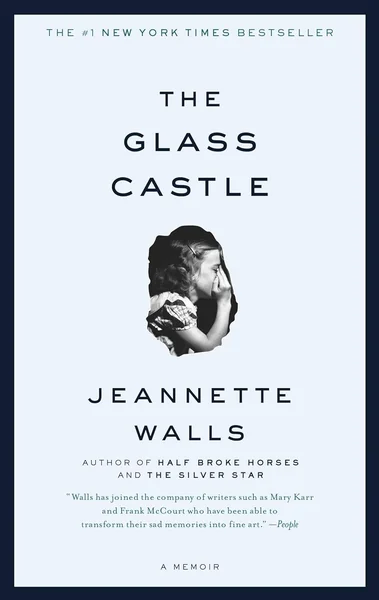
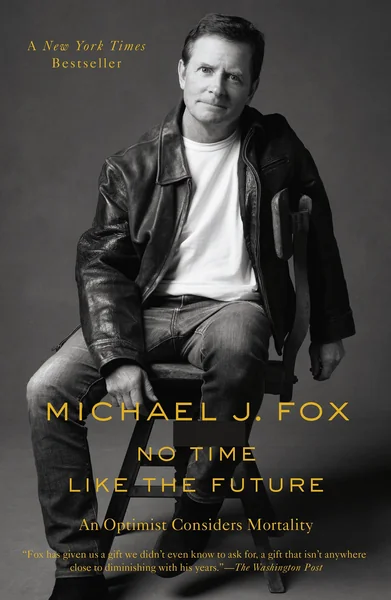
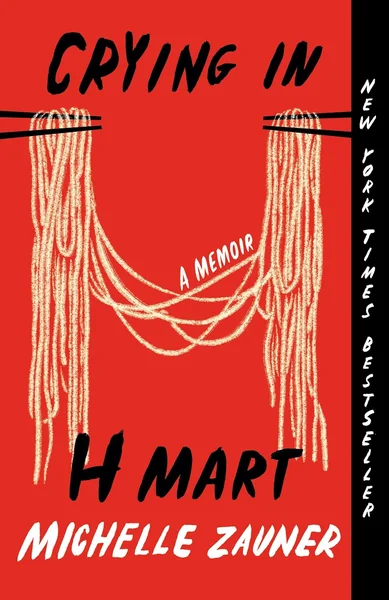
Readers drawn to You with the Sad Eyes will find natural companions in several memoirs that share its candor and emotional stakes. Jennifer Grey's Out of the Corner is a similarly unguarded celebrity memoir from an actress navigating identity, body image, and industry pressures. Michael J. Fox's No Time Like the Future covers a beloved actor's experience of degenerative illness with characteristic honesty — a direct parallel to Applegate's MS narrative. Jeannette Walls' The Glass Castle and Michelle Zauner's Crying in H Mart share the book's willingness to excavate childhood and family pain without protective softening. For those drawn to raw celebrity memoir with dark humor, Matthew Perry's Friends, Lovers, and the Big Terrible Thing and Jewel's Never Broken: Songs Are Only Half the Story also occupy similar emotional territory.
Who should read this?
You with the Sad Eyes is best suited to adult readers who want memoir that prioritizes emotional truth over career mythology. It will resonate particularly with readers interested in chronic illness narratives, survivors of childhood trauma, and anyone who appreciates dark humor deployed alongside genuine grief rather than in place of it. Those who admired Applegate's performances in Married… with Children or Dead to Me but want to understand the person behind the roles will find this revealing — though they should expect an inward, vulnerable account rather than a behind-the-scenes Hollywood story. Readers who prefer hopeful resolutions or who find sustained emotional heaviness difficult to sit with may want to approach cautiously.
Is it appropriate for sensitive readers?
You with the Sad Eyes covers childhood trauma, chronic illness, self-critical diary passages (including Applegate describing herself as 'a fat blob' in adolescence), and relationships with drug-addled individuals — all rendered without protective softening. The book's emotional register is sustained and demanding; reviewers describe it as 'harrowing' and 'raw and angry' as well as funny, but the darkness is neither decorative nor quickly resolved. This is an adult memoir, and sensitive readers should be aware that the content does not resolve toward comfort or reassurance. It is not recommended for younger readers.
What do critics say?
You with the Sad Eyes landed at #1 on the New York Times bestseller list and earned strong notices across a wide range of outlets. The Associated Press called it 'raw and angry, lyrical and funny, and more than a bit dangerous — a lot like Christina Applegate.' critics described it as 'harrowing, grimly funny, eloquently intimate, and ultimately empowering.' Harper's Bazaar labeled it 'a refreshing and unflinching addition to your celebrity-memoir collection,' and Jimmy Kimmel, cited in promotional materials, called it 'not your typical celebrity memoir.' The breadth of the reception — across entertainment, literary, and general press — is itself notable for a debut memoir.
What kinds of stories does it tell?
Beyond the structural spine of Applegate's MS diagnosis and childhood, the memoir is populated with specific, vividly rendered encounters. Reviewers point to well-told anecdotes involving dancers, drag queens, and a first love described as a drug-addled hustler — all rendered, according to critics, with personality and candor. The diary passages provide additional texture: adolescent self-criticism, the self-deceptions of romantic relationships, and the internal monologue of someone who has spent decades documenting her own life in real time. The combination of retrospective prose, embedded diary excerpts, and personal photographs makes for a layered reading experience rather than a linear narrative.
Summarize this book
Is it worth reading?
Who should read this?
Is it appropriate for sensitive readers?
What do critics say?
What kinds of stories does it tell?
Summarize this book
You with the Sad Eyes (Little, Brown and Company, March 3, 2026) is Emmy-winning actress Christina Applegate's debut memoir, tracing her life from her appearance on Days of Our Lives through her 2021 multiple sclerosis diagnosis and retirement from acting. The book draws extensively on personal diaries Applegate kept from adolescence onward — raw, emotionally unguarded entries that give the narrative a primary-source texture rare in celebrity memoirs — alongside personal photographs and retrospective prose. Its title is drawn from a Cyndi Lauper lyric, and its emotional register matches that choice: childhood trauma, fraught relationships, illness, and self-doubt are treated with the same unflinching candor as its humor. The Associated Press called it 'raw and angry, lyrical and funny, and more than a bit dangerous — a lot like Christina Applegate.'
Follow up
What's special about the diary entries?
How much of the book covers her MS diagnosis?
Is it as dark as it sounds?
Synthesized from verified book data & published reviews · How we review
Ask LuvemBooks
What would you like to know about You with the Sad Eyes?
Answers come from our editorial notes on this book. If we haven't covered something, we'll say so.
Readers often ask
Our Review
This review covers the book's content, premise and published critical reception, not a first-hand reading.
You with the Sad Eyes is a #1 New York Times bestseller that arrives as one of the more candid celebrity memoirs in recent memory — this review is based on the book's contents as described by published sources, not firsthand reading.
What the Memoir Actually Contains
Published by Little, Brown and Company on March 3, 2026, You with the Sad Eyes is a memoir by Emmy-winning actress Christina Applegate — best known for Married… with Children and Dead to Me — that spans her life from her 1972 debut on Days of Our Lives through her 2021 multiple sclerosis diagnosis and subsequent retirement from acting. The book's title draws from a Cyndi Lauper lyric, a choice that signals its emotional register: this is not a breezy career retrospective.
The narrative covers childhood trauma, Applegate's long habit of diary-keeping, relationships, and the health crisis that reshaped her public and private life. As Salon noted in its roundup of spring memoirs, when Applegate was diagnosed with MS in 2021, she didn't want to keep yet another secret — and You with the Sad Eyes is described as the raw, honest result of that decision.
The Diary Passages and Structural Architecture
A distinctive structural element of the memoir is its grounding in decades of personal diaries that Applegate kept from adolescence onward. Long, emotionally raw diary passages appear throughout, giving the book a texture that goes beyond recollection into something closer to real-time self-documentation.
In her adolescence, those entries record her castigating herself for being, in her own words, "a fat blob." Later passages show her attempting to persuade herself that whoever she is with at a given time is the right person.
Personal photographs also appear in the book, complementing the written narrative. These details, drawn from Kirkus Reviews, point to a memoir structured as much around private primary documents as around retrospective prose.
Significance and Reception
The book landed at #1 on the New York Times bestseller list, and the breadth of its critical reception is notable. Critics called it "funny, furious, and profane."
The Associated Press described it as "raw and angry, lyrical and funny, and more than a bit dangerous — a lot like Christina Applegate." critics delivered a starred-equivalent verdict — "harrowing, grimly funny, eloquently intimate, and ultimately empowering." Harper's Bazaar called it "a refreshing and unflinching addition to your celebrity-memoir collection," while the publisher's own description frames it as cementing Applegate's "formidable and iconoclastic legacy."
Jimmy Kimmel, cited in promotional materials, called it "not your typical celebrity memoir." Across these sources, the consensus is that the book distinguishes itself from the genre's more guarded entries.
What the Memoir Does Well
The consistent praise across sources centers on Applegate's refusal to soften or self-mythologize. A review describes a writer who has long been known as a fast-talking funny girl, but who brings to the page something far more exposed.
Reviewers note that the well-told anecdotes and memorable character sketches are what make it a page-turner — pointing specifically to encounters with dancers, drag queens, and a first love described as a drug-addled hustler, all rendered with personality and candor. The book's humor, frequently cited, coexists with its grief rather than deflecting from it, a balance that multiple sources identify as one of the memoir's defining qualities.
The publisher's description frames the book as "unflinchingly honest and darkly funny," language borne out by the specificity of the diary passages and the range of critical adjectives reviewers reach for.
Who It's For and Where It Challenges
Readers who come to You with the Sad Eyes expecting a conventional celebrity career narrative — anecdotes from the set, name-drops, triumphant arc — will encounter something deliberately harder to hold. Applegate herself, in an interview, said she was scared ahead of publication and expected to cry; that emotional exposure translates directly into the memoir's pages.
The book's unflinching engagement with illness, childhood trauma, and self-doubt means it is best suited to readers prepared for candor that doesn't resolve neatly. The combination of chronological sweep, embedded diary excerpts, and photographs makes for a layered but at times demanding reading experience — the darkness is neither decorative nor quickly resolved.
Sources & Further Reading
The key facts and claims in this review are grounded in the retrieved, verified sources listed below.
disordered body image and self-critical eating-disorder content
substance use (drug-addled relationships)
Best for: Adults — sustained engagement with childhood trauma, chronic illness, and raw self-critical diary content makes this unsuitable for younger readers.
Skip if you're looking for a breezy Hollywood career retrospective or a memoir that resolves toward hope and comfort.
Christina Applegate on You with the Sad Eyes
Christina Applegate speaks with Robin Roberts on Good Morning America about her memoir, You with the Sad Eyes.
Applegate explains that the journal entries featured in her memoir were originally kept locked in a box she never intended anyone to see. She chose to open them up to support readers who have suffered abuse or hard times.
Surviving an abusive relationship
Applegate recounts being trapped in an abusive relationship where her partner convinced her she was unworthy of love from anyone else. She wants other women who find themselves in similar situations to know they are not alone.
Two-decade struggle with an eating disorder
Applegate discusses spending twenty years starving herself because of psychological pressure and impossible beauty standards she placed on herself. She questions why women struggle so profoundly to recognize their own beauty and find self-love.
From our readers
Reader reviews
Be one of the first readers to answer.
Read it? Was it right for you?
Books like You with the Sad Eyes
Curated picks for readers who enjoyed You with the Sad Eyes, with our reasoning for each match.