At a glance
About the Author
Haruki Murakami1 book reviewed
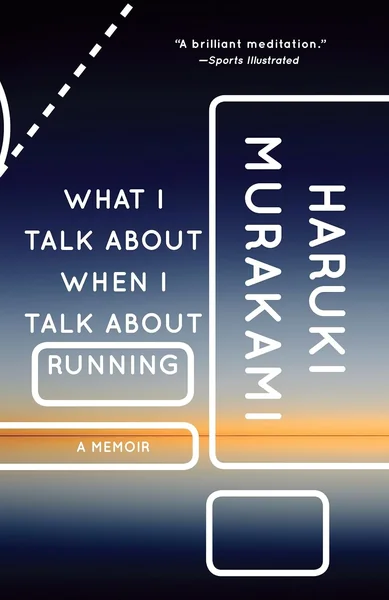
What I Talk About When I Talk About Running
A Memoir
by Haruki Murakami
LuvemBooks Verdict
Best for: Readers curious about how a globally celebrated literary novelist actually structures his creative life — particularly those drawn to the intersection of physical discipline and artistic practice.
Worth it? Skip it? Read the full verdict →Ask LuvemBooks
Was this helpful?
- Is it worth reading?
- For readers genuinely curious about how a major literary artist structures his working life, What I Talk About When I Talk About Running functions as a rare primary document — one of the few works in which Murakami writes directly about himself and his process rather than through fictional surrogates. Its tonal range, described by Penguin Random House as 'by turns funny and sobering, playful and philosophical,' gives it more emotional texture than its narrow dual-subject focus might suggest. The key caveat is patience: insights accumulate rather than arrive, and the memoir makes no concessions to readers wanting broader scope or practical takeaways. Readers who meet it on its own terms will find it genuinely illuminating.
- Similar books
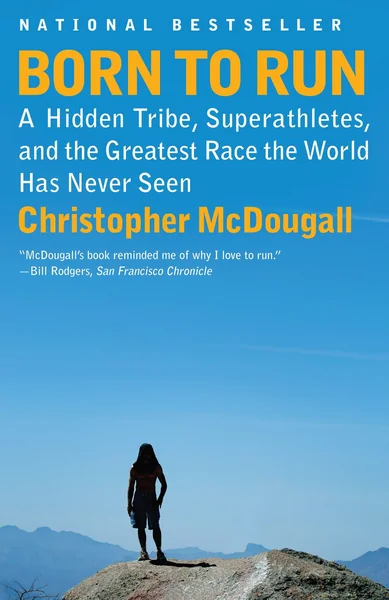
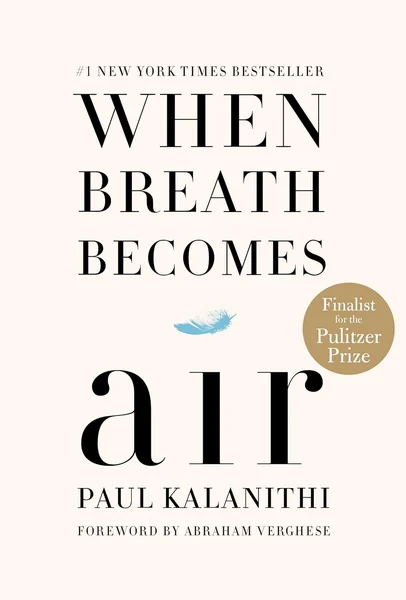
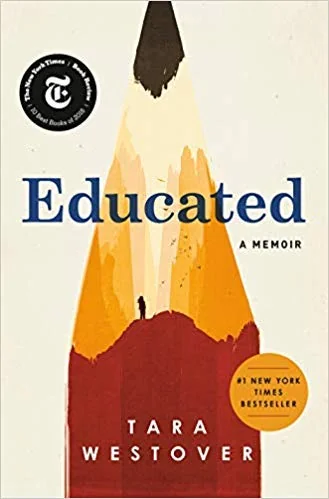
- Readers drawn to What I Talk About When I Talk About Running often respond well to memoirs that blend physical endurance with deep personal reflection. Cheryl Strayed's Wild shares the memoir's use of a solo physical journey — hiking the Pacific Crest Trail — as a vehicle for confronting grief and identity. Christopher McDougall's Born to Run approaches ultramarathon running with more narrative energy and practical fascination, making it a good counterpoint for those who want the athletic dimension foregrounded. Paul Kalanithi's When Breath Becomes Air offers a similarly ruminative examination of what gives a life meaning, written by a neurosurgeon facing terminal illness. Tara Westover's Educated, while a very different story, shares the memoir's preoccupation with how an intellectual and creative self is painstakingly constructed.
- Who should read this?
- This memoir is best suited to adult readers with a genuine interest in the inner life of creative discipline — specifically how a major literary artist like Murakami structures his working life across decades. It will resonate strongly with writers, readers of literary memoir, and anyone who has found that a solitary physical practice (running or otherwise) intersects unexpectedly with their intellectual or creative life. Readers coming to the book primarily for running advice or athletic inspiration will be disappointed — the focus is almost entirely philosophical and personal. Those who enjoyed the introspective, unhurried quality of memoirs like When Breath Becomes Air or Wild are well-positioned to appreciate what this book offers.
- What does it reveal about Murakami's creative process?
- The memoir's central argument is that running and writing are expressions of the same underlying character — a willingness to do solitary, repetitive, unglamorous work day after day with no guarantee of reward. Murakami recounts the specific moment he first decided to become a writer, using that personal episode to illustrate how creative identity is formed and tested over time. His reflections on embracing solitude as a necessary component of both his creative process and his personal growth give the book a texture well beyond conventional literary autobiography. Penguin Random House's synopsis describes it as elevating 'the human need for motion to an art form,' capturing the memoir's ambition to treat daily discipline — at the desk and on the road — as something worthy of serious examination.
- How significant is Murakami as a literary figure?
- Haruki Murakami is among the most widely read literary novelists of the modern era, with fiction translated into more than fifty languages. His record of major international honours includes the Cino Del Duca World Prize — a distinction shared with previous recipients such as Jorge Luis Borges, Mario Vargas Llosa, and Joyce Carol Oates. What I Talk About When I Talk About Running is notable in his output precisely because it is one of the few works in which he writes directly about himself rather than through fictional surrogates, making it a rare primary document for readers interested in how a singular literary voice was constructed.
- What are the book's main drawbacks?
- The memoir's very qualities define its limits. Readers expecting a conventional runner's guide, a training manual, or motivational athletic content will find almost no practical instruction here. Those coming to Murakami for the surreal, labyrinthine plotting of his fiction will encounter a register that is deliberate, spare, and inward — the pace is slow by design, and the insights accumulate rather than arrive. Various reader responses have noted that the relentless return to the same two subjects — running and writing — can feel more limiting than meditative, and the book does not offer the wider scope of a full literary autobiography.
Summarize this book
Follow up
Synthesized from verified book data & published reviews · How we review
Press Enter to ask. Answers come from our editorial Q&A — start typing to see related questions.
Age & Reading Level
Recommended age
Adult
Reading level
Adult
who it suits
Skip if you're looking for practical running advice, athletic instruction, or the surreal narrative energy of Murakami's fiction.
Editorial Review
What I Talk About When I Talk About Running is a memoir by Haruki Murakami, born out of a journal he kept while training for the New York City Marathon, exploring how his twin obsessions with long-distance running and writing illuminate each other. Penguin Random House describes it as "an illuminating glimpse into the solitary passions of one of our greatest artists" — and for readers drawn to the inner life of a creative mind in motion, it delivers something genuinely rare.
Read the Full ReviewBooks like What I Talk About When I Talk About Running
Curated picks for readers who enjoyed What I Talk About When I Talk About Running, with our reasoning for each match.
If you liked What I Talk About When I Talk About Running