Skip to content
Reviewed

Read Time

9 min read

Our age bandAdult
Reader rating
4.3 · 2,742 Amazon ratings, as of Nov 2026
reader ratings, not a LuvemBooks score
Curated & edited by

LuvemBooks Editorial

How we create our reviews →
Share This Review
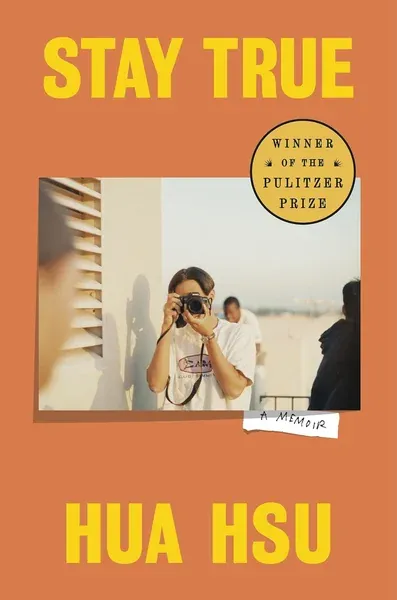
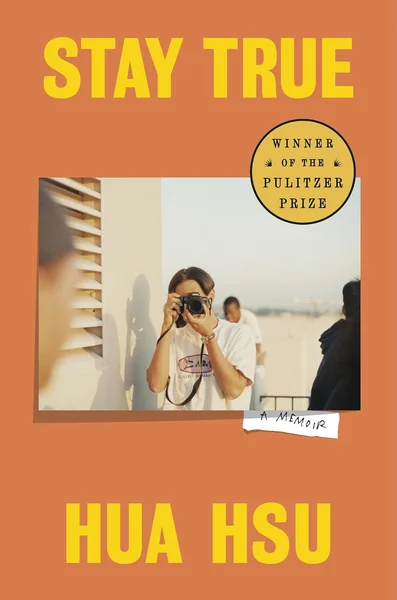
Stay True (Pulitzer Prize Winner): A Memoir by Hua Hsu front cover

Our review

Stay True

Stay True by Hua Hsu Review: A Quiet Meditation on Grief

Stay True by Hua Hsu transforms the sudden loss of a Berkeley classmate into a profound exploration of identity and memory. This slim, unsentimental memoir earns attention for its unflinching self-examination and its award-winning meditation on how grief shapes the self.

Our age band: Adultsudden violent death · grief

LuvemBooks Verdict

Best for

For readers navigating grief or searching for belonging, this unsentimental memoir offers a masterfully structured portrait of a transformative friendship and 1990s cultural identity.

Worth it if

Worth reading if you appreciate reflective literary nonfiction that uses specific pop culture details and meditative pacing to explore universal themes of loss and self-discovery.

Skip if

Skip it if you prefer fast-moving, plot-driven narratives with clear chronological timelines and definitive emotional closure.

Where reviewers agree and split

Readers rate it 4.3 on Amazon. The reviews we read that discuss it in depth agree:

  • Positive

    The Guardian · Press review: vivid, unputdownable memoir rich with painful subtext

  • Positive

    Kirkus Reviews · Press review: masterfully structured memoir exquisitely written with tenderness

  • Positive

    BookBrowse · Magazine: visceral, honest memoir with wide reader appeal

  • Positive

    Book Critics · Book blog: transformative addition to the Asian American canon

  • Positive · 5 out of 5 stars

    Booksofbrilliance · Book blog: beautifully written, deeply moving memoir with universal themes

Only Kirkus Reviews and Booksofbrilliance discuss its prose: both praise the accessible, elegant style.

Prose

Praise

“Masterfully structured and exquisitely written.”

— Kirkus Reviews · Press review
Praise

“Beautifully written and deeply moving memoir”

— Booksofbrilliance · Book blog
Overall verdicts are our summary of each review we read, from its headline, rating and conclusion. Topic counts use only words we can quote (2 reviews: 1 press review, 1 book blog).

The Guardian praises the memoir’s masterful structure and tender, unsentimental prose, while BookBrowse highlight its visceral honesty and universal appeal, noting its heavy 1990s pop culture references may challenge readers unfamiliar with the era.

“Slim and unsentimental, the memoir poses other unanswerable questions”

— The Guardian

“masterfully structured and exquisitely written.”

— Kirkus Reviews
Sources: The Guardian, Kirkus Reviews, Booksofbrilliance, BookBrowse
4.3from 2,742 Amazon ratings, as of Nov 2026— reader ratings, not a LuvemBooks score

Roro Reads reviews Stay True: A Memoir

A thoughtful review of Hua Hsu's memoir Stay True, analyzing its themes of grief, friendship, and 90s culture alongside its emotional restraint.

A BookTube review by Roro Reads, 2026 · 1.5K views · 9.8K subscribers · Watch on YouTube ·

Their views, not ours. The points are our AI summary of what they say, each playing from where they say it.

Authentic 90s music and culture

They praised the book's authentic capture of 1990s youth culture, noting how accurately it portrays how music taste dictated identity and friendships at that time.

Sharp prose and reflective ending

They highlighted the writing style as clean, concise, and precise throughout, and noted that the ending leaves a strong, lingering reflective impact.

Emotional distance and lack of connection

They felt disconnected from the text because the brevity and matter-of-fact tone did not give the friendship enough room to make its emotional impact felt.

Desire for broader character depth

Because the focus remains narrow and concise, they wished the memoir spent more time fleshing out supporting figures like Hsu's parents and college friends.

Observational over immersive storytelling

They noted that the book leans heavily into an intellectual and observational perspective rather than pulling the reader into an emotionally immersive experience.

Ask LuvemBooks

Was this helpful?

Stay True transforms the sudden loss of a Berkeley classmate into a profound meditation on memory. Worth it for readers who appreciate reflective writing that uses 1990s pop culture to explore universal grief, though those seeking momentum or clear emotional closure may find its pacing challenging.
Is it worth reading?
Yes, for readers who appreciate reflective writing that uses specific pop culture details and meditative pacing to explore themes of loss and self-discovery. The Guardian calls it a vivid, unputdownable memoir rich with painful subtext, while critics praise its masterful structure and accessible prose. However, it skips chronological timelines and definitive closure, so narrative seekers should look elsewhere.
Similar books
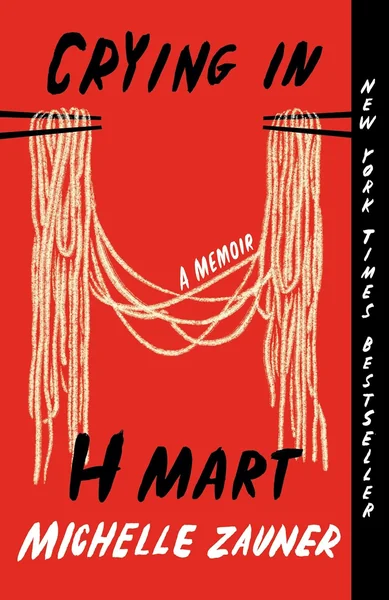
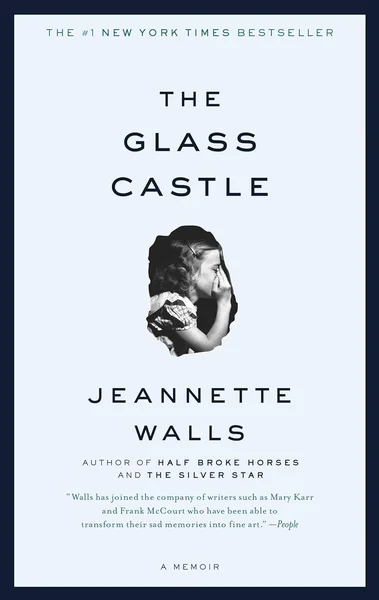
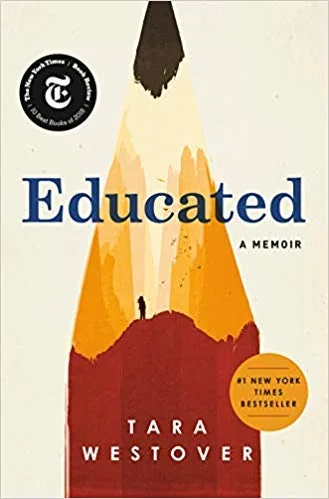
Readers who connect with its blend of personal grief and cultural commentary will likely appreciate Crying in H Mart by Michelle Zauner, The Glass Castle by Jeannette Walls, and Educated by Tara Westover. The memoir also shares thematic ground with When Breath Becomes Air by Paul Kalanithi for its meditation on mortality.
Who should read this?
This memoir is best suited for readers navigating grief or searching for belonging, offering a portrait of a transformative friendship and 1990s culture. It particularly resonates with those interested in Asian American literature, 1990s pop culture, and reflective essays on memory. It is less ideal for readers who prefer external plot-driven narratives or traditional biographical accounts.
How is the book structured?
The narrative follows a deliberate approach rather than a strict chronological timeline. Hsu moves back and forth through the late 1990s, using specific 1990s details to anchor the narrative. This approach prioritizes emotional and intellectual reflection over momentum, which may challenge readers seeking a biographical account.
How does the author portray his younger self?
Hsu subjects his past to rigorous scrutiny, openly acknowledging his cultural snobbery and self-absorption. Rather than romanticizing their college years, he focuses on the awkwardness and humor that defined their early interactions, describing himself as someone who saw a bad CD collection as evidence of moral weakness. This unflinching honesty prevents the narrative from devolving into a standard eulogy.
How does the book capture 1990s culture?
Hsu meticulously reconstructs the mundane details of 1990s California intellectual life, using specific music magazines, college anxieties, and pop culture as a shared language for two outsiders. The text functions as a time capsule of the decade, anchoring its broader philosophical inquiries about assimilation and marginalization to the grounded reality of their friendship. This era-specific backdrop provides a vivid context for their intellectual and emotional development.
Summarize this book

Summarize this book

Hua Hsu chronicles his unexpected friendship with Ken, a Japanese American student he met at UC Berkeley in the mid-1990s. After Ken's sudden death in a carjacking in 1998, Hsu preserves their shared history through notes and artifacts, weaving their conversations and divergent backgrounds into a meditation on memory and assimilation.

Follow up

What was Ken's role in the memoir?
Does the memoir offer closure?

Synthesized from verified book data & published reviews · How we review

Ask LuvemBooks

What would you like to know about Stay True?

Answers come from our editorial notes on this book. If we haven't covered something, we'll say so.

Readers often ask

Our Review

We review the evidence: published critics, book bloggers and reader verdicts, gathered and weighed with AI assistance and edited by LuvemBooks, rather than one reader's first-hand take.
The Premise and the Loss

Stay True (Pulitzer Prize Winner): A Memoir by Hua Hsu front cover
Hua Hsu introduces his unlikely friendship with Ken, a Japanese American student he met while attending the University of California, Berkeley, in the mid-1990s. Ken embraced mainstream culture through Dave Matthews Band concerts and Abercrombie & Fitch clothing, while Hsu, the son of Taiwanese immigrants, cultivated a countercultural identity through zines and record shops.
Despite their divergent backgrounds, the two formed a close bond built on late-night conversations and long drives along the California coast. Their connection ended abruptly when Ken was killed in a carjacking in 1998.
Hsu began preserving their shared history through notes and artifacts almost immediately after the tragedy. The Guardian notes that the memoir poses unanswerable questions about how to represent a person on the page.
It asks, "What does it mean to truly be yourself?" Booksofbrilliance observes that the narrative gradually becomes a moving examination of memory and cultural identity.
Hsu's approach to the material avoids romanticizing their college years, instead focusing on the awkwardness and humor that defined their early interactions. The text relies heavily on these specific, grounded details to anchor its broader philosophical inquiries.
Hsu describes his younger self as someone who initially judged Ken for his mainstream tastes and easygoing nature. This initial friction makes their eventual friendship feel earned and deeply authentic.
Hsu's recollection of their late-night discussions reveals how their differing worldviews complemented each other. These conversations allowed both young men to navigate the complexities of their respective identities.

Awards and Cultural Significance

The book has garnered significant critical recognition, including the 2023 Pulitzer Prize for Memoir or Autobiography and the 2022 National Book Critics Circle Award. It also appeared on The New York Times list of the 100 Best Books of the 21st Century.
These honors reflect its impact on contemporary nonfiction and Asian American literature. New York Magazine described the work as an evolutionary step for the genre.
The memoir navigates complex themes of assimilation, marginalization, and the search for belonging in 1990s America. The Guardian emphasizes that the text transcends simple categorization as a friendship memoir or a philosophical reflection.
Its cultural observations remain tightly anchored to the specific details of Hsu and Ken's shared experiences. The narrative also explores the tension between Hsu's Taiwanese heritage and Ken's established Japanese American family background.
This dynamic forces both young men to confront their own positions within American society. The text also examines how music and pop culture served as a shared language for two outsiders.
These cultural touchstones provide a vivid backdrop to their intellectual and emotional development. The memoir also functions as a time capsule of 1990s California intellectual life.
Hsu captures the specific anxieties and aspirations of college students during that decade.

Strengths in Prose and Introspection

Hsu employs a straightforward, accessible prose style that avoids sentimentalizing his grief. He subjects his younger self to rigorous scrutiny, acknowledging his past cultural snobbery and self-involved nature.
The Guardian points out that Hsu does not spare himself, describing his younger self as someone who saw a bad CD collection as evidence of moral weakness. The publication adds that he was "a legendarily self-involved person."
This unflinching honesty prevents the narrative from devolving into a standard eulogy. Hsu meticulously reconstructs the mundane details of their friendship, from arguing over music to visiting gas stations.
These accumulated moments coalesce into a vivid portrait of a specific era and a profound personal loss. The book demonstrates how writing can protect fragments of a life from fading entirely.
His willingness to examine his own insecurities adds a necessary layer of vulnerability to the text. The narrative also questions whether the dead can ever be accurately captured in print.
Hsu acknowledges that memory inevitably distorts the people we loved, yet he continues to write anyway. The author's background as a New Yorker staff writer informs his precise, observant narrative voice.
His editorial discipline ensures that every anecdote serves a larger thematic purpose. The text avoids digression by constantly returning to its central questions about truth and loyalty.

Limitations and Reader Suitability

The memoir's meditative structure and deliberate pacing may challenge readers who prefer fast-moving plots or traditional biographical accounts. Its heavy focus on 1990s pop culture, music magazines, and college life might feel dated to readers unfamiliar with that specific cultural moment.
While the prose is accessible, the philosophical weight of its themes requires patience and reflection. Booksofbrilliance recommends the book for readers who enjoy reflective memoirs and literary nonfiction.
It specifically notes that the text will resonate with anyone who has lost someone before feeling prepared to say goodbye. The narrative does not offer easy closure, leaving grief as an ongoing, unresolved presence.
Readers seeking a clear chronological timeline may find the thematic jumps disorienting. The text demands that audiences engage with its questions rather than simply consume its events.
The slim physical format belies the dense intellectual labor required to navigate its pages. Audiences looking for traditional resolution may find the open-ended conclusion unsatisfying.
The book's UK publication date follows its initial US release by a year, reflecting its steady international appeal. This timeline demonstrates the memoir's enduring relevance beyond its initial publication window.
The cultural references may be slightly less immediate but equally poignant.

Our Take on the Reception

The Guardian calls the book a vivid, unputdownable memoir rich with painful subtext, noting it is impossible to put down. Kirkus Reviews praises the masterfully structured memoir exquisitely written with tenderness, calling it a stunning, intricate memoir.
BookBrowse highlights the visceral, honest memoir with wide reader appeal, describing it as a visceral, honest memoir. Booksofbrilliance awards 5 out of 5 stars to a beautifully written, deeply moving memoir with universal themes, calling it a beautifully written and deeply moving memoir.
Readers who approach the book with an open mind will find it deeply rewarding. The critical acclaim confirms that the text successfully bridges personal grief and broader cultural commentary.

Sources & Further Reading

The key facts and claims in this review are grounded in the retrieved, verified sources listed below.

  1. Cited in this review
  2. 1
  3. 2
  4. 3
  5. Further reading
  6. 4
  7. 5
  8. 6
  9. 7
  10. 8
  11. 9
  12. 10
  13. 11

    bookbrowse.com

Age & Reading Level

Our age band

Adult

Our age band groups books for browsing; it isn't an age a review gave.

Content to know about

sudden violent death
grief
cultural assimilation

Skip if you prefer fast-moving, plot-driven narratives with clear chronological timelines and definitive emotional closure

Hua Hsu on Stay True

Hua Hsu reads from and discusses his memoir Stay True in conversation with Ken Chen at the New York Public Library's Cullman Center.

Uploaded by The New York Public Library, 2022 · Watch on YouTube ·

More from this interview on Hua Hsu's page →

Originating the memoir in 1998

Hsu says he originally drafted many sentences in the book in 1998 right after his friend Ken was killed, using writing as a refuge.

Using humor to convey tragedy

Hsu explains that realizing the value of self-deprecating humor helped him see that the joyful moments of youth did not diminish the tragedy, but actually explained its weight.

Limiting dramatized scenes and name-drops

Hsu avoided writing traditional dramatized scenes or over-specifying pop culture references to prevent pulling the reader out of the sensation of memory.

Cutting historical analysis from the book

Hsu originally drafted passages explaining 1990s globalization and culture wars, but cut them because as a college student he only felt those forces rather than understood them.

Caricaturing only himself

Hsu felt comfortable portraying himself as a flawed, embarrassing character in the memoir, but deliberately took care to protect his friends from being caricatured.

From our readers

Reader reviews

No LuvemBooks readers have answered yet.

Read it? Was it right for you?

Discussion

Reader comments