BOOKS
Published
Read Time
5 min read
Our Rating
3.5
Share This Review
My Year of Really Bad Dates: A Memoir
Our Rating
3.5
A disciplined, wry memoir that uses a year of romantic misadventure as a vehicle for genuine self-examination, let down slightly by a studied self-awareness that occasionally substitutes for the deeper emotional risk the material demands.
In This Review
- What Works & What Doesn't
- A Year as Structural Spine
- Voice, Tone, and the Humor Question
- The Dates Themselves — and What They Represent
- Emotional Honesty and Its Limits
- Who This Memoir Is For
What Works & What Doesn't
What Works
- Precise, controlled prose with a reliable eye for specific, telling detail
- Structural discipline — the year-as-frame creates genuine emotional accumulation rather than mere episode-stringing
- Tonal complexity that rewards readers who want more than pure comedy
- Resists easy retrospective wisdom, preserving the messiness of the period it documents
- The introspective dimension distinguishes it from more anecdote-driven memoirs in the same genre
What Doesn't
- The ironic register occasionally holds readers at emotional arm's length, limiting the depth of connection
- Individual encounter scenes can be abandoned for self-reflection before they are fully inhabited
- The tonal ambiguity between comedy and confession may frustrate readers with clear expectations in either direction
A Year as Structural Spine

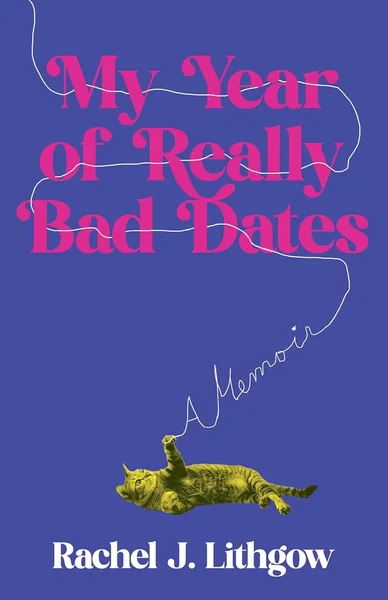
My Year of Really Bad Dates: A Memoir by Rachel Lithgow front cover
A memoir that earns its structure rather than merely borrowing it. Using a single year as the memoir's organizing frame is a well-worn device, but Lithgow deploys it with more discipline than the format usually demands. The chronological structure creates genuine forward momentum: each encounter accumulates, and the book develops a cumulative emotional logic that a looser arrangement would undercut. What begins as what might read as a collection of anecdotes gradually reveals itself as a portrait of a specific psychological moment — the period in which a person decides, consciously or otherwise, what they actually want from intimacy rather than what they have been defaulting to.
The main strength of the memoir is that Lithgow resists the easy retrospective wisdom that often flattens this kind of writing. She does not arrive at tidy conclusions before the reader is ready to receive them. The messiness of the year is preserved rather than neatened, and that structural honesty is rarer than it should be in personal nonfiction.
Voice, Tone, and the Humor Question
The question of whether My Year of Really Bad Dates is primarily funny or primarily serious is the right question to ask before picking it up, and the honest answer is that it is neither cleanly. Lithgow writes with a dry, observational wit that surfaces reliably throughout, but the comedy is rarely the point in itself. It functions more as emotional deflection — a technique the narrative explicitly examines — and the book is at its most interesting when it interrogates why the author reaches for humor in precisely the moments that most resist it.
This tonal complexity makes the memoir more demanding than a straightforward comic read. Readers arriving purely for entertainment may find the introspective passages slow. Readers expecting confessional emotional excavation may find the ironic register keeps them at arm's length. That tension is, arguably, the book's central subject as much as any individual date — but it does mean Lithgow's audience is narrower than the breezy title might suggest.
The prose itself is clean and controlled, with a conversational register that never becomes sloppy. Lithgow has an eye for the specific, telling detail — the kind of observation that makes a scene click into focus rather than blur into generic anecdote. That precision is what elevates the writing above the crowded field of personal experience memoirs: where a vaguer writer would give you a type, Lithgow gives you the exact wrong thing a person said at the exact wrong moment.
The Dates Themselves — and What They Represent
It would be a misreading to treat this memoir primarily as a catalogue of bad romantic encounters, though the individual episodes provide both the book's comedic fuel and its emotional anchors. The dates Lithgow describes are rendered with enough specificity to feel real, but crucially, they are not the focus. The memoir is more interested in what each encounter reveals about Lithgow's assumptions, patterns, and evolving self-understanding than in delivering satisfying portraits of romantic disaster for its own sake.
This is a considered choice that distinguishes Lithgow's approach from more anecdote-driven memoirs in the same vein, but it does carry a risk. Readers who want the cathartic pleasure of vivid, fully-drawn encounter portraits may find the introspective pivot happens too quickly — that Lithgow turns the lens inward before she has fully inhabited the scene outward. It is a recurring structural tendency that more experienced memoir readers will notice and that some will find frustrating.
Emotional Honesty and Its Limits
Where My Year of Really Bad Dates is most persuasive, it models something genuinely difficult: the willingness to examine one's own role in patterns of disappointment without either self-flagellation or defensive deflection. Lithgow neither catastrophizes nor minimizes, and the emotional calibration throughout is largely trustworthy.
The main weakness, and it is worth naming plainly, is that the memoir occasionally retreats into a studied self-awareness that becomes its own form of armor. There are moments where the analytical distance that makes Lithgow's voice so readable also prevents the deeper emotional exposure that the best memoirs risk. The book gestures toward vulnerability more often than it fully inhabits it, and readers sensitive to that distinction will feel the gap. It does not undermine the work, but it does leave a sense that a more unguarded version of this story exists somewhere beneath the one on the page.
Who This Memoir Is For
The ideal reader for this book is someone who has experienced the specific exhaustion of sustained dating in contemporary life and wants a memoir that takes that experience seriously without treating it as tragedy. Lithgow is not writing a recovery narrative, a dating manual, or a romance. She is writing a portrait of a particular kind of psychological reckoning — one that resists tidy resolution and rewards patience over catharsis. The cat on the cover — watchful, dry, unmoved — is the most accurate guide to what awaits.
Readers drawn to Primates of Park Avenue or similar urban personal-essay memoirs with a streak of sociological self-examination will find Lithgow's sensibility congenial. Those seeking emotional catharsis or narrative resolution should calibrate their expectations — this book earns its insights quietly, not with a release.
Frequently Asked Questions
Is My Year of Really Bad Dates worth reading?
It depends on your expectations going in. The reviewer rates it 3.5 out of 5 and says it rewards readers who appreciate a blend of dry comedy and genuine self-examination, but warns that its tonal complexity makes it a narrower audience book than the breezy title might suggest.
Who is the target audience for My Year of Really Bad Dates?
The reviewer suggests fans of self-aware dating memoirs and books like I Thought It Was Just Me will find familiar emotional territory here. Readers who want pure entertainment or pure emotional excavation may both feel underserved, as the book sits between those modes.
Is My Year of Really Bad Dates funny or serious?
The honest answer, according to the reviewer, is that it is neither cleanly. Lithgow writes with a dry, observational wit that surfaces throughout, but the comedy functions more as emotional deflection than as an end in itself, and the memoir explicitly examines that tendency.
What are the main themes in My Year of Really Bad Dates?
The central themes are romantic failure as a vehicle for self-understanding, the use of humor as emotional deflection, and the process of consciously deciding what one actually wants from intimacy rather than defaulting to old patterns. The bad dates themselves are less the subject than what each encounter reveals about the author's assumptions and evolving self-awareness.
How does Rachel Lithgow structure the memoir?
Lithgow uses a single year as the organizing frame, which the reviewer notes is a well-worn device but one she deploys with more discipline than usual. The chronological structure creates genuine forward momentum, and the accumulation of encounters builds a cumulative emotional logic that a looser arrangement would have undercut.
What does the reviewer say is the main strength of the book?
The reviewer identifies Lithgow's resistance to easy retrospective wisdom as the memoir's main strength. She preserves the messiness of the year rather than neatening it into tidy conclusions, which the reviewer calls rarer than it should be in personal nonfiction.
What are the main criticisms or limitations the reviewer raises?
The reviewer identifies a recurring structural tendency where Lithgow turns the lens inward before fully inhabiting a scene outward, meaning readers who want vivid, fully-drawn encounter portraits may feel the introspective pivot happens too quickly. The tonal tension between comedy and confession also means the book's audience is narrower than its title implies.
How would you describe Rachel Lithgow's writing style?
The reviewer describes the prose as clean, controlled, and conversational without becoming sloppy. Lithgow has an eye for the specific, telling detail that makes scenes click into focus rather than blur into generic anecdote, and that precision is credited with elevating the writing above the crowded personal experience memoir field.
Are the individual dates in the memoir described in detail?
The unnamed individuals who populate Lithgow's year are rendered with enough specificity to feel real, but they are not the focus of the memoir. The reviewer notes this is a considered choice that distinguishes Lithgow's approach from more anecdote-driven memoirs, though it risks frustrating readers who want fully inhabited scene portraits.
What does the cat on the cover of My Year of Really Bad Dates signify?
The reviewer reads the cat illustration as an effective tone signal, describing it as having the energy of a creature that has witnessed its owner's romantic life and remains profoundly unimpressed. The cover choice is called affectionate, self-deprecating, and slightly absurdist, and the reviewer says it accurately signals what the pages inside are doing.
How does My Year of Really Bad Dates compare to similar dating memoirs?
The reviewer compares it favorably to the self-aware end of the dating-experience memoir shelf and mentions I Thought It Was Just Me as a touchstone for familiar emotional territory. Lithgow is credited with carving out a distinct voice that feels genuinely personal rather than genre-formulaic, which sets it apart from more anecdote-driven entries in the same vein.
Does the memoir offer any practical takeaways or self-help angle?
The memoir is not primarily prescriptive, but the reviewer notes it charts the process of arriving at conscious self-understanding about intimacy and desire rather than defaulting to old patterns. The insight emerges through structure and reflection rather than through explicit advice.
Will readers who want a fast, entertaining read enjoy this book?
The reviewer cautions that readers arriving purely for entertainment may find the introspective passages slow. The dry wit surfaces reliably, but it is in service of a more demanding emotional and structural project that requires patience with inward turns.
Is the humor in My Year of Really Bad Dates the kind that stands on its own?
According to the reviewer, the comedy is rarely the point in itself. It functions as emotional deflection, and the book is described as most interesting precisely when it interrogates why the author reaches for humor in the moments that most resist it.
Is the one-year structure of the memoir effective?
The reviewer considers it more effective than the format usually demands, noting that what begins as a collection of anecdotes gradually reveals itself as a portrait of a specific psychological moment. The discipline with which Lithgow handles the chronological frame is singled out as a genuine structural achievement.
Does the reviewer think Rachel Lithgow's voice feels authentic or formulaic?
The reviewer says Lithgow's voice feels genuinely personal rather than genre-formulaic, which is offered as a meaningful distinction in a crowded memoir field. The precision of her observational detail is specifically credited with making the writing resonate rather than fade.
What kind of reader might be frustrated by My Year of Really Bad Dates?
Two types of reader may be frustrated: those expecting a straightforward comic read who find the introspective passages slow, and those expecting deep confessional emotional excavation who find the ironic register keeps them at arm's length. The reviewer frames this tonal tension as arguably the book's central subject, but acknowledges it limits the audience.
Is the retrospective framing handled well in this memoir?
The reviewer praises Lithgow for resisting the easy retrospective wisdom that often flattens personal nonfiction. She does not impose tidy conclusions before the reader is ready to receive them, and that structural honesty is highlighted as a distinguishing quality.
Related Reviews
Reviews of books we picked for readers who enjoyed My Year of Really Bad Dates.



Reader Comments
No comments yet
Be the first to share your thoughts!