9 min read
4.1
· 54 Amazon ratingsShare This Review

Our review
My Year of Really Bad Dates
My Year of Really Bad Dates by Rachel Lithgow Review: A Raw, Funny Midlife Memoir
Rachel Lithgow's debut memoir, published by She Writes Press on November 11, 2025, chronicles her year of spectacularly ill-fated online dates in the aftermath of a gutting breakup—while simultaneously navigating a 22-year divorce, single motherhood, career reinvention, and a PTSD diagnosis. Kirkus Reviews awarded it their "Get It" verdict, calling it "funny, honest, and heart-wrenching," and the book delivers exactly what its title promises: the dates are, indeed, really bad.
LuvemBooks Verdict
Best for
Midlife readers — particularly women navigating divorce, re-entry into dating, grief, or identity reinvention after 40 — who want those experiences rendered with honesty and wit rather than reassuring gloss.
Worth it if
You can hold comedy and real emotional weight in the same hand — if a memoir that is simultaneously a dating chronicle, a divorce narrative, a grief story, and a PTSD recovery account sounds like ambition rather than overreach.
Skip if
You're coming for a breezy, laughs-only dating comedy and would prefer to skip the genuinely heavy emotional terrain — the darkness here is real and Lithgow does not soften it, and Joe's recurring drift in and out of the narrative resists the clean resolution some readers prefer.
What readers & critics say
Kirkus Reviews awarded the book their "Get It" endorsement and called it "funny, honest, and heart-wrenching," singling out Lithgow's humor and her unflinching portrayal of family trauma as particular strengths for a debut memoir. BookLife (via barnesandnoble.com) described it as "a raw, bitingly funny, and heart-bruised memoir," while the book blog Mandy's Book Nook called it "a gem — a breezy, hilarious, and surprisingly moving account."
“Funny, honest, and heart-wrenching; true to the title, the dates are really bad.”
— Kirkus ReviewsAsk LuvemBooks
Was this helpful?
- Is it worth reading?
- For the right reader, the answer is a clear yes. Kirkus Reviews awarded the memoir their 'Get It' verdict — a meaningful endorsement for a debut — and praised it as 'funny, honest, and heart-wrenching.' The humor is grounded and specific: Lithgow's invention of 'dating math,' an algorithm she mentally applies to every profile to pre-correct for the gap between stated and actual age and height, is the kind of wry comedic craft that earns genuine laughs. The caveat is that the book is not a breezy dating comedy; the descriptions of verbal abuse from her in-laws and her own family are, per Kirkus, 'hair-raising,' and the emotional weight of grief, divorce, and PTSD recovery is real and unsparing.
- Similar books
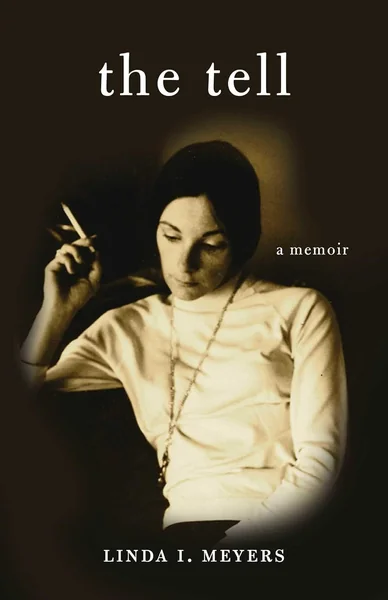
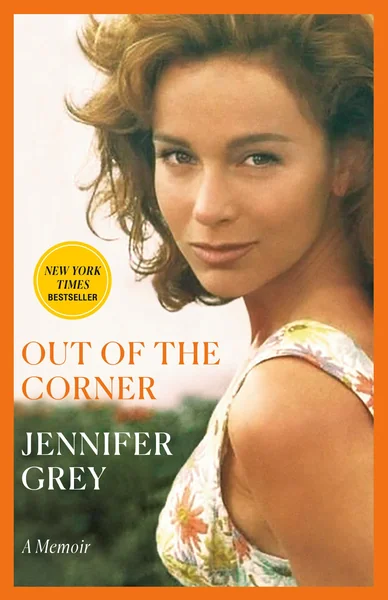
- Readers drawn to My Year of Really Bad Dates will find strong companions in the curated memoirs below. Linda I. Meyers' The Tell: A Memoir and Strangers Again: A Memoir of Marriage, Betrayal, and Becoming Whole share its unflinching examination of fractured intimate relationships and the long work of becoming whole after them. Out of the Corner: A Memoir by Jennifer Grey and Finding Him, Finding Me: A Memoir About Love, Laughter offer parallel explorations of reinvention and identity in the aftermath of major life upheaval. For readers drawn to the PTSD and family-trauma thread in Lithgow's memoir, Tara Westover's Educated: A Memoir — a portrait of self-reconstruction after a chaotic and damaging upbringing — makes a powerful companion read.
- Who should read this?
- My Year of Really Bad Dates is designed for readers who have navigated midlife upheaval — divorce, re-entry into dating, grief, career reinvention, or the particular disorientation of starting over after 40 — and who want those experiences rendered with honesty and wit rather than reassuring gloss. It will resonate especially with women in or past their 40s who recognize the specific indignities of online dating after a long relationship, but the emotional breadth of the memoir — PTSD, single motherhood, family trauma — extends its appeal to anyone who has had to rebuild a sense of self after a period of sustained loss. Readers who prefer breezy, comedic memoirs with minimal emotional weight should approach with adjusted expectations.
- What are the main themes?
- The memoir operates on several overlapping layers simultaneously. The most visible is the comedy of modern online dating — each bad date functions as both comic relief and emotional marker — but running beneath it are themes of grief (Lithgow's father's death and the end of a significant relationship), divorce and its aftermath, single motherhood, and PTSD rooted in a chaotic family upbringing. A significant thread is Lithgow's RTT work with Dr. Z — Rapid Transformational Therapy, described in the memoir as 'a combination of hypnosis, talk therapy, and coaching' — which becomes the mechanism through which she confronts what Kirkus calls 'the darkest, saddest, angriest parts of herself.' Undergirding all of it is a theme of reinvention: what it means to rebuild a professional and personal identity in midlife from near-scratch.
- Any content warnings?
- Readers should be aware that despite the comedic title, My Year of Really Bad Dates contains passages of real emotional darkness. Kirkus Reviews describes accounts of verbal abuse from both Lithgow's in-laws and her own family as 'hair-raising,' and the memoir includes a formal PTSD diagnosis rooted in family trauma. The book also deals with grief (a father's death), the emotional fallout of divorce, and the particular disorientation of a breakup with someone described as the first person ever to make Lithgow feel completely safe. The darkness is not decorative — it is the book's emotional core — and readers sensitive to these themes should approach with that awareness.
- Is this a strong debut?
- By the available critical measure, yes. A Kirkus Reviews 'Get It' verdict is a meaningful endorsement at any career stage, and earning it on a debut memoir — one that attempts to hold comedy, grief, PTSD recovery, and divorce simultaneously without collapsing into a single note — represents a genuine achievement. The review also notes an unusual origin: the book began as a fifty-page poem before evolving through hundreds of pages of further poetry and finally into prose, a genesis that may explain the emotional intensity that distinguishes it from more conventional memoir writing.
Summarize this book
Follow up
Synthesized from verified book data & published reviews · How we review
What would you like to know about My Year of Really Bad Dates?
Answers come from our editorial notes on this book. If we haven't covered something, we'll say so.
Readers often ask
Our Review
We review the evidence: published critics, reader verdicts and BookTube reviews, gathered and weighed with AI assistance and edited by LuvemBooks, rather than one reader's first-hand take.
What the Book Is — and What Actually Happens
The Deeper Stakes: Divorce, Grief, and a PTSD Diagnosis
Where the Writing Shines
Genuine Limitations
Who This Book Is For
Sources & Further Reading
The key facts and claims in this review are grounded in the retrieved, verified sources listed below.
- Cited in this review
- 1
- Further reading
- 2
kirkusreviews.com
- 3
- 4
racheljlithgow.com
- 5
- 6
- 7
app.thestorygraph.com
- 8
- 9
- 10
Age & Reading Level
Recommended age
Adult
4 content notes · who it suits
Content to know about
Best for: Adults — the memoir addresses divorce, PTSD, family trauma, and the specific emotional landscape of midlife reinvention; content and context are written for and about adult experience.
Skip if you're looking for a light, breezy dating comedy with minimal emotional weight.
Reader reviews
Be one of the first readers to answer.
Read it? Was it right for you?
Books like My Year of Really Bad Dates
Curated picks for readers who enjoyed My Year of Really Bad Dates, with our reasoning for each match.
If you liked My Year of Really Bad Dates