

9 min read
4.5
· 31 Amazon ratingsShare This Review
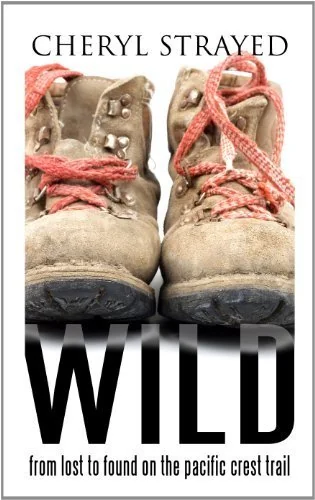
Wild: From Lost to Found on the Pacific Crest Trail by Cheryl Strayed Review: A Landmark Memoir of Grief and Grit
Cheryl Strayed's memoir Wild: From Lost to Found on the Pacific Crest Trail recounts her 1,100-mile solo hike along the Pacific Crest Trail in 1995 — a journey undertaken at age 26, with no prior hiking experience, as an act of self-rescue after her mother's death, the collapse of her marriage, and a descent into heroin use. It reached No. 1 on the New York Times Best Seller list, was the inaugural selection for Oprah's Book Club 2.0, and spent 52 weeks on the NPR Hardcover Nonfiction Bestseller List — a record of cultural impact matched by its literary reputation.
LuvemBooks Verdict
Best for
Readers of literary memoir who are drawn to stories of grief, identity, and hard-won recovery told with unflinching emotional honesty and genuine prose craft — particularly those who value interiority over landscape description.
Worth it if
You want a memoir that braids physical endurance with deep psychological self-examination, and you're willing to sit with emotional turbulence and unresolved edges rather than a tidy arc of redemption.
Skip if
Skip it if you're coming primarily for a trail-focused outdoors narrative with rich topographical detail, or if you prefer personal nonfiction that maintains a measured narrative distance from its subject's most destructive choices.
What readers & critics say
The Guardian called Wild "hugely entertaining," crediting Strayed with taking "the redemptive nature of travel — a theme as old as literature itself — and mak[ing] it her own," while Bookmarks.reviews synthesised critical consensus noting that what makes the account "so special is its serious analysis of what being alone in the wild really means." Wikipedia records that the memoir reached No. 1 on the New York Times Best Seller list and was the first selection for Oprah's Book Club 2.0, reflecting its exceptional cross-audience reach.
“In this hugely entertaining book, Cheryl Strayed takes the redemptive nature of travel and makes it her own.”
— The Guardian“By the third chapter I was hooked — a book about hiking? Could be hit or miss, but Wild proved me wrong.”
— A Little AdriftAge & Reading Level
Recommended age
Ages 17+
Reading level
Adult
5 content notes · who it suits
Content to know about
Best for: Adults / mature 17+ — explicit discussion of heroin use, sexual content, infidelity, and raw depictions of grief and self-destructive behaviour.
Skip if you want a trail-focused outdoors narrative with rich environmental description rather than an emotionally turbulent interior memoir.
Wild: From Lost to Found on the Pacific Crest by Cheryl Strayed is Trending
Cheryl Strayed's Work Back in the Conversation Thanks to Ongoing Adaptations and Cultural Buzz
Wild is getting a fresh wave of attention as readers circle back to Cheryl Strayed's work. With the Tiny Beautiful Things miniseries — which imagines an alternate version of Strayed who never hiked the PCT — still in the cultural conversation, plenty of viewers are heading straight to Wild next.
If you've been seeing Wild pop up in reading lists and recommendations lately, it's largely thanks to renewed interest in Cheryl Strayed as a whole. The Tiny Beautiful Things miniseries, produced by Reese Witherspoon's Hello Sunshine and starring Kathryn Hahn, is described by its creator as depicting an alternate version of Strayed — one who never took that famous hike along the Pacific Crest Trail. That framing is basically a direct invitation for new audiences to go read Wild and understand exactly what that hike meant.
That kind of cross-pollination between adaptations is a real driver for memoir readers. Strayed's story — a solo 1,100-mile hike undertaken with no real hiking experience, as a way to pull her life back together after her mother's death and a period of serious self-destruction — doesn't lose its punch no matter how many times it cycles back into the spotlight. It's the kind of book that feels personal every time someone discovers it.
If you haven't read Wild yet and you've been watching or hearing about anything Strayed-related recently, this is a good moment to pick it up. It's a fast, gripping read, and the context you'll get on her life makes everything else she's written hit harder.
In This Review
- What Works & What Doesn't
- What the Memoir Is and What It Contains
- Literary Craft and Narrative Structure
- Cultural Significance and Reception
- Genuine Limitations and Who May Struggle With It
- Who This Book Is For
What Works & What Doesn't
What Works
- Reached No. 1 on the New York Times Best Seller list and spent 52 weeks on the NPR Hardcover Nonfiction Bestseller List, reflecting sustained popular and critical engagement
- Critical coverage critics Dani Shapiro and Dwight Garner both praised the memoir's literary craft and the success of its dual-timeline structure braiding trail present with biographical past
- The Guardian called it 'hugely entertaining,' crediting Strayed with making the ancient theme of redemptive travel distinctly her own
- Unsparing candor about grief, addiction, and self-destruction gives the memoir an emotional weight that sets it apart from more conventional recovery narratives
- Named the No. 1 memoir and autobiography of 2012 by the Goodreads Choice Awards and selected as the inaugural pick for Oprah's Book Club 2.0, reflecting wide cross-audience resonance
What Doesn't
- Readers seeking a trail-focused outdoors narrative may find the physical landscape given less descriptive attention than the author's interior experience — a deliberate structural choice, but one that shapes what kind of book this is
- The memoir's unflinching, emotionally turbulent register and unresolved edges may not suit readers who prefer distance or clear narrative closure in personal nonfiction
What the Memoir Is and What It Contains
Literary Craft and Narrative Structure
Cultural Significance and Reception
Genuine Limitations and Who May Struggle With It
Who This Book Is For
Frequently Asked Questions
Sources & Further Reading
The key facts and claims in this review are grounded in the retrieved, verified sources listed below.
- Cited in this review
- 1
- 2
en.wikipedia.org
- 3
- Further reading
- 4
- 5
- 6
alittleadrift.com
- 7
- 8
- 9
- 10
newbookrecommendation.com
Related Reviews
Reviews of books we picked for readers who enjoyed Wild.
Reader Comments
No comments yet
Be the first to share your thoughts!