8 min read
4.6
· 3,512 Amazon ratingsShare This Review
Our review
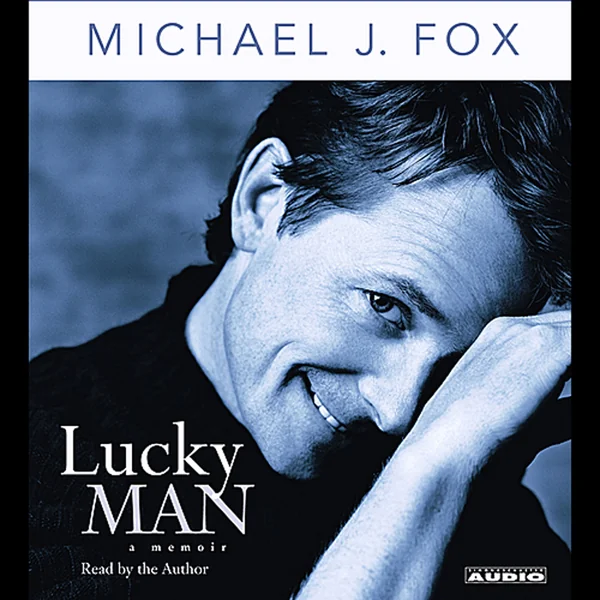
Lucky Man: A Memoir by Michael J. Fox Review: A Candid, Witty Celebrity Memoir Best Heard Live
Michael J. Fox's Lucky Man is a disarmingly honest and self-deprecating memoir about fame, illness, and gratitude — and the audiobook edition, narrated by Fox himself, delivers the material with a personal directness the printed page cannot replicate.
LuvemBooks Verdict
Best for
Fans of Michael J. Fox and readers drawn to candid celebrity memoirs who want to hear Fox's Parkinson's journey — and his full life story from Canadian childhood to Hollywood stardom — told in his own voice, in an accessible single-sitting audiobook.
Worth it if
You want a celebrity memoir that earns its emotional weight through wit and honesty rather than sentiment, especially in the self-narrated audio edition where Fox's own voice adds a layer of meaning no third-party narrator could replicate.
Skip if
You need Fox's complete account without cuts, or want to use the text as a searchable reference for his Hollywood career or Parkinson's advocacy history — for those purposes, the unabridged print edition is the better choice.
What readers & critics say
BookBrowse describes the memoir as "a revealing, heartfelt, and ultimately inspirational story," praising Fox for bringing "the same sharp intelligence and self-deprecating wit that made him a star" and calling it "a lot punchier than the usual up-from-illness celebrity memoir." OverDrive surfaces a Charlotte Observer pull-quote noting that "most celebrity memoirs bristle with braggadocio, but Fox lays bare his soul with a humility and honesty uncharacteristic of this genre."
Sources: BookBrowse, OverDriveAsk LuvemBooks
Was this helpful?
- Is it worth reading?
- For anyone interested in candid celebrity memoir, Lucky Man stands well above the genre average. BookBrowse credits Fox's sharp intelligence and self-deprecating wit with making it 'a lot punchier than the usual up-from-illness celebrity memoir,' and notes it is both readable and witty in a way that 'reminds you why it was generally a pleasure to watch Fox onscreen.' The audiobook edition — narrated by Fox himself — is described by critics at the U.S. Book Show as 'a perfect match,' with Fox's familiar voice making the material 'infinitely more powerful than reading it on the page.' The one genuine caveat is that this edition is abridged: listeners who want the full texture of Fox's account should seek out the unabridged print or audio version.
- Similar books
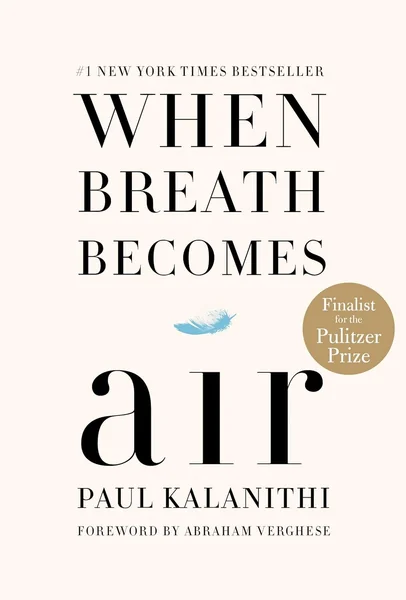
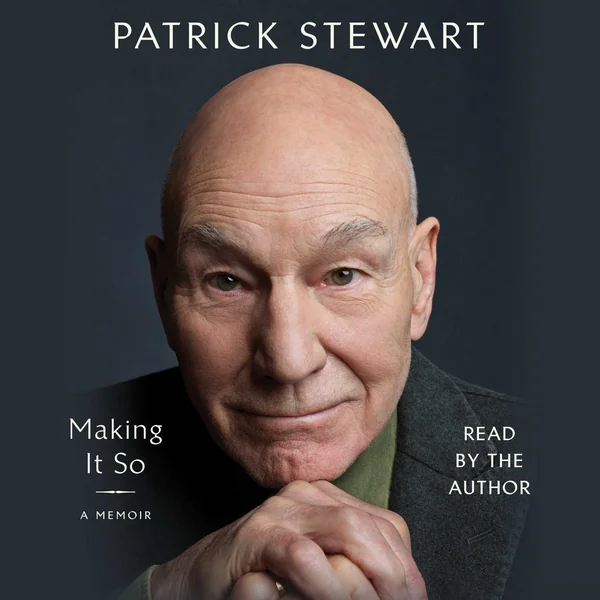
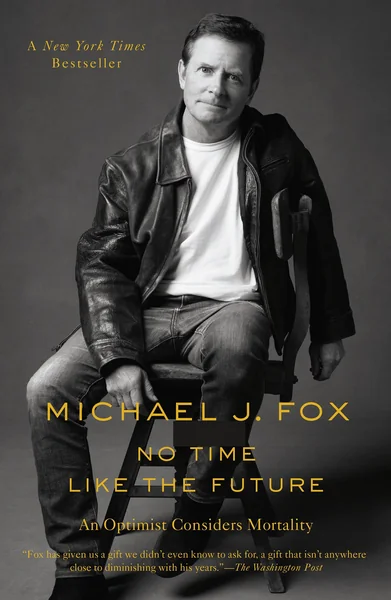
- Readers who connect with Lucky Man will find natural companions in several memoirs curated alongside it. Fox's own follow-up, No Time Like the Future, continues the story and shares the same candid, humor-laced voice. When Breath Becomes Air by Paul Kalanithi offers a similarly profound reckoning with illness and mortality, though written by a physician facing terminal cancer rather than a celebrity. Patrick Stewart's Making It So: A Memoir and Jennifer Grey's Out of the Corner: A Memoir both deliver candid accounts of iconic entertainment careers, while Educated: A Memoir by Tara Westover represents the broader tradition of life-writing defined by resilience and honest self-examination.
- Who should read this?
- The abridged audiobook edition of Lucky Man is a strong fit for listeners already drawn to Fox's public story, fans of candid celebrity memoir, and anyone interested in Parkinson's advocacy as a throughline rather than a footnote. It also rewards readers who typically find illness narratives too earnest — Fox's self-deprecating wit and ironic sensibility, which BookBrowse describes as the qualities that 'made Michael J. Fox a star,' distinguish it from the inspirational-but-vague end of the celebrity illness shelf. The self-narration makes the audiobook the preferred entry point, though readers who want Fox's complete account without abridgement should opt for the unabridged print edition.
- What sets this apart from other celebrity memoirs?
- Three things distinguish Lucky Man from the crowded celebrity illness memoir shelf. First, Fox wrote every word himself — no ghostwriter — giving the narrative a consistent, identifiable voice rather than the smoothed-out quality common to co-written celebrity books. Second, his trademark ironic sensibility and self-deprecating wit, which BookBrowse credits with making it 'a lot punchier than the usual up-from-illness celebrity memoir,' prevent the book from tipping into sentiment or self-pity. Third, the memoir is structurally balanced: Parkinson's is woven through earlier chapters in a way that reframes what might have looked like straightforward Hollywood success, rather than being siloed into a diagnosis chapter bolted onto a standard career retrospective.
- What's special about the audiobook edition?
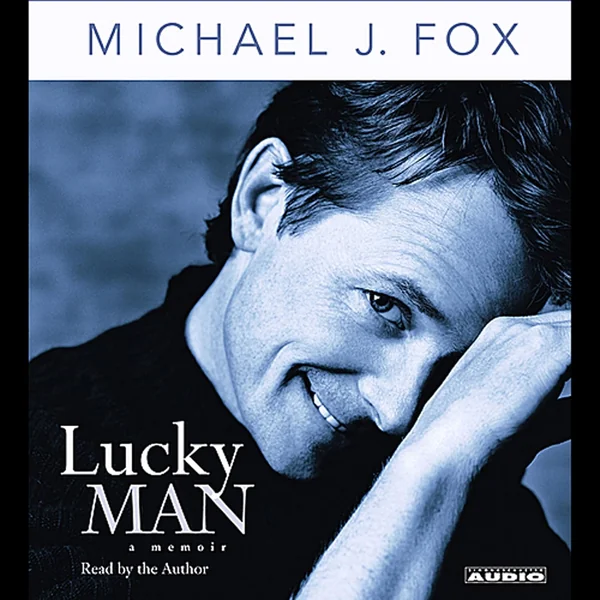
- The Simon & Schuster Audio abridged edition, released May 11, 2007, is narrated by Fox himself — and that self-narration is described by critics at the U.S. Book Show as making the material 'infinitely more powerful than reading it on the page.' The significance runs deeper than sentiment: Fox's Parkinson's diagnosis is bound up with public questions about how his voice and physical presence would hold up, so hearing him narrate his own story adds a layer of meaning no third-party narrator could replicate. At 5 hours and 30 minutes, the abridged edition is suited to a single day's listening or a long commute. The trade-off is that this edition is abridged, so listeners who want Fox's complete account should seek the unabridged print or audio version.
- Where should I start with Michael J. Fox's writing?
- Lucky Man is the natural starting point — it is Fox's first memoir and the foundational account of his life from his western Canadian childhood through his Hollywood career and his first years of Parkinson's advocacy. Readers who finish it and want to continue with Fox's story can turn to No Time Like the Future, his follow-up memoir, which covers the later stages of his experience with Parkinson's and is also in the LuvemBooks catalogue.
Summarize this book
Follow up
Synthesized from verified book data & published reviews · How we review
Press Enter to ask. Answers come from our editorial Q&A — start typing to see related questions.
Age & Reading Level
Recommended age
Adult
Reading level
Adult
2 content notes · who it suits
Content to know about
Skip if you want an unabridged, complete account — this audiobook edition is condensed and omits portions of Fox's full memoir.
Our Review
What the Book Actually Is and Does
Its Significance and Place in the Genre
The Audiobook as the Right Format
Genuine Strengths
Who This Edition Is For, and Where It Falls Short
Sources & Further Reading
The key facts and claims in this review are grounded in the retrieved, verified sources listed below.
- Cited in this review
- 1
books.google.com
- 2
barnesandnoble.com
- Further reading
- 3
- 4
Open Library
Books like Lucky Man
Curated picks for readers who enjoyed Lucky Man, with our reasoning for each match.
If you liked Lucky Man