9 min read
4.8
· 3,624 Amazon ratingsShare This Review

The Federalist Papers by Alexander Hamilton, James Madison, and John Jay Review: A Founding Cornerstone of American Political Thought
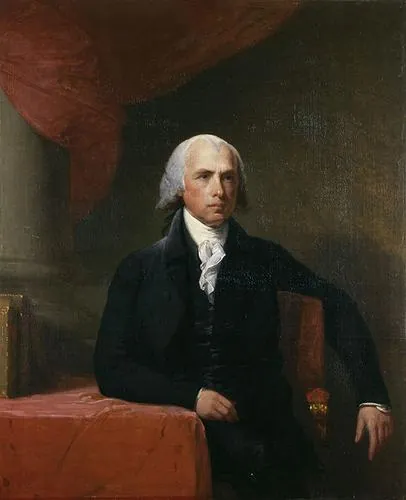
The Federalist Papers is a collection of 85 essays written between October 1787 and May 1788 by Alexander Hamilton, James Madison, and John Jay — published under the pseudonym "Publius" — to persuade New Yorkers to ratify the proposed United States Constitution. Originally serialized in New York newspapers, the essays remain an authoritative analysis of constitutional government and an enduring landmark of political philosophy, consulted by courts and scholars alike when interpreting the framers' intent.
LuvemBooks Verdict
Best for
Students of constitutional law, political science, and American history who want to engage directly with the primary text — reading what Hamilton, Madison, and Jay actually argued, clause by clause, for why the Constitution was designed as it was.
Worth it if
Worth reading if your goal is to understand the original reasoning behind the Constitution's structure — federalism, separation of powers, judicial review, and the design of the legislature and executive — from the men who helped draft it.
Skip if
Skip it as a starting point if you're looking for a narrative or accessible introduction to the founding era; the formal eighteenth-century prose, layered argumentation, and assumed familiarity with classical political theory make it a demanding entry for readers without relevant background.
What readers & critics say
The Library of Congress (guides.loc.gov) describes the essays as frequently used today to help interpret the intentions of those who drafted the Constitution, underscoring their status as a living reference in constitutional law rather than a mere historical artifact. Writing in Obscurity, reviewing the work directly, notes that Hamilton's argument against a Bill of Rights "turned out to be dead wrong," illustrating how the Papers illuminate original framers' reasoning even where history did not ultimately vindicate their positions.
Sources: Library of Congress – Federalist Papers Full Text, Writing in ObscurityAsk LuvemBooks
Was this helpful?
- Is it worth reading?
- For anyone seriously engaged with American constitutional law, political science, or the history of the founding era, The Federalist Papers is essential — there is no substitute for the primary text when the goal is to understand what the framers intended and why. The essays are concrete and clause-level in a way broad political philosophy rarely achieves: readers come away not just knowing what the Constitution says, but with a detailed account of why each structural choice was made. That said, the formal eighteenth-century prose and layered argumentation require sustained concentration, and readers seeking a narrative introduction to the founding era will find it a challenging entry point. As a selective reference consulted by specific essay — rather than read cover to cover — it also rewards topic-driven reading.
- Who should read this?
- The Federalist Papers is most rewarding for students of constitutional law, political science, and American history, as well as anyone who wants to engage seriously with questions of federalism, separation of powers, and the prevention of tyranny at the level of the primary source. Lawyers, judges, and legal scholars have long consulted it when interpreting the Constitution, and it is equally valuable for civics educators and engaged citizens seeking a rigorous foundation. Casual readers or those new to political theory may find the eighteenth-century prose and dense argumentation a demanding starting point, and would benefit from beginning with a secondary guide to the ratification debates before tackling the essays directly.
- What age is it for?
- Best for ages 14 and up in practice, though the Dover Publications edition carries a suggested reading age of 12 and up. The collection contains no objectionable content, but the formal eighteenth-century prose, layered argumentation, and assumption of familiarity with classical republican theory make it most productive for high school students, undergraduates, and adult readers with some background in civics or American history. Younger readers with strong civics foundations could engage with selected landmark essays, but the full collection is a demanding read even for adult audiences.
- Similar books
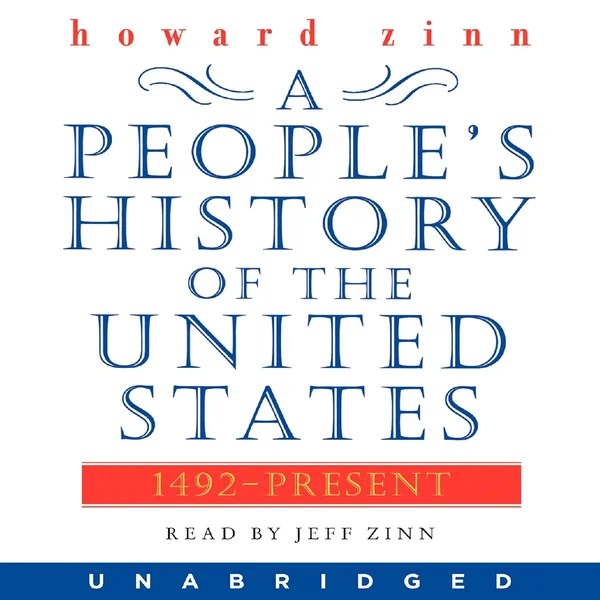
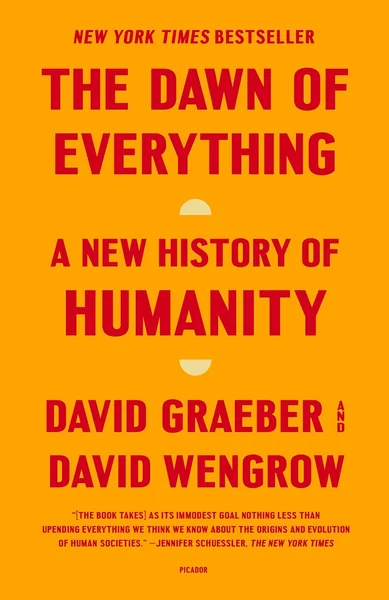
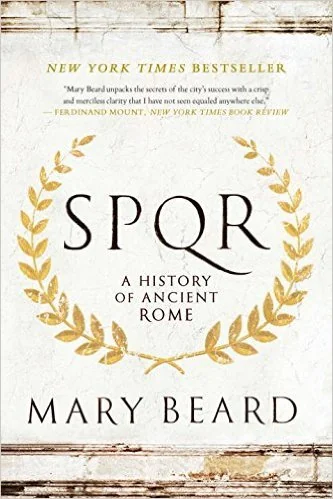
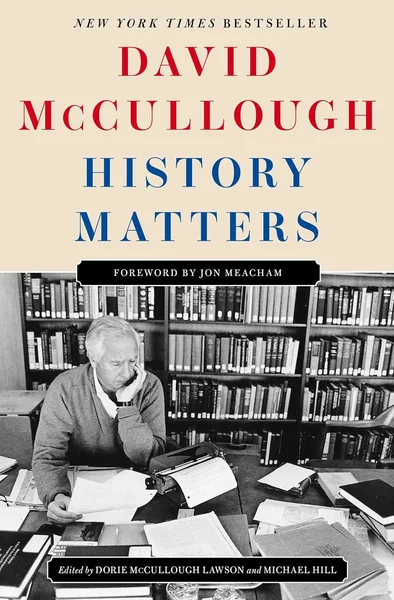
- Readers drawn to The Federalist Papers for its engagement with political power, democratic institutions, and historical governance will find strong companions among the curated titles on this page. Timothy Snyder's On Tyranny: Twenty Lessons from the Twentieth Century offers a compact, urgent analysis of how democracies collapse — a modern complement to the framers' anti-tyranny arguments. Howard Zinn's A People's History of the United States approaches American history from below, providing a counterpoint perspective to the founders' constitutional vision. For broader questions of how human societies organize governance, David Graeber's The Dawn of Everything: A New History of Humanity offers a provocative anthropological reassessment. Mary Beard's SPQR: A History of Ancient Rome illuminates the classical republican traditions — including the Roman Republic — that deeply informed Hamilton, Madison, and Jay's thinking. David McCullough's History Matters rounds out the list with essays on American history and the importance of historical literacy.
- What are the main themes?
- The Federalist Papers addresses the full architecture of constitutional government, organized around a core set of political problems: how to prevent tyranny and the concentration of power, how to balance federal and state authority, how to design a legislature and executive capable of effective governance without despotism, and how an independent judiciary can safeguard constitutional limits. Madison's Federalist No. 10 centers on the danger of faction — the tendency of organized groups to pursue their interests at the expense of the common good — and argues that a large commercial republic disperses and checks factional power more effectively than a small direct democracy. Hamilton's Federalist No. 78 develops the theory of judicial review, arguing that courts must have the authority to strike down laws that contradict the Constitution. Underlying all 85 essays is the animating question from Federalist No. 1: whether humanity is capable of establishing good government through deliberate reflection and choice, or must always be subject to accident and force.
- How is it used in constitutional law today?
- The Library of Congress describes The Federalist Papers as a primary resource for understanding the intentions of those who drafted the Constitution, and courts — including the Supreme Court — have long consulted specific essays when interpreting constitutional provisions and debating original intent. Hamilton's Federalist No. 78, which lays the groundwork for judicial review, is among the most cited in legal scholarship and judicial opinions. Because Hamilton and Madison were themselves delegates to the Constitutional Convention, the essays carry unmatched authority as a record of the framers' reasoning — making them not merely a historical artifact but a living reference in American constitutional law.
Summarize this book
Follow up
Synthesized from verified book data & published reviews · How we review
Press Enter to ask. Answers come from our editorial Q&A — start typing to see related questions.
Age & Reading Level
Recommended age
Ages 14+
Reading level
Adult
who it suits
Best for: Ages 14+ recommended — the formal eighteenth-century prose, layered argumentation, and assumption of familiarity with classical political theory make the collection most productive for high school students and above, despite a publisher-stated reading age of 12 and up.
Skip if you're looking for a narrative or accessible introduction to the American founding rather than dense primary-source political argumentation.
Our Review
What the Book Actually Is
The Central Arguments and Key Essays
Significance and Place in the Canon
Genuine Strengths for the Modern Reader
Who This Book Challenges and Who It Rewards
Sources & Further Reading
The key facts and claims in this review are grounded in the retrieved, verified sources listed below.
- Cited in this review
- 1
- 2
- 3
- Further reading
- 4
en.wikipedia.org
- 5
- 6
- 7
- 8
Books like The Federalist Papers
Curated picks for readers who enjoyed The Federalist Papers, with our reasoning for each match.
If you liked The Federalist Papers