Alexander Hamilton
1
Books ReviewedAsk LuvemBooks about Alexander Hamilton
- Where should I start?
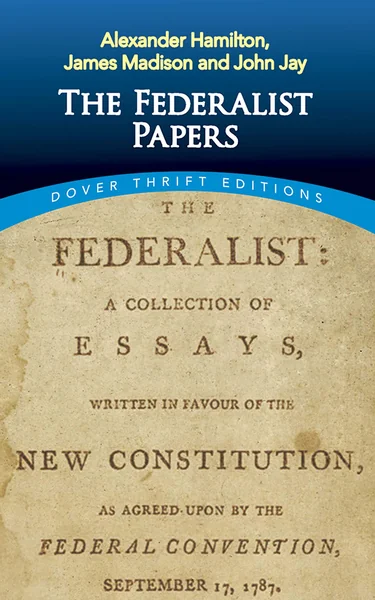
- If you want to read Hamilton in his own words, The Federalist Papers is the essential starting point — it's the most complete and polished expression of his political philosophy, and its co-authors James Madison and John Jay provide useful contrast to Hamilton's more forceful, centralizing arguments. The essays were written at speed to influence a real political debate, so they read with genuine stakes rather than dry academic remove. With a 4.8 out of 5 reader rating on Amazon across thousands of reviews, it's clearly one that continues to resonate. Start with Federalist No. 51 or No. 78 if you want to ease in before committing to all 85 essays.
- What's their writing style?
- Hamilton writes as an advocate first and a theorist second — his prose is dense and argumentative, structured to anticipate and demolish objections rather than simply state a position. In The Federalist Papers, his contributions tend toward longer, more legally inflected reasoning compared to Madison's more philosophical register; Hamilton is especially effective when arguing from practical necessity, marshaling historical precedent and economic logic in the same breath. His sentences can be demanding by modern standards, built in long, subordinate-clause-heavy structures that reward careful reading. There is little ornament for its own sake — every rhetorical move is in service of persuasion.
- Books we've reviewed
- LuvemBooks has reviewed one work by Alexander Hamilton: The Federalist Papers, co-written with James Madison and John Jay — the foundational text of American constitutional theory, composed in 1787–88 to argue for ratification of the U.S. Constitution, and still cited regularly in Supreme Court opinions today. It carries a reader rating of 4.8 out of 5 on Amazon from over 3,600 ratings.
- What genre do they write?
- Hamilton's reviewed work falls squarely in History and Political Philosophy — specifically the genre of primary political documents. The Federalist Papers are not history in the narrative sense but rather a real-time political argument, making them a rare example of texts that are simultaneously historical artifacts and living constitutional reference points. Readers drawn to political theory, American history, or the intellectual foundations of democratic governance will find Hamilton essential.
- What should I read after The Federalist Papers?
- After The Federalist Papers, a natural next step is Ron Chernow's biography Hamilton, which places Hamilton's political writings in the full context of his life, ambitions, and rivalries — it's the book that inspired the Broadway musical and remains the definitive modern account. If you want to stay with primary sources, Hamilton's 'Report on Manufactures' and 'Report on Public Credit' show the same analytical mind applied to economic policy rather than constitutional theory. For a direct intellectual counterpoint, read The Anti-Federalist Papers to hear the opposing arguments Hamilton was writing against.
Who is Alexander Hamilton?
Follow up
Synthesized from verified book data & published reviews · How we review
Press Enter to ask. Answers come from our editorial Q&A — start typing to see related questions.
Authors Like Alexander Hamilton

David Graeber
David Rolfe Graeber was an American anthropologist and anarchist social and political activist.
1 book reviewed

Carl Sagan
Carl Edward Sagan (November 9, 1934 – December 20, 1996) was an American astronomer, planetary scientist, and science communicator born in Brooklyn, New York. Initially an assistant professor at Harvard, he later moved to Cornell, where he held the David Duncan Professor of Astronomy position. He authored works including *The Demon-Haunted World* (1995), aiming to explain the scientific method to general audiences.
1 book reviewed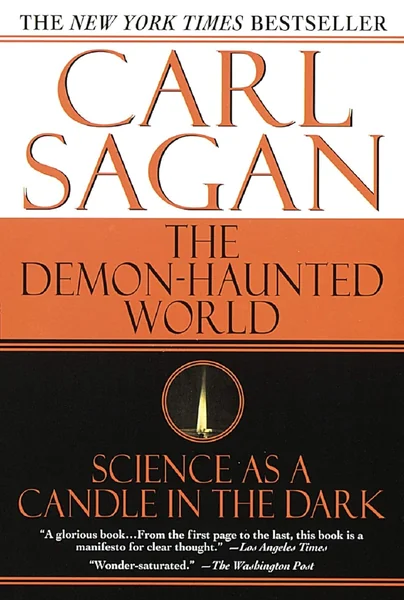

Jared Diamond
Jared Mason Diamond is an American scientist, historian, and author.
1 book reviewed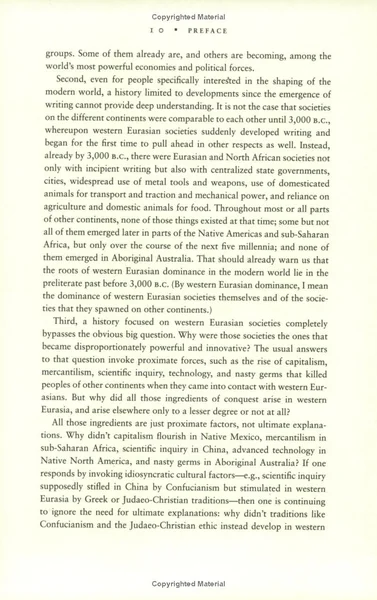
aa

Jonathan Haidt
Jonathan David Haidt is an American social psychologist and author.
3 books reviewed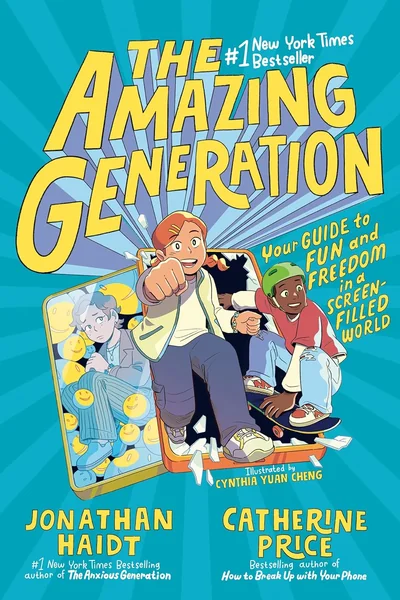



Walter Isaacson
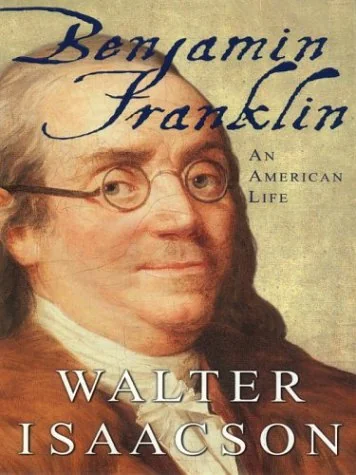
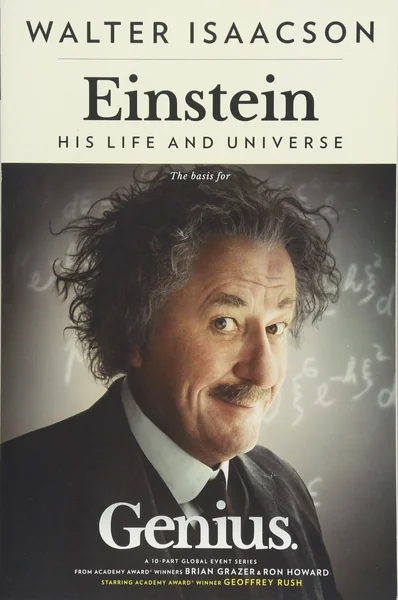
Walter Seff Isaacson is an American journalist who has written biographies of Henry Kissinger, Benjamin Franklin, Leonardo da Vinci, Albert Einstein, Steve Jobs, Jennifer Doudna, and Elon Musk.
2 books reviewed