John Jay
1
Books ReviewedAsk LuvemBooks about John Jay
- Where should I start?
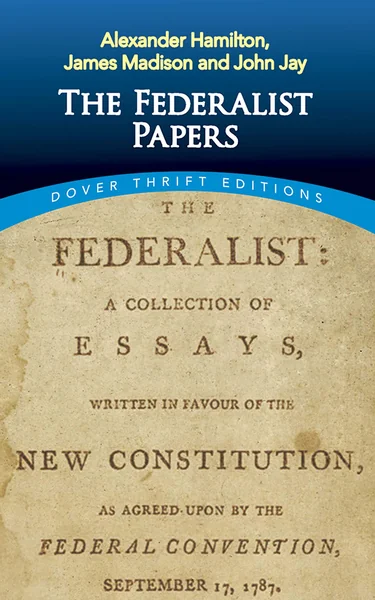
- Since LuvemBooks has reviewed one work connected to Jay, the answer is straightforward: start with The Federalist Papers. It holds a reader rating of 4.8/5 across over 3,600 Amazon ratings, and Jay's five essays — particularly those on foreign relations and the value of union — offer a focused entry point before tackling the broader collection written by Hamilton and Madison. Reading Jay's contributions first gives you a clear sense of the geopolitical stakes the founders were navigating.
- What's their writing style?
- Jay writes with the measured, formal tone of a practicing diplomat — his essays in The Federalist Papers build arguments through careful enumeration of geopolitical risks rather than abstract philosophy. Where Hamilton leans on rhetorical force and Madison on structural theory, Jay grounds his case in real-world consequences: the costs of disunion in the face of foreign powers. His prose is precise and restrained, favoring logical progression over ornament.
- Books we've reviewed
- LuvemBooks has reviewed one work connected to John Jay: The Federalist Papers (co-authored with Alexander Hamilton and James Madison), a foundational collection of political essays advocating for ratification of the U.S. Constitution, rated 4.8/5 by readers across more than 3,600 Amazon ratings.
- What genre do they write?
- Jay's reviewed work falls squarely in the History and political philosophy genres. The Federalist Papers is both a primary historical document and an enduring work of political theory, studied as much for what it reveals about the founding of the United States as for its arguments about constitutional governance. Readers drawn to American history, political science, or the history of ideas will find it directly relevant.
- What should I read after The Federalist Papers?
- After finishing The Federalist Papers, readers typically turn to the Anti-Federalist Papers to understand the counterarguments that shaped the final Constitution and the eventual addition of the Bill of Rights. For those specifically interested in Jay, Richard B. Morris's biography Witnesses at the Creation covers Jay, Hamilton, and Madison's intertwined roles in founding the republic. Both options extend the conversation the essays begin rather than repeating it.
Who is John Jay?
Follow up
Synthesized from verified book data & published reviews · How we review
Press Enter to ask. Answers come from our editorial Q&A — start typing to see related questions.
Authors Like John Jay

David Graeber
David Rolfe Graeber was an American anthropologist and anarchist social and political activist.
1 book reviewed

Carl Sagan
Carl Edward Sagan (November 9, 1934 – December 20, 1996) was an American astronomer, planetary scientist, and science communicator born in Brooklyn, New York. Initially an assistant professor at Harvard, he later moved to Cornell, where he held the David Duncan Professor of Astronomy position. He authored works including *The Demon-Haunted World* (1995), aiming to explain the scientific method to general audiences.
1 book reviewed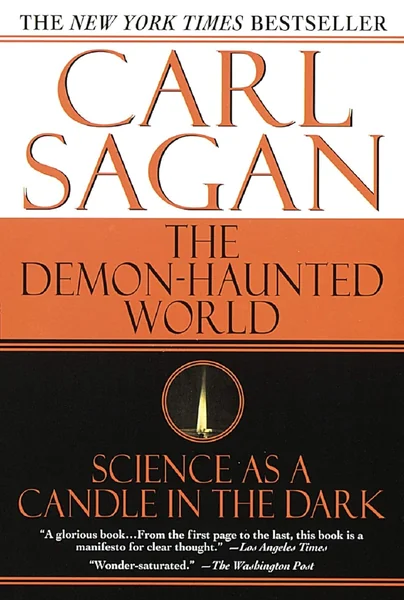

Jared Diamond
Jared Mason Diamond is an American scientist, historian, and author.
1 book reviewed
aa

Jonathan Haidt
Jonathan David Haidt is an American social psychologist and author.
3 books reviewed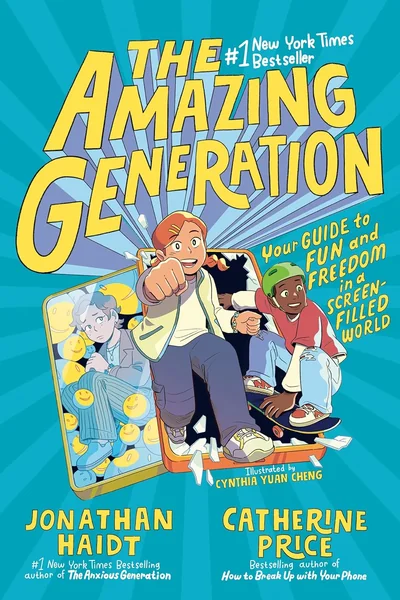


Walter Isaacson
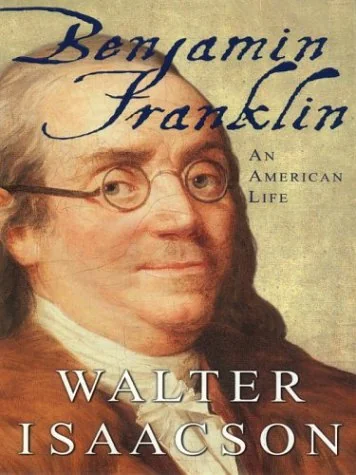
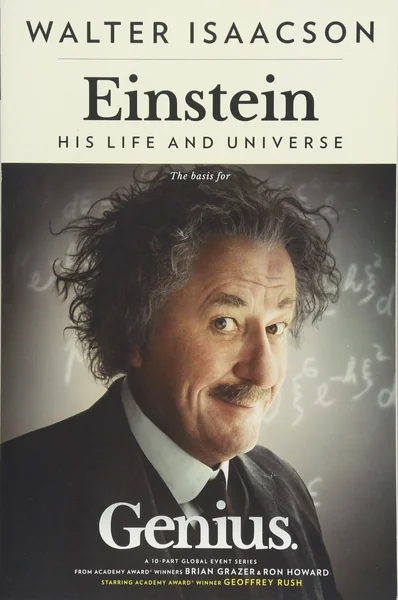
Walter Seff Isaacson is an American journalist who has written biographies of Henry Kissinger, Benjamin Franklin, Leonardo da Vinci, Albert Einstein, Steve Jobs, Jennifer Doudna, and Elon Musk.
2 books reviewed