8 min read
4.7
· 5,808 Amazon ratingsShare This Review
John Adams by David McCullough Review: A Pulitzer-Winning Portrait of a Forgotten Founder
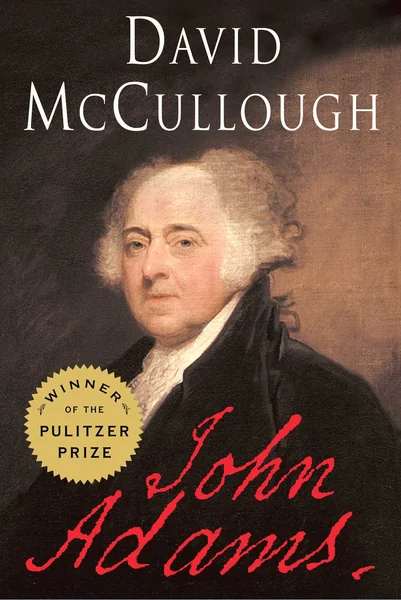
David McCullough's John Adams, published by Simon & Schuster in May 2001, is a Pulitzer Prize–winning biography that resurrects the second president of the United States from the margins of American historical memory, weaving together politics, war, philosophy, and one of the most celebrated marriages in the nation's founding generation into a narrative that critics across major outlets hailed as a masterwork.
LuvemBooks Verdict
Best for
General readers drawn to American history, presidential biography, or the founding era who want a narrative-driven, emotionally rich full-life account of a long-underappreciated Founding Father.
Worth it if
You want a sweeping, story-first biography that rehabilitates Adams through accumulated human detail — his marriage, his correspondence, his stubbornness — rather than dry political chronicle.
Skip if
You're seeking a critically combative or analytically rigorous reassessment of Adams's record — on civil liberties or his more controversial decisions — rather than a sympathetic, narrative rehabilitation.
What readers & critics say
Kirkus Reviews called it "superb" and "swiftly moving," noting that "despite the whopping length, there's not a wasted word." Pulitzer.org, in its prize citation, described it as "a riveting portrait of an abundantly human man and a vivid evocation of his time," drawing on an outstanding collection of Adams family letters and diaries. Bookbrowse.com credited McCullough's "height of narrative art," calling it "a wonderfully stirring biography" that makes readers feel as if they are firsthand witnesses to history. The Claremont Review of Books, while calling it "utterly compelling, even beautiful," noted the book is not without its faults — Adams, a "thinking revolutionary," is rendered with admiration but not always full analytical sharpness.
“Despite the whopping length, there's not a wasted word in this superb, swiftly moving narrative.”
— Kirkus ReviewsAsk LuvemBooks
Was this helpful?
- Is it worth reading?
- For general readers drawn to American history or presidential biography, John Adams is one of the most acclaimed and widely read entry points the genre has produced. Critics praised it as "superb" and "swiftly moving," observing that despite its substantial length "there's not a wasted word," and Walter Isaacson called it "another masterwork of storytelling that blends colorful narrative with sweeping insights." The one honest caveat: readers hoping for a hard-edged critical reassessment of Adams's more controversial decisions will find a work whose primary mode is sympathetic rehabilitation rather than adversarial historiography.
- Similar books
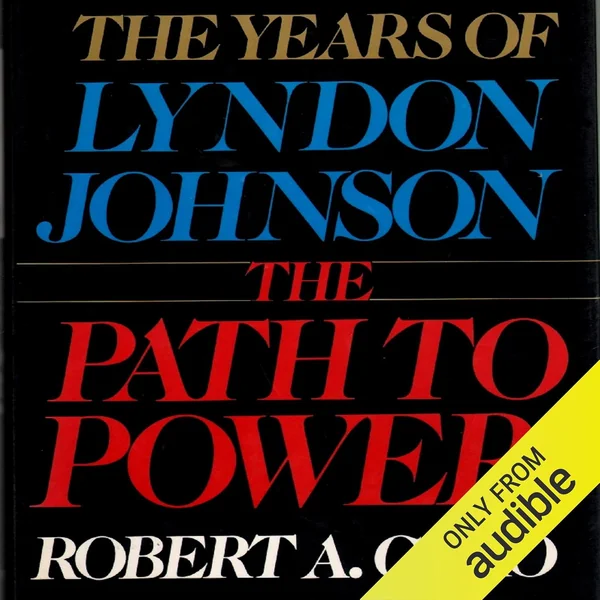
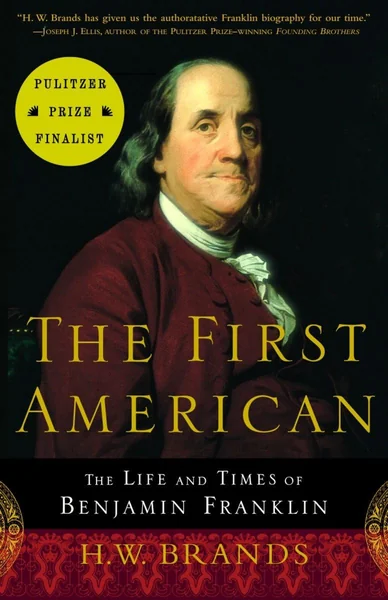
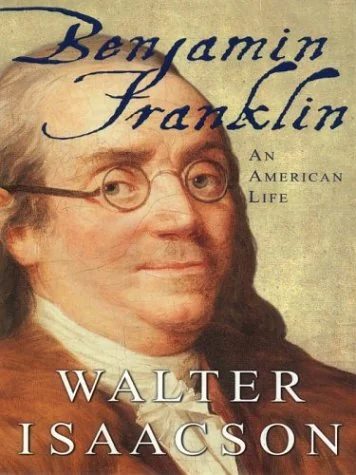
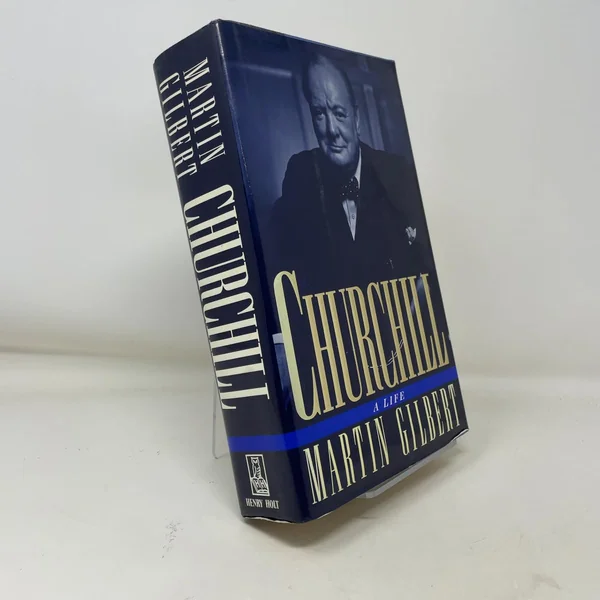
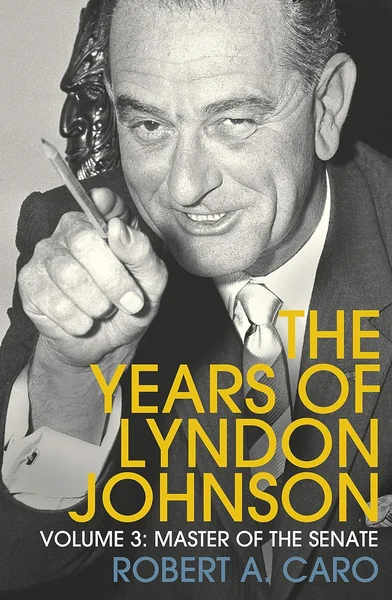
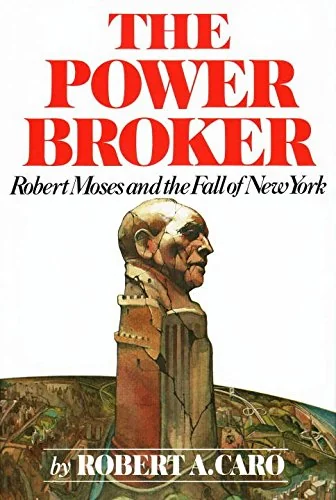
- Readers who responded to John Adams will find much to admire in the surrounding catalogue of sweeping biographical narrative. Robert A. Caro's The Power Broker and Master of the Senate share McCullough's commitment to exhaustive research and larger-than-life subjects. For fellow Founding Fathers told with similar narrative ambition, Ron Chernow's Alexander Hamilton and H. W. Brands's The First American: The Life and Times of Benjamin Franklin — as well as Walter Isaacson's Benjamin Franklin: An American Life — offer comparable depth and readability. Martin Gilbert's Churchill: A Life extends the tradition of the definitive single-volume political biography to the twentieth century.
- Who should read this?
- John Adams is ideal for general adult readers with an interest in American history, presidential biography, or the literature of the founding era — no prior specialist knowledge is required. It will particularly reward readers drawn to biography that integrates private life with public history: the John-and-Abigail marriage and the Adams–Jefferson correspondence give the book an emotional dimension rarely found in political chronicles. Readers wanting a sharply critical or academically combative reckoning with Adams's record are better served elsewhere; this is a biography built for appreciation and rehabilitation, not prosecution.
- About David McCullough
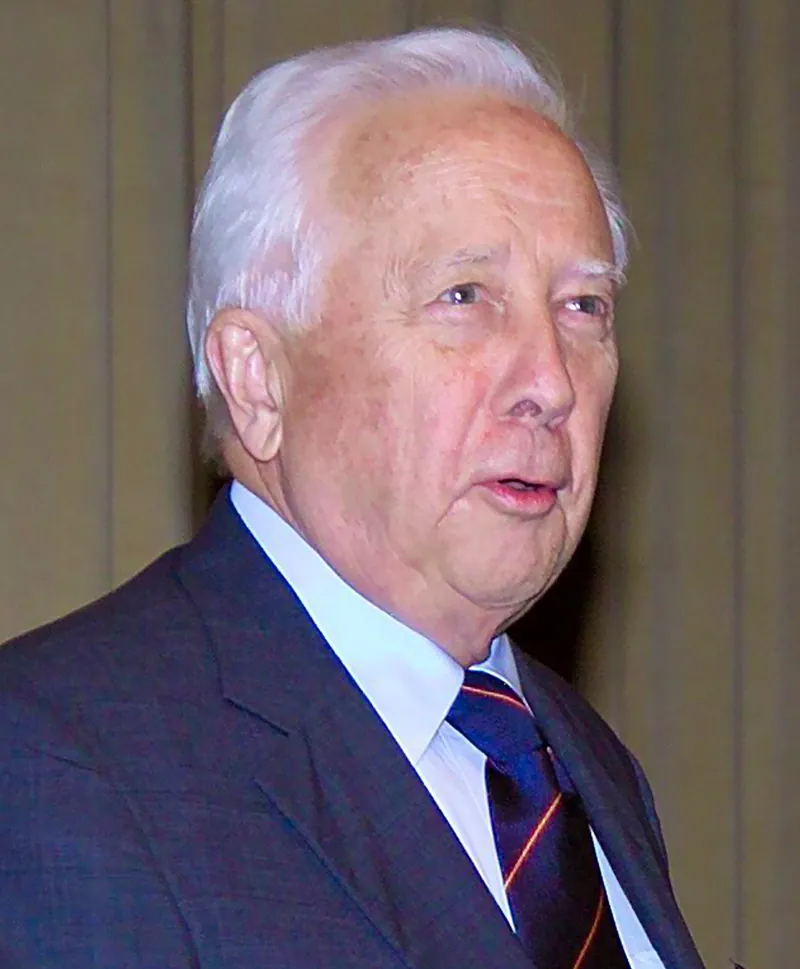
- Born in 1933 and educated at Yale, David McCullough transformed American popular history by bringing the past to vivid life through masterful storytelling. LuvemBooks has also reviewed his books The Wright Brothers and History Matters.
- Tell me about the adaptation
- John Adams was adapted into an HBO television miniseries, which premiered in 2008. The production brought McCullough's portrait of Adams and the founding era to a wide television audience, extending the biography's cultural reach well beyond the page. The miniseries allowed viewers to encounter the John-and-Abigail relationship and the Adams–Jefferson correspondence — both central to McCullough's narrative — in dramatized form.
- How does this compare to McCullough's other books?
- Among McCullough's body of work, John Adams is most frequently compared to his earlier biography Truman — both are Pulitzer Prize–winning rehabilitative portraits of underestimated American leaders, written with McCullough's signature narrative warmth and built on deep archival research. LuvemBooks has also reviewed The Wright Brothers and History Matters, which show McCullough's range across different eras and subjects, though John Adams is widely regarded as one of his two defining biographical achievements alongside Truman.
Summarize this book
Follow up
Synthesized from verified book data & published reviews · How we review
Press Enter to ask. Answers come from our editorial Q&A — start typing to see related questions.
Age & Reading Level
Recommended age
Adult
Reading level
Adult
who it suits
Skip if you want an unflinching, critically combative reassessment of Adams's record on civil liberties and his presidency's controversies.
Our Review
What the Book Actually Is and Does
The Central Relationship: John and Abigail
Reception and Significance
Strengths: Narrative Drive and Recovered Reputation
Who the Book Is For and Where It Has Limits
Sources & Further Reading
The key facts and claims in this review are grounded in the retrieved, verified sources listed below.
- Cited in this review
- 1
en.wikipedia.org
- 2
en.wikipedia.org
- 3
claremontreviewofbooks.com
- Further reading
- 4
David McCullough, Wikipedia
- 5
- 6
jocelynnielson.com
- 7
newrepublic.com
- 8
- 9
bookmarks.reviews
- 10
wallstreetreadinglist.com
- 11
lotzintranslation.com
- 12
mcgoodwin.net
- 13
newbookrecommendation.com
- 14
Books like John Adams
Curated picks for readers who enjoyed John Adams, with our reasoning for each match.
If you liked John Adams