9 min read
4.6
· 179,327 Amazon ratingsShare This Review
The Tattooist of Auschwitz by Heather Morris Review: A Gripping, Contested Holocaust Love Story
Heather Morris's debut novel tells the remarkable true story of Lale Sokolov, a young Slovak Jew forced to tattoo his fellow prisoners at Auschwitz, who falls in love with Gita Furman — a woman he marks with her camp number. First published in 2018, the book earned a devoted global readership for its emotionally charged narrative, though it also drew pointed historical criticism from the Auschwitz Memorial Research Center. This review is based on published sources and the book's content as the record describes it, not hands-on reading.
LuvemBooks Verdict
Best for
Readers drawn to emotionally direct Holocaust fiction centred on human endurance and love who want a narrative grounded in real personal testimony — specifically the account of Auschwitz survivor Lale Sokolov — rather than a scholarly or documentary reconstruction of the camps.
Worth it if
The emotional arc of a real love story sustained against unimaginable horror is what you're seeking, and you can hold the novel's historical liberties at arm's length from the factual record.
Skip if
You need historical precision or scholarly fidelity: the Auschwitz Memorial Research Center has formally identified the novel's portrayal of camp reality as built on exaggerations, misinterpretations, and understatements — a serious objection from the institution dedicated to preserving the factual record.
What readers & critics say
Kirkus Reviews credits Morris for not flinching from SS depravity and for raising morally complex questions about survival and complicity, while noting those questions are raised but not fully explored. The Guardian, whose own review page was retrieved, took a sharper line, characterising the novel as glossing over the horrors of the concentration camps with "sugary romance" — a counterpoint to the book's vast popular success as a #1 international bestseller.
“Doesn't flinch from describing the depravity of the SS in Auschwitz — no gauzy evasions here, as in Boy in the Striped Pajamas.”
— Kirkus Reviews“This bestselling debut novel glosses over the horrors of the concentration camps with sugary romance.”
— The GuardianAsk LuvemBooks
Was this helpful?
- Is it worth reading?
- For readers drawn to Holocaust narratives centered on human endurance and love, The Tattooist of Auschwitz delivers exactly what its reputation promises: an emotionally propulsive, testimony-grounded story that Timothy Niedermann described as 'at once sobering and poignant, both weighted with unspeakable horrors and uplifted by the unique hope of love.' The novel raises genuinely complex moral questions about Lale's role as tattooist, survivor complicity, and the failure of non-Jewish communities like the Slovaks in Lale's hometown — though Kirkus Reviews noted these moral questions are gestured at rather than fully excavated. Readers seeking rigorous documentary fidelity to the conditions of Auschwitz should weigh the formal criticism from the Auschwitz Memorial Research Center, which identified factual exaggerations, misinterpretations, and understatements serious enough that the Memorial characterized the book as 'dangerous and disrespectful to history' for readers who might mistake it for the documented record.
- Similar books
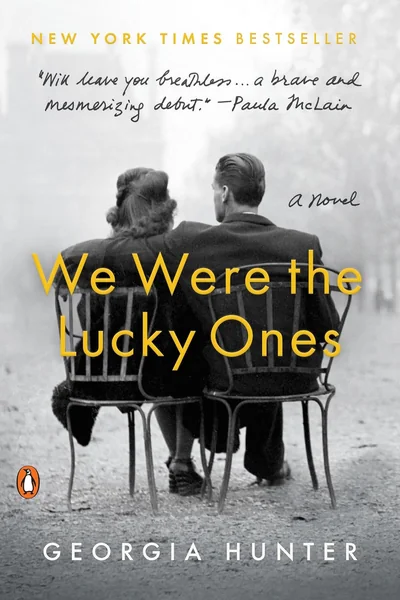
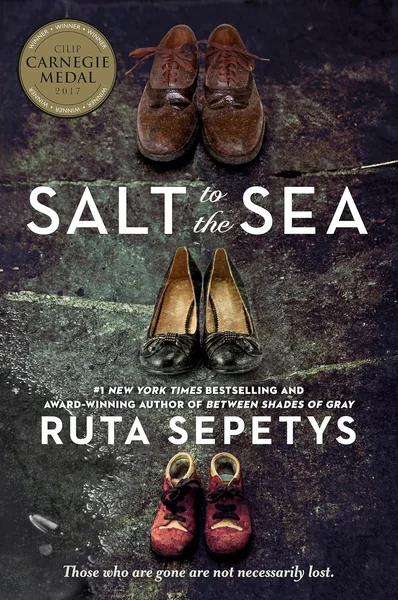
- Readers who responded to The Tattooist of Auschwitz's testimony-grounded, emotionally direct approach to wartime survival will find a natural companion in We Were the Lucky Ones by Georgia Hunter, another fact-based WWII narrative following a Jewish family's struggle to survive across multiple countries. Salt to the Sea by Ruta Sepetys offers a multi-perspective account of a lesser-known WWII tragedy with the same emotional urgency. The Things We Cannot Say by Kelly Rimmer weaves a modern-day frame story around a WWII love story in occupied Europe. For readers drawn to the moral weight of ordinary lives caught in historical atrocity, The Girl Behind the Gates by Brenda Davies and Before We Were Yours by Lisa Wingate — while set in different historical contexts — share the novel's focus on institutional cruelty and survival. These titles are featured in the related books section below.
- Who should read this?
- The novel is ideally suited to readers drawn to Holocaust narratives centered on human endurance, love, and survival — particularly those who appreciate emotionally direct historical fiction over scholarly or procedural accounts. It built its wide international audience on its testimony-inspired, character-driven approach, and readers in that tradition will find it exactly what its reputation promises. Readers who require rigorous historical exactitude or scholarly fidelity to the documented conditions of Auschwitz-Birkenau are advised to approach with caution, given the formal criticism from the Auschwitz Memorial Research Center. It is best read alongside, rather than instead of, more rigorously documented histories of the camp.
- Tell me about the adaptation
- A television adaptation of The Tattooist of Auschwitz aired in 2024, and the 2024 Harper Paperbacks edition of the novel is specifically a media tie-in release connected to that series. The adaptation offers new readers a timely entry point into the story of Lale Sokolov and Gita Furman, and those who encounter the series first may find the novel a useful companion for the additional moral and emotional texture of Lale's testimony-grounded account.
- Does it deal with difficult moral questions?
- Yes, and this is one of the novel's distinguishing qualities relative to more sanitized Holocaust fiction. Morris weaves into Lale's story genuine moral complexity: the guilt carried by Jews like Lale who survived by performing tasks at the Nazis' behest, and the complicity of non-Jewish communities — such as the Slovaks in Lale's hometown — who did not come to the aid of their Jewish neighbors. These are not decorative questions; they are built into Lale's identity as a protagonist. However, Kirkus Reviews noted that these trickier moral questions are raised without being fully explored — the novel gestures at complexity without making it the sustained focus of its inquiry.
- What do Holocaust scholars say about it?
- The most significant scholarly objection comes from Wanda Witek-Malicka of the Auschwitz Memorial Research Center, writing in the journal Memoria. She formally argued that the novel's image of reality at Auschwitz is built on 'exaggerations, misinterpretations and understatements,' and warned that readers — particularly those encountering the book in translation — risk mistaking its narrative for documented historical record, a situation the Memorial Center characterized as 'dangerous and disrespectful to history.' This is not a fringe critique: it comes from the institution specifically dedicated to preserving the factual record of Auschwitz-Birkenau, and LuvemBooks recommends that readers seeking documentary precision weigh it seriously.
Summarize this book
Follow up
Synthesized from verified book data & published reviews · How we review
Press Enter to ask. Answers come from our editorial Q&A — start typing to see related questions.
Age & Reading Level
Recommended age
Ages 16+
Reading level
Adult
Content to know about
Best for: Adults / mature 16+ — centres on Holocaust atrocity, SS cruelty, and the moral weight of survival under genocidal captivity.
Skip if you want a rigorously documented, historically precise account of Auschwitz rather than an emotionally driven, testimony-inspired narrative.
Our Review
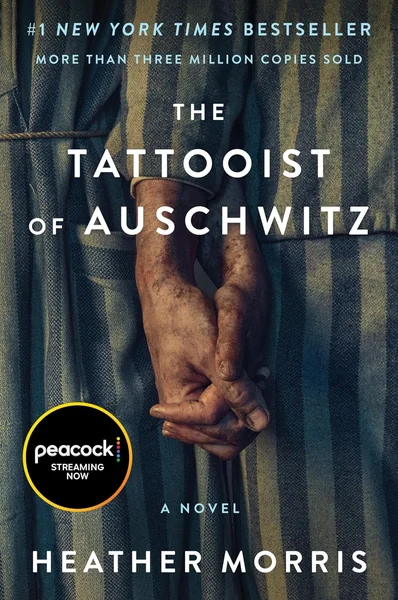
![The Tattooist of Auschwitz [movie-tie-in]: A Poignant Novel of Love, Survival, and Sacrifice Amidst the Horrors of the Holocaust by Heather Morris front cover](https://cdn.luvembooks.com/media/original_images/The_Tattooist_of_Auschwitz_movie-tie-in_A_Poignant_Novel_of_Love_Survival.webp)
What the Novel Is and What It Recounts
The Story's Emotional and Moral Weight
Reception: Broad Readership, Real Controversy
Strengths and Limitations of the Narrative Approach
Who This Book Is For
Sources & Further Reading
The key facts and claims in this review are grounded in the retrieved, verified sources listed below.
- Cited in this review
- 1
en.wikipedia.org
- 2
kirkusreviews.com
- Further reading
- 3
elmstreetbooks.com
- 4
- 5
- 6
heathermorrisauthor.com
- 7
- 8
- 9
Books like The Tattooist of Auschwitz
Curated picks for readers who enjoyed The Tattooist of Auschwitz, with our reasoning for each match.
If you liked The Tattooist of Auschwitz