At a glance
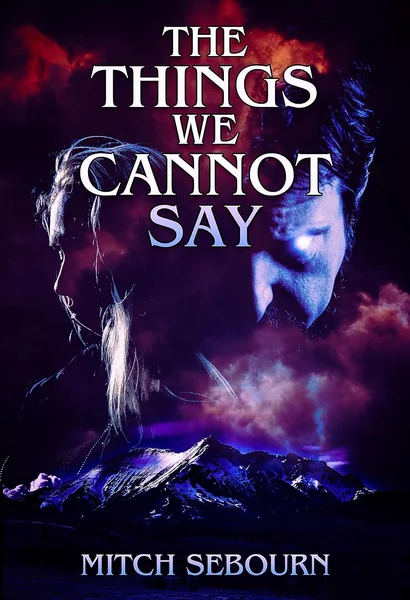
The Things We Cannot Say
LuvemBooks Verdict
Best for: Horror fiction readers who came up on Stine-era genre paperbacks and want a lean, propulsive Kindle read from an emerging author with deep roots in the horror tradition.
Worth it? Skip it? Read the full verdict →Ask LuvemBooks
Was this helpful?
- Is it worth reading?
- For horror fiction enthusiasts — particularly those who grew up on R. L. Stine's Goosebumps series and are drawn to emerging voices in the genre — The Things We Cannot Say delivers a tightly constructed, character-focused read from a writer with genuine genre commitment. Sebourn's triple background as author, English teacher, and licensed attorney gives the prose structural discipline and a precision around cause, consequence, and concealment that elevates the work beyond casual genre output. The caveat is that, as a Kindle-native debut, it lacks the broad critical review infrastructure of traditionally published titles, which means readers must be willing to seek it out actively.
- Similar books
- Readers drawn to The Things We Cannot Say for its themes of family, memory, secrets, and the weight of the unspoken may also find resonance in We Were the Lucky Ones by Georgia Hunter and Before We Were Yours by Lisa Wingate — both emotionally driven narratives built around concealed family histories and the cost of silence across generations. The Girls Left Behind by Emily Gunnis similarly centres on secrets that resurface with devastating consequence. For readers interested in layered storytelling about truth and identity, Trust by Hernan Diaz and The Secret Sewing Society by Siobhan Curham round out a shelf of titles that, each in their own register, take seriously what people cannot — or will not — say.
- Who should read this?
- The Things We Cannot Say is best matched to horror fiction readers who prefer their genre lean and propulsive — specifically those who came up on the same Stine-era Goosebumps paperbacks that formed Sebourn's own reading identity. It suits genre enthusiasts willing to seek out emerging, Kindle-native voices rather than depending on bookstore placement or mainstream critical coverage. Anyone drawn to horror that takes the weight of unspoken secrets as its central subject — concealment, silence, the pressure of what cannot be named — will find the novel's focus deliberate and considered.
- What are the main themes?
- The novel's core thematic concern is the pressure of concealment — secrets, silence, and the accumulating weight of things that cannot be spoken aloud. The title itself encodes this: The Things We Cannot Say points directly to the kind of dread that horror does best, where what is left unspoken becomes more dangerous than what is said. Sebourn's legal background, with its precision around cause, consequence, and what people hide from one another, lends the thematic architecture a structural clarity that goes beyond atmospheric genre gesture.
- What's notable about the author?
- Mitch Sebourn brings an unusual triple professional identity to this debut novel: he is simultaneously a high school English teacher, a licensed attorney, and a self-described horror writer. In a Kendall Reviews interview, he traces his love of horror directly to R. L. Stine's Stay Out of the Basement — the second Goosebumps book — which he encountered around fourth or fifth grade. That origin story matters: Sebourn situates The Things We Cannot Say as the work of a committed genre insider, not a crossover experiment, and his teaching and legal backgrounds visibly shape the prose's structural discipline and precision around concealment and consequence.
- What's the Kindle edition like?
- The Kindle edition of The Things We Cannot Say is described as a clean, well-formatted digital release with enhanced typesetting and Word Wise support, making it accessible across a wide range of reading devices. The 4 MB file size signals a tidy, properly prepared digital edition. The one notable gap is that Kindle X-Ray is not enabled, so readers who rely on that feature to track characters and key terms as they read will find it unavailable here.
Summarize this book
Follow up
Synthesized from verified book data & published reviews · How we review
Press Enter to ask. Answers come from our editorial Q&A — start typing to see related questions.
Age & Reading Level
Recommended age
Adult
Reading level
Adult
2 content notes · who it suits
Content to know about
Skip if you prefer horror with graphic supernatural spectacle or sprawling world-building rather than tight, dread-focused character work.
Editorial Review
The Things We Cannot Say is a horror fiction debut by Mitch Sebourn — a high school English teacher, licensed attorney, and self-described horror writer — published in Kindle edition in January 2021. Rooted in the genre that Sebourn credits R.…
Read the Full ReviewBooks like The Things We Cannot Say
Curated picks for readers who enjoyed The Things We Cannot Say, with our reasoning for each match.