Skip to content
Reviewed

Read Time

6 min read

Our age bandAdult
Reader rating
4.0 · 14,750 Amazon ratings, as of Nov 2026
reader ratings, not a LuvemBooks score
Curated & edited by

LuvemBooks Editorial

How we create our reviews →
Share This Review
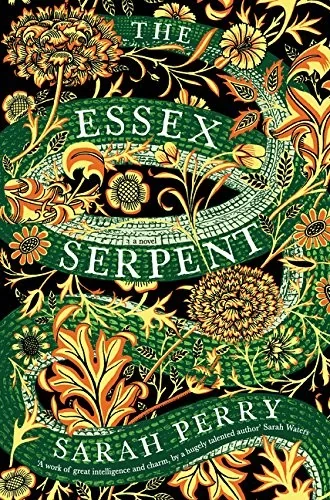
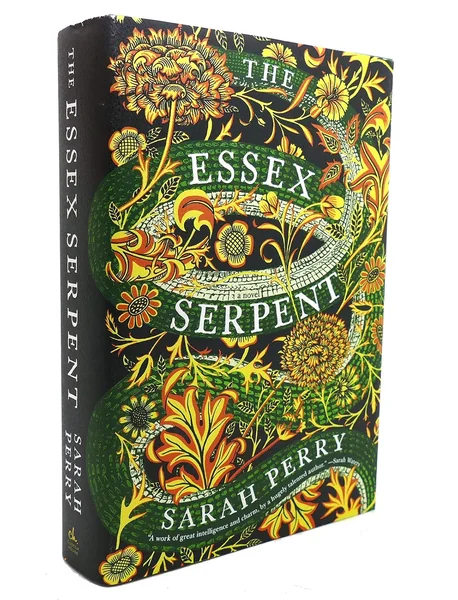
Front cover

Our review

The Essex Serpent

The Essex Serpent Review: Victorian Faith and Fossils (Sarah Perry)

Originally published in 2016 and released by Custom House in 2017, Sarah Perry’s historical novel follows widow Cora Seaborne to 1890s Essex as she investigates a legendary sea serpent and forms a fierce friendship with a local rector. The book examines Victorian science, religion, and female independence through richly drawn characters and a gothic atmosphere.

Our age band: Adult

LuvemBooks Verdict

Best for

Readers who appreciate richly drawn characters and gothic atmospheres will find this novel excels at examining Victorian science, religion, and female independence through a compelling historical mystery.

Worth it if

Worth reading if you appreciate slow-burn narratives that prioritize character development and thematic depth over rapid plot progression.

Skip if

Skip it if you prefer straightforward mysteries, as the philosophical digressions may test your patience.

Where reviewers agree and split

Readers rate it 4.0 on Amazon. The reviews we read that discuss it in depth split on some points:

  • Positive

    The Guardian · Press review: praises its compelling gothic atmosphere and plot

  • Positive

    Vox · Press review: compelling gothic tale with likable characters

  • Positive

    The New York Times · Press review: highly praises the novel's lush ambition and atmosphere (from its headline)

  • Positive

    Julia's Books · Book blog: highly enjoyable, gripping novel with rich themes

Of the 2 reviews we read that discuss its characters, 1 finds the protagonist compelling, but 1 finds the characters unsympathetic.

  • Characters

    1 finds the protagonist compelling · 1 finds the characters unsympathetic

Characters

Praise

“Cora, Perry’s radiantly likable main character”

— Vox · Press review
Criticism

“The characters were unsympathetic”

— Bibliocommons · Book blog
Overall verdicts are our summary of each review we read, from its headline, rating and conclusion. Topic counts use only words we can quote (2 reviews: 1 press review, 1 book blog).

Critical reception for The Essex Serpent is broadly positive: The Guardian and Vox praise its compelling gothic atmosphere and lush Victorian setting, while The New York Times highlights its ambitious scope. Reviewers consistently note its dense, atmospheric prose, though some find its philosophical debates challenging.

“Narrative and voice coil together until it is very difficult to stop reading”

— The Guardian

“gloriously alive, teeming with bugs, moss and marsh”

— NPR
Sources: The Guardian, Vox, NPR, Julia's Books
4.0from 14,750 Amazon ratings, as of Nov 2026— reader ratings, not a LuvemBooks score

Ask LuvemBooks

Was this helpful?

Sarah Perry’s The Essex Serpent follows widow Cora Seaborne to the 1890s Essex marshes as she investigates a legendary sea creature and engages in rigorous debates with a local rector about science and faith. The novel delivers a lush, atmospheric Victorian gothic that rewards readers seeking intellectual depth and character development. It is a meticulously crafted literary achievement best suited for those who appreciate rich historical detail and nuanced thematic exploration.
Is it worth reading?
Worth reading if you enjoy narratives that prioritize character development and thematic depth. Critics praise its lush atmosphere and intellectually stimulating debates, though the intentional ambiguity in the resolution may frustrate readers seeking a thriller or a straightforward mystery.
Similar books
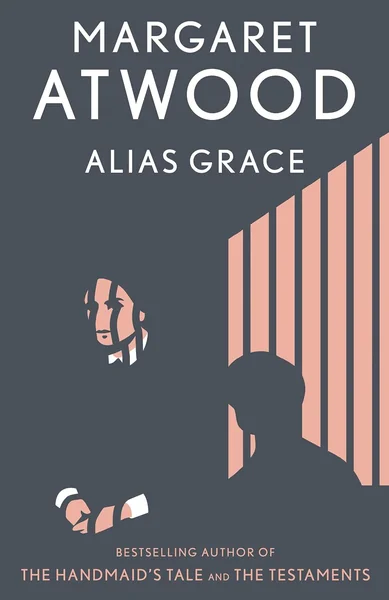
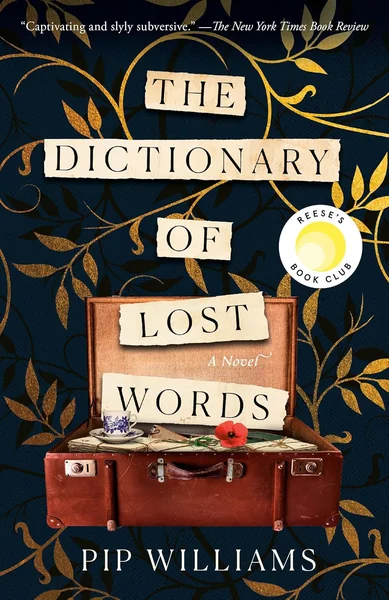
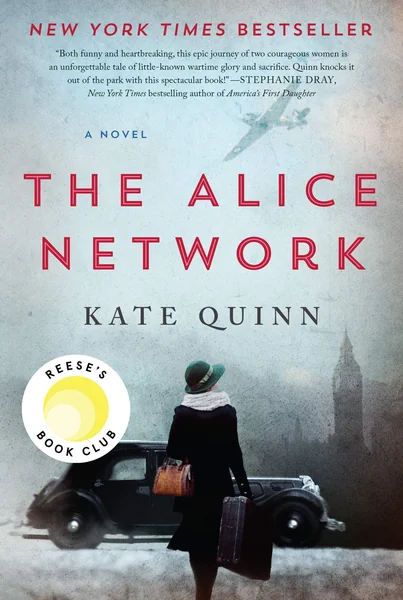
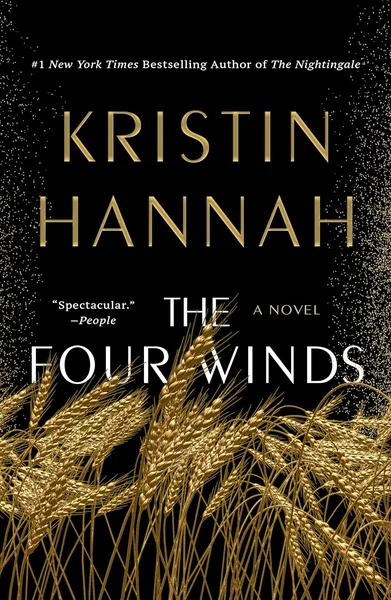
Readers who enjoy atmospheric period novels will likely appreciate Margaret Atwood’s Alias Grace, Pip Williams’s The Dictionary of Lost Words, Kate Quinn’s The Alice Network, and Kristin Hannah’s The Four Winds. These titles share a focus on richly researched periods, complex female protagonists navigating societal constraints, and immersive historical settings.
Who should read this?
This novel is best suited for readers who appreciate richly drawn characters, gothic atmospheres, and historical literary fiction. It will particularly appeal to those interested in Victorian natural history, philosophical debates, and nuanced explorations of female independence within rigid social hierarchies.
What age is it for?
Written for adults, this novel explores mature themes including widowhood, societal expectations, and the clash between scientific skepticism and religious faith. While there are no explicit content warnings that would restrict younger readers, the complex historical context and narrative length are appropriate for mature audiences comfortable with literary fiction.
About Sarah Perry
Sarah Perry is the author of The Essex Serpent, a historical novel set in Victorian England that weaves together themes of science, faith, and mystery around the legend of a serpent creature in Essex. The novel showcases Perry's skill at blending meticulous detail with narrative.
What are the main themes?
The novel centrally examines the tension between science and spiritual belief, using the sea serpent rumor as a catalyst to explore how fear spreads through a community. It also delves into Victorian social constraints, female autonomy, and the intellectual awakening that widowhood inadvertently grants Cora Seaborne.
Summarize this book

Summarize this book

Cora Seaborne, a widow in her late twenties, leaves London society for the coastal marshes of Essex with her son and a socialist companion. There, she encounters Reverend William Ransome, and their intellectual rivalry over a rumored sea serpent evolves into a complex friendship marked by opposing worldviews. Set over a single year, the narrative explores Cora’s search for autonomy and the shifting boundary between Victorian tradition and modern scientific inquiry.

Follow up

How do Cora and Ransome interact?
Does the book provide clear answers?

Synthesized from verified book data & published reviews · How we review

Ask LuvemBooks

What would you like to know about The Essex Serpent?

Answers come from our editorial notes on this book. If we haven't covered something, we'll say so.

Readers often ask

Our Review

We review the evidence: published critics, book bloggers and reader verdicts, gathered and weighed with AI assistance and edited by LuvemBooks, rather than one reader's first-hand take.
Sarah Perry’s historical novel delivers a lush, intellectually rigorous exploration of science versus faith that rewards readers seeking atmospheric Victorian fiction over fast-paced plotting.
The Essex Serpent: A Novel_main_0

Plot and Victorian Setting

Cora's domineering husband dies, prompting her departure from London society for the coastal marshes of Essex. She travels with her son, Francis, and her socialist companion, Martha.
The village of Aldwinter becomes the center of her new life after she encounters Reverend William Ransome. They soon develop a relationship defined by voluble opposition and unspoken attraction.
The narrative unfolds over a single year, capturing the tension between the approaching twentieth century and lingering Victorian traditions.
The Blackwater estuary has been terrorized by rumors of a mythical sea serpent, which Cora believes could be an undiscovered dinosaur. Reverend Ransome views the creature as a pagan nuisance and a threat to his parishioners' faith.
The novel positions Cora and Ransome as intellectual adversaries who debate skepticism, faith, and the boundaries of scientific discovery. BookBrowse describes the story as exploring questions about science and religion, skepticism, and faith.
The serpent functions as a catalyst for examining how fear spreads through a community. 1890s London published papers on extinct animals every six months, and Cora applies this scientific fervor to the local marshes.
The villagers interpret the strange occurrences as divine judgment, while Cora seeks rational explanations.
Cora’s widowhood allows her to reject societal expectations and pursue her passions without constraint. The coastal landscape serves as a backdrop for her intellectual awakening and her search for a new identity.
The supporting cast, including the Ambrose family and Dr. Luke Garnett, provides additional layers to the exploration of love and independence. Cora’s new life forces her to navigate the rigid social hierarchies of the Victorian era while asserting her autonomy.

Strengths in Prose and Character Dynamics

Critics have frequently praised the novel’s dense, atmospheric writing and its vivid portrayal of the natural world. NPR noted that the book is gloriously alive, teeming with bugs, moss and marsh.
Bookmarks.reviews called the novel lush and fantastical, a wild Eden behind a garden gate. The dynamic between Cora and Ransome drives much of the narrative, as their arguments force both characters to confront their own beliefs.
Julia’s Books highlighted the story as rich in themes, rich in its descriptive power and rich in its evocation of time and place.

Pacing and Resolution Critiques

Despite its critical acclaim, the novel’s deliberate pacing and extensive philosophical debates can feel slow to some readers. The Guardian observed that "Narrative and voice coil together until it is very difficult to stop reading."
Some critics note that the gothic elements and historical details occasionally overshadow the central plot. The resolution of the serpent mystery and the romantic tensions between the characters leaves certain threads intentionally unresolved.
This approach aligns with the novel’s focus on the messy, unpredictable nature of human relationships and belief systems. The gothic atmosphere and period details demand a reader willing to engage with the text on a reflective level rather than seeking rapid plot progression.

Is The Essex Serpent Worth Reading?

Weighing these critical assessments, the book stands as a meticulously crafted literary novel that prioritizes atmosphere and intellectual discourse over conventional plot momentum. Bookmarks.reviews described the work as a period literary pastiche with a contemporary overlay, positioning it alongside the works of Sarah Waters and A.S. Byatt.
Readers who appreciate slow-burn historical fiction, detailed natural history, and complex character studies will find the experience deeply rewarding. Those seeking a fast-paced thriller or a straightforward ghost story may find the philosophical digressions and deliberate pacing frustrating.
The novel remains a significant achievement in modern historical fiction, successfully bridging Victorian gothic traditions with contemporary feminist themes. It won the British Book Awards Fiction Book of the Year and was adapted into a major television series, cementing its status as a cultural touchstone.

Sources & Further Reading

The key facts and claims in this review are grounded in the retrieved, verified sources listed below.

  1. Cited in this review
  2. 1
  3. Further reading
  4. 2

    Sarah Perry, LuvemBooks

  5. 3
  6. 4
  7. 5
  8. 6
  9. 7
  10. 8
  11. 9
  12. 10
  13. 11

Age & Reading Level

Our age band

Adult

Our age band groups books for browsing; it isn't an age a review gave.

From our readers

Reader reviews

No LuvemBooks readers have answered yet.

Read it? Was it right for you?

Discussion

Reader comments