BOOKS
Published

Read Time

7 min read

Reader rating

4.7

· 30,126 Amazon ratings
reader ratings, not a LuvemBooks score
Curated & edited by

LuvemBooks Editorial

How we create our reviews →
Share This Review

The Calamity Club by Kathryn Stockett Review: A Gripping, Plot-Driven Depression-Era Novel

Seventeen years after the phenomenon of The Help, Kathryn Stockett returns with The Calamity Club, a sprawling, plot-driven novel set in Depression-era Mississippi that brings together an unlikely coalition of spinsters, sex workers, and orphans — and confirms, per The New York Times, that Stockett remains a master of the set piece.

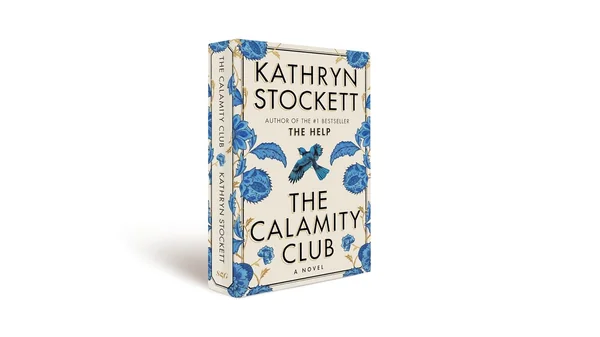
Front cover featuring the author name and novel title in dark text on cream background with blue floral motif.Tap to enlarge

LuvemBooks Verdict

Best for

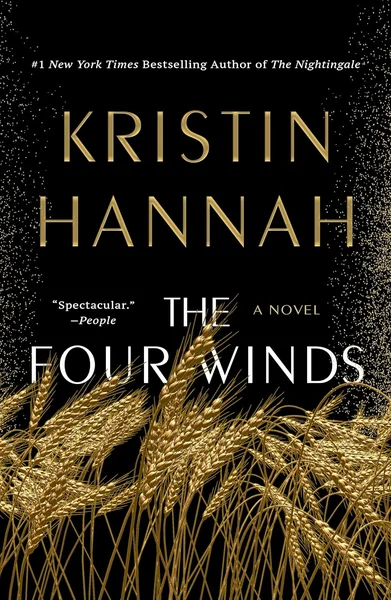
Readers who love immersive, character-driven historical fiction set in Depression-era America and want a sweeping, plot-propelled ensemble story centred on marginalized women — particularly fans of The Help or novels like The Four Winds and Hang the Moon.

Worth it if

You want a big, emotionally invested Southern saga with a richly specific sense of place and time, darkly comic set pieces, and a dual-narrator structure that earns its 638-page length through momentum and craft.

Skip if

You're seeking formally inventive or philosophically ambitious literary fiction — critical coverage is candid that this is not a novel of ideas and not the least bit experimental, so readers with that appetite will likely find it conventional.

The New York Times describes the novel as "prodigious" and "all about plot," crediting Stockett as a master of the set piece while being equally candid that it is "not a so-called novel of ideas" and "not the least bit experimental or formally inventive" (nytimes.com). Kirkus Reviews calls it an "engaging follow-up" that fans of Stockett's bestselling debut will love, while reader-facing coverage at The Bookish Bulletin and Dear Strange Things Substack praises the writing as flawless and absorbing, noting its deliberate shift toward poverty and marginalized white women as a conscious departure from the dynamics of The Help (kirkusreviews.com; thebookishbulletin.com; dearstrangethings.substack.com).

It's all about plot, baby, and that plot, for the most part, delivers — Stockett's prodigious second novel.

The New York Times
Sources: The New York Times, Kirkus Reviews, The Bookish Bulletin, Dear Strange Things (Substack), Please Read It to Me, Ink and Imaginings
4.7from 30,126 Amazon ratings— reader ratings, not a LuvemBooks score
In This Review
  • What Works & What Doesn't
  • What the Novel Is and Who Inhabits It
  • The Long Shadow of *The Help* — and How Stockett Navigates It
  • Stockett's Strengths: Plot Mechanics and the Set Piece
  • What the Novel Does Not Attempt
  • Who This Novel Is For

What Works & What Doesn't

What Works
  • Dual-narrator structure anchored by Meg and Birdie gives the novel emotional range and momentum across its sprawling cast
  • Critical coverage credits Stockett as 'a master of the set piece,' citing scenes of precisely calibrated tension and dark comedy
  • Set in Depression-era Mississippi, the novel draws on a richly specific historical and geographical world
  • The ensemble — spinsters, sex workers, orphans — centers marginalized white women in a deliberate departure from the dynamics of The Help
  • Fifteen years in development, the novel arrives as a fully realized, plot-driven work that publisher positioning aligns with major bestselling historical fiction
What Doesn't
  • Critical coverage notes the novel is not experimentally or formally inventive — readers seeking structural or literary ambition may find it conventional
  • At 638 pages, the novel's scale demands sustained investment, and its commitment to plot over ideas will not suit every taste
Seventeen years is a long time between novels, and The Calamity Club (Spiegel & Grau, May 2026) makes no apologies for its ambition — this is a big, propulsive, character-crowded story that has been fifteen years in the making.

What the Novel Is and Who Inhabits It

Set in 1933 Mississippi at the height of the Great Depression, The Calamity Club assembles an unlikely community inside the decaying grandeur of two once-gilded mansions of the old-money South. The novel's alternating narrators are Meg and Birdie, two women whose perspectives anchor a wider ensemble that includes spinsters, sex workers, and orphans — moneyless outsiders who arrive in rooms that have already seen better days. Publisher's promotional copy positions the book at the intersection of Kristin Hannah's The Four Winds and Erika Robbie's Hang the Moon, signaling a story where Depression-era survival and community-building are the twin engines of the plot.
It's all about plot, baby, and that plot, for the most part, delivers.

The Long Shadow of *The Help* — and How Stockett Navigates It

Any review of this novel must reckon with its predecessor. The Help (2009) drew significant criticism — acknowledged even in The New York Times's coverage of this new book — not for its choice to ventriloquize the voices of Black maids in 1960s Jackson, but for what critics called an inauthentic and at times insulting portrayal of the Black women Stockett sought to speak for. The Calamity Club represents a deliberate course correction in this respect: the novel is narrated exclusively by white women, and its characters are not the employers of earlier decades but rather the dispossessed and the marginalized. Whether that shift fully resolves the conversation around Stockett's authorial choices is something readers and critics will continue to debate, but it is a structurally distinct and consciously different artistic decision.

Stockett's Strengths: Plot Mechanics and the Set Piece

The New York Times, whose excerpt is the most substantive critical source available at publication, describes the novel as "prodigious" and is direct about where its power lies: "It's all about plot, baby, and that plot, for the most part, delivers." The review credits Stockett as "a master of the set piece," pointing to the club's painfully awkward grand opening — a moment rendered with dark comic precision — and to a later sequence in which the simmering tension between Meg's adoptive parents escalates into confrontation, disappointment, and despair. These are the moments where Stockett's craft is most visible: escalating pressure, carefully timed release, and scenes constructed to be felt rather than merely read.
Front cover featuring the author name and novel title in dark text on cream background with blue floral motif.

What the Novel Does Not Attempt

critical coverage is equally candid about the novel's formal modesty: it is "not a so-called novel of ideas, or at least not of new ones," and "not the least bit experimental or formally inventive." For readers who arrive expecting the kind of structural or philosophical ambition associated with contemporary literary fiction, The Calamity Club will not satisfy that appetite. Its 638 pages are committed to story and character momentum rather than to formal experimentation or ideological provocation. This is not a flaw so much as a declaration of purpose — but it is a meaningful one for readers choosing between books.

Who This Novel Is For

Readers drawn to immersive historical fiction rooted in a specific American place and period — the Deep South in its most economically ravaged years — will find The Calamity Club designed to deliver exactly that experience. The dual-narrator structure, the ensemble of socially marginalized women, and the emphasis on community and survival position it squarely in the tradition of character-driven, emotionally invested storytelling. For fans of The Help who stayed with Stockett despite the criticisms, and for readers of sweeping Depression-era narratives more broadly, this is the novel the past seventeen years of anticipation were building toward.

Sources & Further Reading

The key facts and claims in this review are grounded in the retrieved, verified sources listed below.

  1. Cited in this review
  2. 1
  3. 2
  4. Further reading
  5. 3
  6. 4
  7. 5
  8. 6
  9. 7
  10. 8
  11. 9