
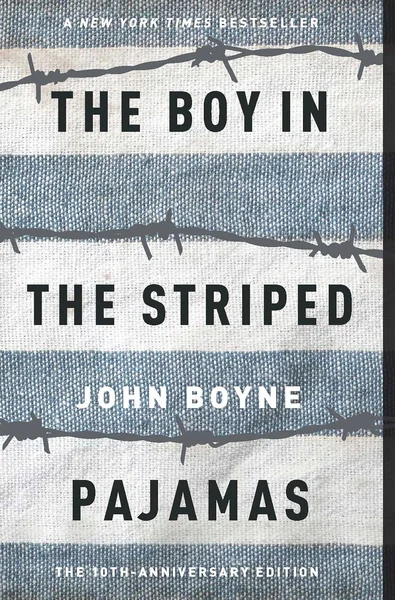
At a glance

The Boy in the Striped Pajamas
by John Boyne
LuvemBooks Verdict
Best for: Best for upper-middle-grade classrooms and families seeking a short, non-graphic first Holocaust-fiction encounter that can be discussed alongside testimony or history.
Worth it? Skip it? Read the full verdict →Ask LuvemBooks
Was this helpful?
- Is it worth reading?
- For the right reader, yes — it is one of the most widely read and decorated Holocaust novels of the past two decades, with a distinctive child-eye narration and a short, fast-moving, non-graphic style that many families have used as a first encounter with the subject. The caveat is substantial: critics argue the premise strains credibility (a boy Shmuel's age would most likely not have survived at Auschwitz) and that the fable substitutes sentiment for history. LuvemBooks recommends it as a starting point for discussion, not a final word on the history.
- Similar books
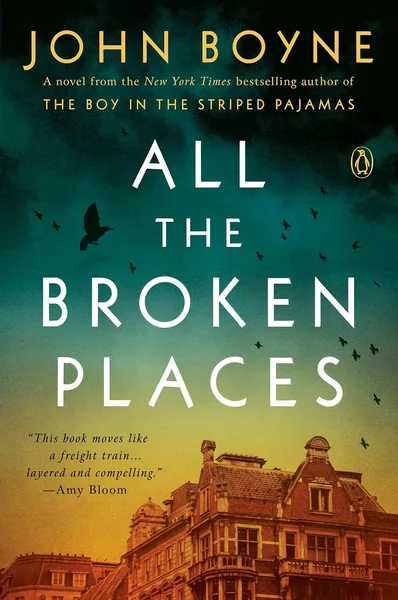
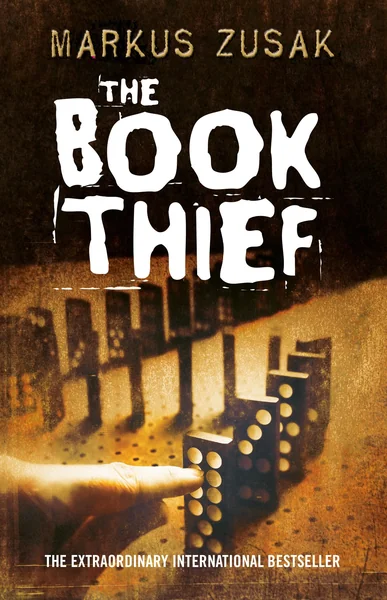
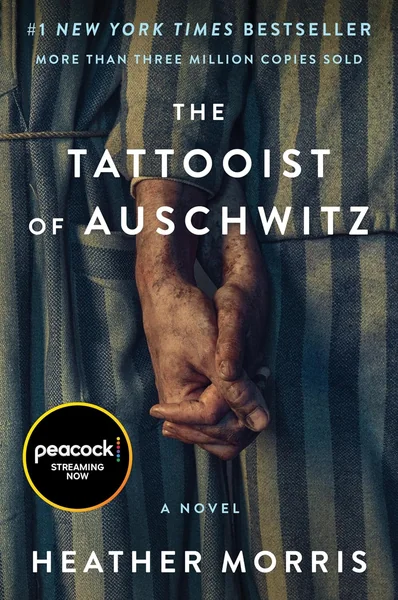
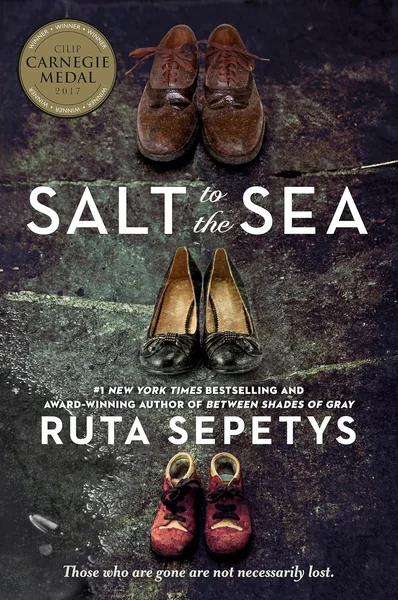
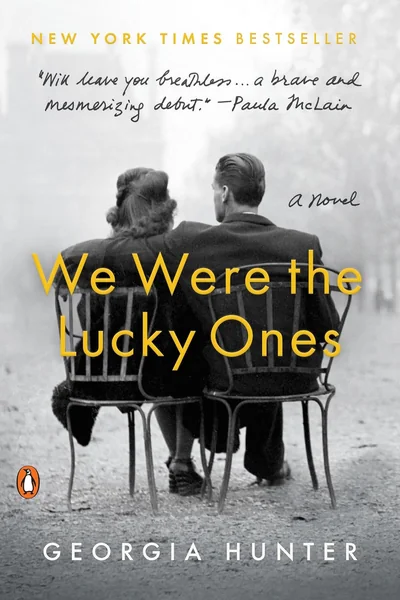
- Readers drawn to Boyne's Holocaust fable have several natural next steps. Boyne's own All the Broken Places revisits the aftermath of these events through Gretel, Bruno's older sister, as an elderly woman reckoning with the past. For another child-perspective Holocaust novel, Markus Zusak's The Book Thief is the most common companion; Heather Morris's The Tattooist of Auschwitz and Ruta Sepetys's Salt to the Sea offer adult-oriented takes on survival under the Nazis, while Georgia Hunter's We Were the Lucky Ones traces one Jewish family's scattering across the war.
- Who should read this?
- The publisher pitches it at grades seven through nine, with customer-suggested reading ages from nine up, and it has become a fixture of middle-school and early-secondary classrooms and book clubs. It suits readers — young or adult — who respond to moral fable and child-perspective narration and who are prepared to discuss what the fable simplifies. Readers who prioritize historical precision in Holocaust fiction will find the implausibilities grating and should look to testimony or nonfiction instead.
- What age is it for?
- Best for ages 9 and up, with the publisher pitching it at grades seven through nine — though many families use it with mature nine-to-eleven-year-olds as a gradual first introduction to the Holocaust. The prose is short, accessible, and non-graphic, but the ending is genuinely devastating rather than redemptive, and the historical simplifications mean younger readers benefit from an adult ready to discuss what the fable leaves out.
- About John Boyne
- John Boyne is an Irish novelist and writer. The Boy in the Striped Pajamas is his best-known work and has won multiple international awards.
- Tell me about the adaptation
- The novel was adapted into a 2008 feature film, which brought the story of Bruno and Shmuel's cross-fence friendship to a wider audience and reinforced the book's status as a classroom fixture. The film retains the book's tragic, non-redemptive conclusion, and the same historical criticisms leveled at the novel apply to the adaptation.
- Is this a good book club pick?
- Yes — its controversy makes it unusually discussion-rich. Book clubs can wrestle with the central debate: whether the child-eye fable is a legitimate artistic device or a sentimental simplification of the Holocaust, and whether Bruno's ignorance is innocence or implausibility. It pairs well with testimony or nonfiction so the group can weigh the fable against the historical record.
- How does it compare to All the Broken Places?
- All the Broken Places (2022) is Boyne's own sequel, following Bruno's older sister Gretel as an elderly woman in London reckoning with her family's complicity in Auschwitz. Where The Boy in the Striped Pajamas is a children's fable built on a narrator who understands nothing, the sequel is an adult novel built on a narrator who understands everything and must live with it — a more historically self-aware counterpoint. Readers of the original will recognize how directly Boyne responds to decades of debate about his most famous book.
Summarize this book
Follow up
Synthesized from verified book data & published reviews · How we review
Press Enter to ask. Answers come from our editorial Q&A — start typing to see related questions.
Age & Reading Level
Recommended age
Ages 8–12
Reading level
Middle grade
Content to know about
Best for: Ages 9+ — publisher-suggested age, pitched at grades 7–9; the prose is accessible, but the Holocaust subject matter and a genuinely devastating, non-redemptive ending warrant adult guidance for younger readers
Skip if you prioritize documentary accuracy in Holocaust fiction — the fable's premise strains historical credibility and is best paired with testimony or nonfiction
Editorial Review
John Boyne's novel follows Bruno, the nine-year-old son of Auschwitz's commandant, and his forbidden friendship through the camp fence with Shmuel, a Jewish prisoner his own age. A multi-award-winning classroom staple praised for its child-eye narration, it is also persistently criticized for historical implausibility — a powerful fable best read with that debate in view.
Read the Full ReviewBooks like The Boy in the Striped Pajamas
Curated picks for readers who enjoyed The Boy in the Striped Pajamas, with our reasoning for each match.
If you liked The Boy in the Striped Pajamas
Why It’s Trending