At a glance
LuvemBooks Verdict
Best for: Middle-grade readers aged ten and up — particularly those in grades five through seven — who are drawn to character-driven historical fiction exploring the psychological cost of hatred, revenge, and moral transformation against the backdrop of Roman-occupied first-century Galilee.
Worth it? Skip it? Read the full verdict →Ask LuvemBooks
Was this helpful?
- Is it worth reading?
- For readers drawn to historically grounded fiction that engages seriously with faith, political violence, and moral transformation, The Bronze Bow is a richly constructed and enduring work. It won the 1962 Newbery Medal — the same honor Speare had taken home just three years earlier for The Witch of Blackbird Pond — and critics at the time praised her for 'succeeding admirably in re-entering the era and filling it with entirely human characters.' Its decades-long presence on school reading lists reflects genuine staying power. The key caveat is that it is a demanding rather than light read; the weight of Daniel's grief and rage is present throughout, and it rewards readers willing to meet that thematic seriousness.
- Similar books
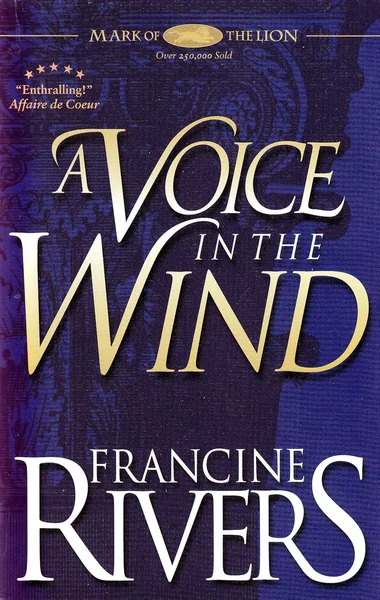
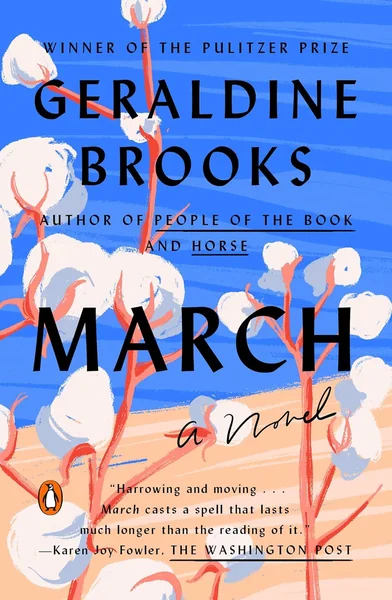
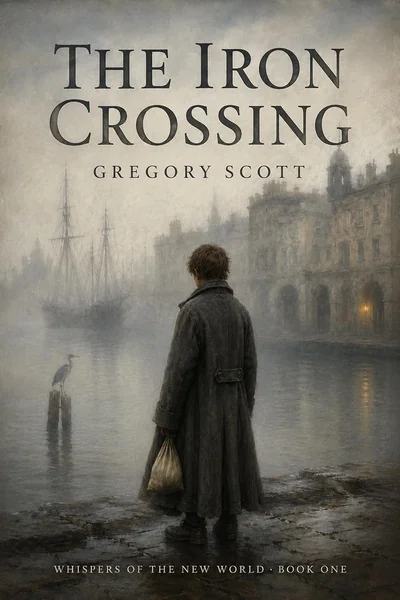
- Readers who responded to The Bronze Bow's blend of historical grounding, moral seriousness, and faith themes will find a number of strong companions on the shelf. March by Geraldine Brooks and The Good Lord Bird by James McBride both use real historical conflict — the Civil War era — as the backdrop for morally complex character studies, much as Speare uses Roman occupation. For readers drawn to the faith and transformation dimension, As Sure as the Dawn by Francine Rivers offers similar territory in early-Christian historical fiction. The Iron Crossing by Gregory Scott provides another strand of historically grounded adventure fiction for readers in this space. Speare's own The Sign of the Beaver, while set in colonial America rather than Galilee, offers a comparable seriousness of purpose from the same author.
- Who should read this?
- The Bronze Bow is designed for readers from around age ten upward and has found its most durable home in grades five through seven. It is an especially strong fit for readers drawn to historical fiction grounded in real geopolitical conflict — specifically the Roman occupation of first-century Israel — and for those interested in character studies built around moral transformation and the psychology of revenge. It works well as both a classroom text and independent reading, and readers who appreciated Speare's The Witch of Blackbird Pond will find the same seriousness of purpose here. Those seeking a light or episodic adventure story should be aware that the novel's thematic weight — grief, rage, occupation, and the possibility of forgiveness — is sustained throughout.
- What age is it for?
- Best for readers ages 10 and up. The Bronze Bow is designed for middle-grade audiences and has been a fixture in grades five through seven as both a classroom and independent reading text. LuvemBooks notes that younger readers at the lower end of the recommended range benefit from contextual grounding in the political climate of first-century Roman-occupied Israel, as the occupied-nation backdrop and its attendant themes of violence, crucifixion, and grief are central to the narrative rather than incidental.
- About Elizabeth George Speare
- Elizabeth George Speare was an American writer of children's historical fiction. She is one of the rare authors to have won two Newbery Medals — the award that recognizes the year's 'most distinguished contribution to American literature for children.'
- What are the main themes?
- The Bronze Bow's central preoccupation is the psychological cost of unrelenting hatred — specifically, whether the rage that keeps Daniel bar Jamin alive after his father's crucifixion is ultimately more destructive to him than the Roman Empire itself. Woven through this are themes of political violence and occupation, the tension between vengeance and forgiveness, and the possibility of moral transformation. The introduction of Jesus of Nazareth and his message of love is not a peripheral element but the direct counter-force to Daniel's worldview, making faith and its demands on human behavior a sustained thematic concern. The novel also uses supporting characters — particularly Marcus, the young Roman soldier who befriends Leah — to make the moral dilemma personal rather than abstract.
- Why did it win the Newbery Medal?
- The Bronze Bow won the 1962 Newbery Medal for excellence in American children's literature — the same award Speare had taken home just three years earlier for The Witch of Blackbird Pond, making her one of the rare two-time winners of the prize. Critics at the time praised Speare for 'succeeding admirably in re-entering the era and filling it with entirely human characters,' calling the result 'alive and colorful biblical fare in the well modulated manner of Elizabeth Speare.' Its decades-long presence on school reading lists suggests the Newbery committee's judgment has held up across generations of readers.
Summarize this book
Follow up
Synthesized from verified book data & published reviews · How we review
Press Enter to ask. Answers come from our editorial Q&A — start typing to see related questions.
Age & Reading Level
Recommended age
Ages 8–12
Reading level
Middle grade
4 content notes · who it suits
Content to know about
Best for: Ages 10+ — abstract themes of political violence, grief, and moral transformation suit confident middle-grade readers; younger readers benefit from adult guidance and historical context.
Skip if you're looking for a light adventure story without sustained moral or emotional weight.
Editorial Review
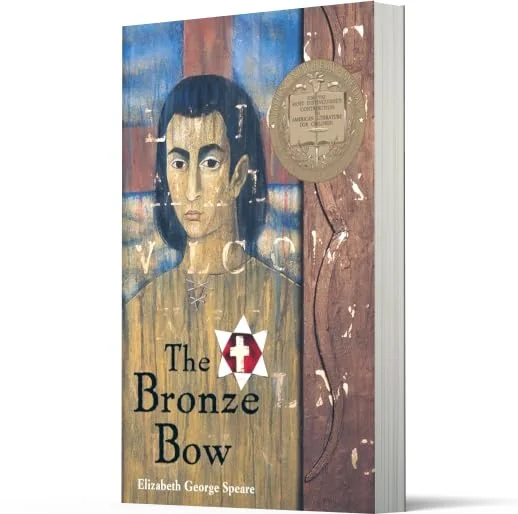
Elizabeth George Speare's The Bronze Bow is a Newbery Medal–winning historical fiction novel set in first-century Galilee, following Daniel bar Jamin — a young Jew consumed by hatred for the Roman Empire — whose encounter with Jesus of Nazareth forces him to confront whether vengeance or love will define his life. Originally published in 1961 and reissued by Clarion Books, it remains a staple of middle-grade historical fiction and classroom reading.
Read the Full ReviewBooks like The Bronze Bow
Curated picks for readers who enjoyed The Bronze Bow, with our reasoning for each match.
If you liked The Bronze Bow