Skip to content
Reviewed

Read Time

8 min read

Our age bandAdult
Reader rating
4.6 · 145,551 Amazon ratings, as of Nov 2026
reader ratings, not a LuvemBooks score
Curated & edited by

LuvemBooks Editorial

How we create our reviews →
Share This Review
A Gentleman in Moscow by Amor Towles front cover

Our review

A Gentleman in Moscow

A Gentleman in Moscow Review: Charm and Confinement in the Metropol

Sentenced to house arrest in a Moscow hotel in 1922, Count Alexander Ilyich Rostov must forge a new life within a single room. Amor Towles’ 2016 historical novel traces his decades-long journey from aristocratic exile to finding profound meaning in constrained circumstances.

Our age band: Adultpolitical upheaval · loss of status

LuvemBooks Verdict

Best for

Best for readers who appreciate meticulously crafted prose and quiet, character-driven fiction that prioritizes philosophical insight over relentless action.

Worth it if

Worth reading if you can push through a deliberate, anecdotal opening to discover a deeply likeable protagonist whose journey toward purpose builds into a rewarding emotional payoff.

Skip if

Skip it if you seek high-stakes plot progression, immediate suspense, or a fast-paced narrative, as the novel's deliberate pacing and minimal conflict will test your patience.

Where reviewers agree and split

Readers rate it 4.6 on Amazon. The reviews we read that discuss it in depth split on some points:

  • Positive

    BookBrowse · Magazine: memorable character and well-written novel worth the time

  • Positive

    Shelf Reflection · Book blog: highly enjoyable, wise, and meaningful historical fiction

  • Positive

    BookShelf Discovery · Book blog: literary page-turner with a pitch-perfect setup and characters

  • Positive

    Luke Harkness · Book blog: heartwarming sleeper hit with joyful writing and great characters

  • Negative

    Novel Notions · Book blog: beautifully written but ultimately boring and lacking drama

Only BookBrowse and Luke Harkness discuss its characters: both praise the protagonist's charm.

  • Characters

    2 praise the protagonist's charm

Characters

Praise

“The Count is one of literature's more memorable characters”

— BookBrowse · Magazine
Praise

“Towles has written a deeply likeable character here.”

— Luke Harkness · Book blog
Overall verdicts are our summary of each review we read, from its headline, rating and conclusion. Topic counts use only words we can quote (2 reviews: 1 magazine, 1 book blog).

BookBrowse and Shelf Reflection praise the novel for its memorable protagonist and wise, engaging exploration of purpose, while NPR highlights Towles's distinctive stylistic flair and charming tone. Conversely, Novel Notions criticizes the work for lacking suspense and captivating drama, noting that it ultimately fell flat.

“Flair is always the goal — Towles never lets anyone merely say goodbye when they could bid adieu”

— NPR
Sources: BookBrowse, Shelf Reflection, NPR, Novel Notions
4.6from 145,551 Amazon ratings, as of Nov 2026— reader ratings, not a LuvemBooks score

Ask LuvemBooks

Was this helpful?

A Gentleman in Moscow follows Count Alexander Rostov’s decades-long confinement in a Moscow hotel room after his sentencing by the Bolsheviks, transforming a life of aristocratic privilege into a profound meditation on purpose and human connection. While Towles delivers masterful prose and a strong protagonist, the minimal plot may test readers expecting immediate action. Ultimately, it is a rewarding choice for those who appreciate quiet fiction over relentless suspense.
Is it worth reading?
It is worth reading if you can push through a deliberate opening to discover a central figure whose journey builds into a rewarding emotional payoff. Critics like BookBrowse and Shelf Reflection praise its wise exploration of what it means to live with purpose, though Novel Notions notes the minimal suspense may frustrate some. Readers who appreciate polished writing and nuanced storytelling will find the payoff substantial.
Similar books
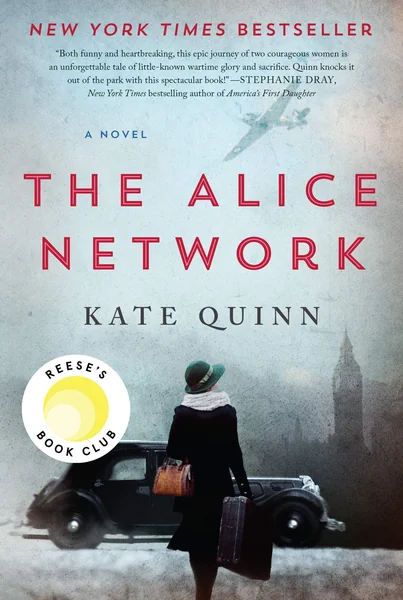
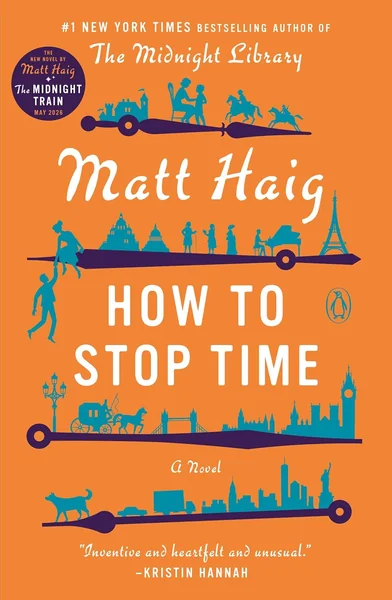
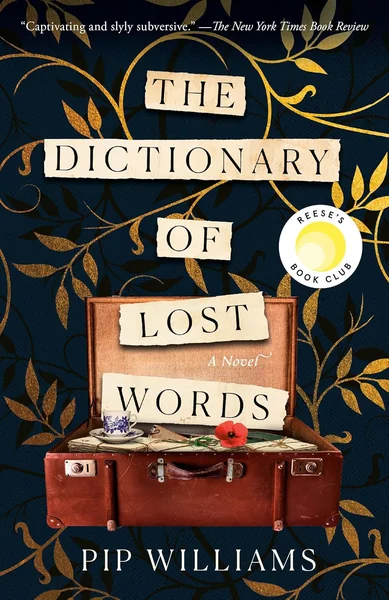
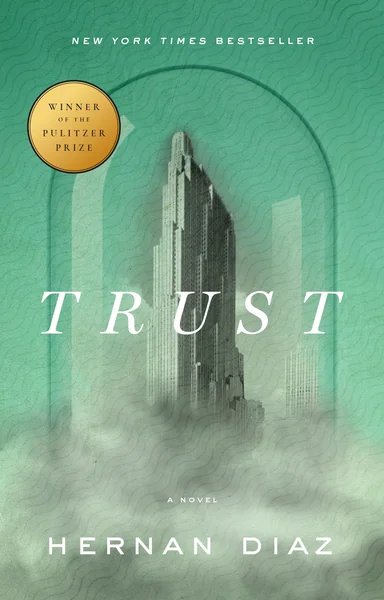
Readers who enjoy this constrained, character-driven narrative will likely appreciate How to Stop Time by Matt Haig, The Dictionary of Lost Words by Pip Williams, Trust by Hernan Diaz, and The Alice Network by Kate Quinn. These titles share a focus on richly detailed historical settings, complex protagonists navigating shifting worlds, and prose that prioritizes emotional depth over plot mechanics.
Who should read this?
This novel is best suited for readers who favor quiet observation. It appeals to those who enjoy philosophical insights woven into personal journeys, as well as fans of meticulously researched settings and elegant prose. The book is also highly recommended for book clubs seeking rich material for discussion.
How does the book handle history?
Towles grounds the narrative in the specific details of the real Hotel Metropol, using it as a microcosm of Russia's tumultuous transformation from the Bolshevik revolution through the post-war era. The era's turbulence is observed through the lens of hotel management and daily life, allowing the protagonist to witness history from an insulated distance. This approach emphasizes how ordinary people navigate extraordinary political shifts.
What is the book's structure like?
The novel employs a mathematical approach to time, with chapters set according to a doubling then halving chronological structure. This begins with days and weeks before expanding into years, emphasizing the Count's gradual expansion of goals in his shrinking physical world. The shifting intervals mirror how memory and experience accumulate during prolonged confinement.
Summarize this book

Summarize this book

Sent to confinement in the attic of Moscow’s grand Hotel Metropol in 1922, Count Alexander Rostov must forge a new life within a single room. Over three decades of Soviet history, he navigates political upheaval and personal loss while finding meaning through his relationships with hotel staff and guests. The novel charts his journey from disgraced aristocrat to a man who masters his circumstances through grace and dignity.

Follow up

Is the pacing slow?
How accurate is the history?

Synthesized from verified book data & published reviews · How we review

Ask LuvemBooks

What would you like to know about A Gentleman in Moscow?

Answers come from our editorial notes on this book. If we haven't covered something, we'll say so.

Readers often ask

Our Review

We review the evidence: published critics, book bloggers and reader verdicts, gathered and weighed with AI assistance and edited by LuvemBooks, rather than one reader's first-hand take.

A Gentleman in Moscow delivers a masterfully crafted portrait of dignity under siege, rewarding patient readers with a deeply human story about purpose and grace.
A Gentleman in Moscow by Amor Towles front cover

The Premise and the Metropol

On June 21, 1922, Count Alexander Ilyich Rostov is convicted of social parasitism by a Bolshevik tribunal. Instead of execution, he receives a sentence of indefinite house arrest in the attic of Moscow’s grand Hotel Metropol.
The Count is stripped of his aristocratic estate and confined to a tiny room with a window the size of a chessboard. This confinement establishes the central setting for the novel, which spans over three decades of Soviet history.
Towles grounds the narrative in the specific details of hotel life, from the dining room to the concierge desk. The Metropol becomes a microcosm of Russia itself, allowing the protagonist to observe the nation's tumultuous transformation from a safe, insulated distance.
The novel’s unique structural choice dictates the passage of time. Each chapter is set according to a doubling then halving chronological structure, beginning with days and weeks before expanding into years.
This mathematical approach to time emphasizes the Count's gradual expansion of purpose within his shrinking physical world. The shifting intervals mirror the way memory and experience accumulate during prolonged confinement.
Towles drew inspiration for the novel from his own experiences staying at luxury hotels, particularly a Geneva property with permanent residents. He combined this observation with Russia's historical tradition of house arrest to craft the story's unique premise.
The protagonist's background is revealed through flashbacks to his upbringing on the Idlehour estate. His godfather, Grand Duke Demidov, counseled him early on that a man who does not master his circumstances will be mastered by them.
The narrative begins immediately after the Bolshevik revolution, capturing the era's political upheaval through the lens of hotel management. The Count's former life in the Russian aristocracy is contrasted sharply with his new reality as a social parasite.

A Study in Dignity and Wit

The Count navigates his new reality with unshakable composure and erudition. He forges meaningful connections with a glamorous actress, a cantankerous chef, and a serious young boy named Misha.
BookBrowse noted that the Count conquers every situation with aplomb, making his journey a fun ride despite the grim premise. The novel is celebrated for its glittering cast of characters and its refusal to succumb to bitterness.
The prose itself is a primary engine of the story, characterized by a distinct stylistic flair. Critics highlighted Towles's gorgeous sleight of hand, praising his refusal to let characters merely say goodbye when they could bid adieu.
Shelf Reflection found the novel wise, mischievous, and endearing, praising its meaningful exploration of what it means to live with purpose. The Count’s interactions with other guests and staff consistently highlight his generous spirit.
BookShelf Discovery described the book as a rare literary page-turner that balances humor and heart. The review emphasized that Towles brings to life characters readers care for while providing ample moments of laughter and warmth.
Luke Harkness noted that the Count is a deeply likeable character who treats everyone with the same grace regardless of social station. Luke Harkness found the confinement to feel almost like a positive experience due to the remarkable people the Count meets.
The novel avoids the common pitfalls of Russian literature by simplifying naming conventions, which keeps the focus firmly on the protagonist's internal journey. This deliberate clarity allows the philosophical themes to take center stage without distracting linguistic complexity.
He approaches every encounter with the same refined decorum, transforming a prison into a community.

Where the Narrative Stalls

The novel's deliberate pacing requires patience from its initial chapters. BookBrowse admitted that the narrative begins somewhat anecdotal and that they found themselves wondering whether the story was going anywhere around page two hundred.
Some readers find the middle section meanders before the plot gains momentum. Novel Notions rated the book negatively, citing minimal suspense, conflict, or captivating drama as primary drawbacks.
The lack of immediate, high-stakes action may frustrate readers seeking a fast-paced thriller. The novel prioritizes philosophical insight and character development over traditional plot progression.
The structural doubling of time intervals can feel repetitive to some audiences. The gradual stretching of chapters mirrors the Count's experience but may test the endurance of readers expecting continuous narrative drive.
Despite these pacing concerns, the narrative eventually accelerates after an unexpected arrival disrupts the Count's routine. The midpoint shift focuses the action and drives the story toward its conclusion with renewed urgency.

Is A Gentleman in Moscow Worth Reading?

Weighing these reviews, the book ultimately succeeds as a character-driven meditation on grace under pressure. It is best suited for readers who appreciate historical fiction that favors quiet observation over relentless action.
The novel’s enduring appeal is evident in its status as a mega-bestseller and a New York Times Readers’ Choice Best Book of the 21st Century. Its themes of finding purpose within limitations continue to resonate with audiences decades later.
The story also sparked significant adaptation interest, with EOne acquiring rights in 2017 and Ewan McGregor cast in the lead by 2022 for a Paramount+ and Showtime series. This screen interest underscores the strong visual and emotional core of the narrative.
The Hollywood Reporter confirmed the casting details in 2022, highlighting the project's international scope. This development demonstrates the enduring cinematic appeal of the Count's journey.
Readers who enjoy meticulously crafted prose and slow-burn character studies will likely find the payoff substantial. Those seeking immediate plot twists or high-octane drama may find the experience less engaging.
The book remains a highly recommended choice for book clubs seeking rich material for discussion. Its exploration of what constitutes a gentleman and how one finds meaning in adversity provides ample ground for debate.
Readers who appreciate historical fiction will find the setting meticulously researched. The Metropol hotel is a real establishment built in 1905, grounding the fictional narrative in tangible history.

Sources & Further Reading

The key facts and claims in this review are grounded in the retrieved, verified sources listed below.

  1. Cited in this review
  2. 1
  3. 2
  4. Further reading
  5. 3
  6. 4
  7. 5
  8. 6
  9. 7
  10. 8
  11. 9
  12. 10
  13. 11

Age & Reading Level

Our age band

Adult

Our age band groups books for browsing; it isn't an age a review gave.

Content to know about

political upheaval
loss of status
confinement and isolation

Skip if you seek high-stakes plot progression, immediate suspense, or a fast-paced narrative, as the novel's deliberate pacing and minimal conflict will test your patience.

From our readers

Reader reviews

No LuvemBooks readers have answered yet.

Read it? Was it right for you?

Books like A Gentleman in Moscow

Curated picks for readers who enjoyed A Gentleman in Moscow, with our reasoning for each match.

Discussion

Reader comments