
9 min read
4.3
· 35,956 Amazon ratingsShare This Review

Our review
How to Stop Time
How to Stop Time by Matt Haig Review: A Century-Spanning Historical Fantasy Novel
How to Stop Time is a historical fantasy novel in which Tom Hazard — born in 1581 in France and cursed with a condition that makes him age at a glacial pace — navigates centuries of human history before returning to present-day London as a high school history teacher. Reception was split: starred reviews from Booklist and Publishers Weekly sit alongside mixed notices from The New York Times and other outlets, making this a novel that passionate Haig fans and readers of high-concept literary fantasy are most likely to embrace.
LuvemBooks Verdict
Best for
Readers drawn to high-concept literary fantasy that uses an impossible premise — centuries of accumulated grief and connection — as a philosophical lens on what makes a human life meaningful.
Worth it if
Worth reading if you gravitate toward wistful, meditative fiction that blends historical sweep with quiet emotional ambition, and are happy to trade sharp comic wit for a more earnest, melancholy register.
Skip if
Skip it if you came expecting the sharp-edged black humor and incisive comedy of Haig's earlier novel The Humans, as this quieter, more philosophical book occupies noticeably different emotional territory.
What readers & critics say
According to en.wikipedia.org, the novel earned starred reviews from Booklist and Publishers Weekly alongside positive notices from The Guardian, NPR, The Washington Post, and Kirkus Reviews, while also drawing mixed or negative assessments from The New York Times, The Los Angeles Times, and PopMatters. Kirkus Reviews, whose review page was retrieved directly, describes it as "an engaging story framed by a brooding meditation on time and meaning," capturing the philosophical ambition that both attracts and divides its readership.
“An engaging story framed by a brooding meditation on time and meaning.”
— Kirkus Reviews“Tom's condition places him at a mournful distance from the rest of humanity, doomed to see everyone he loves age and die.”
— The Guardian“The time traveler's most notable experience is meeting other people who weren't time travelers — who were, in their proper moment, just famous as all hell.”
— NPRAsk LuvemBooks
Was this helpful?
- Is it worth reading?
- For readers drawn to high-concept literary fantasy that uses an impossible premise to explore grief, connection, and mortality, How to Stop Time is a rewarding and emotionally ambitious novel. Critics praised its energy and momentum — noting 'the energy and zip of this book are hard to resist' — and Haig's genuine feel for what it means to be an outsider makes Tom's centuries-long weariness believable. The important caveat is that readers who came to the book expecting the sharp-edged black humor of The Humans may find the more earnest, wistful register here a disappointment — the split reception (starred reviews from Booklist and Publishers Weekly versus mixed notices from The New York Times and PopMatters) reflects exactly that divide.
- Similar books
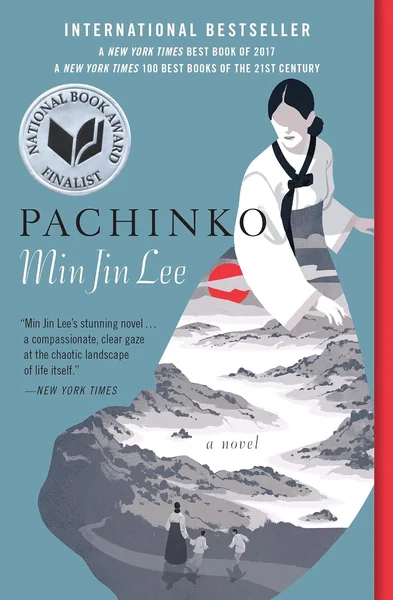
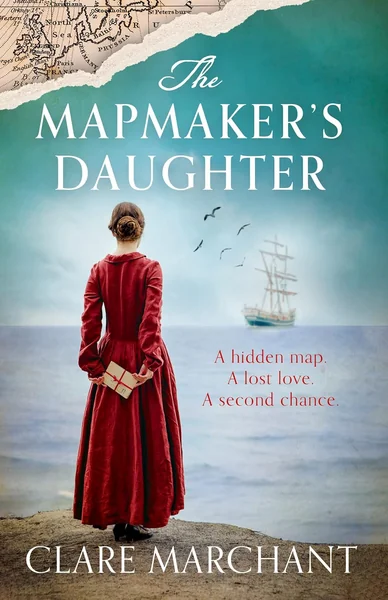
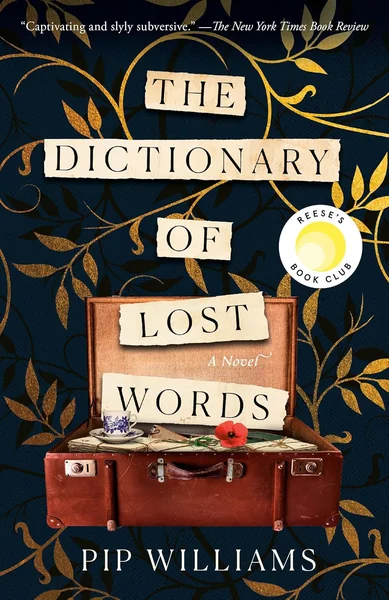
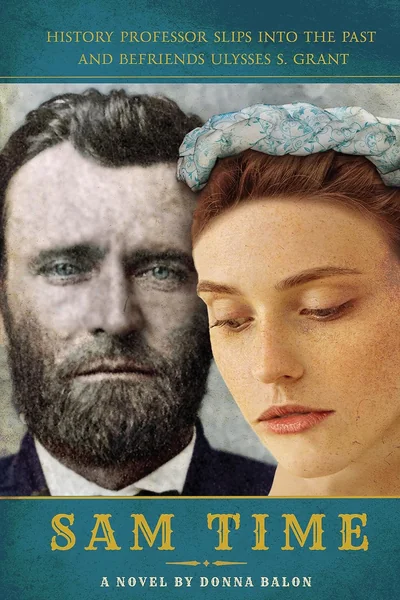
- Readers who enjoy How to Stop Time's blend of sweeping historical scope and philosophical interiority will find much to explore in the curated selections below. Matt Haig's own The Midnight Library shares the same core preoccupation — a protagonist confronting alternate versions of a life unlived — and is the natural next read. For literary fiction spanning generations and centuries, Min Jin Lee's Pachinko offers a similarly ambitious historical canvas and emotional weight. Clare Marchant's The Mapmaker's Daughter and Pip Williams' The Dictionary of Lost Words both explore history through intimate, character-driven lenses. Donna Balon's Sam Time: History Professor Slips into the Past is a more playful take on time and history that will appeal to readers drawn to the concept of living across eras.
- Who should read this?
- How to Stop Time is best suited to readers of literary fiction and high-concept historical fantasy who are drawn to novels that use an impossible premise as a philosophical device rather than an adventure engine. Haig's fans — particularly those who came to him through Reasons to Stay Alive or The Midnight Library — will feel at home in the novel's emotionally open, introspective register. It is also well-matched to readers who enjoy sweeping historical canvases populated by famous figures, and who appreciate melancholy meditations on grief, time, and human connection. Readers specifically seeking the sharp comic wit of The Humans are the group most likely to find it falls short of expectations.
- About Matt Haig
- Matt Haig is an English author and journalist.
- Tell me about the adaptation
- How to Stop Time has a television adaptation in development involving Benedict Cumberbatch's production company SunnyMarch, a signal of the story's perceived dramatic and commercial potential. No release date has been widely confirmed. Separately, Haig's novel The Midnight Library — which shares thematic DNA with How to Stop Time — has a major film adaptation in the works with Florence Pugh attached to star, and that project is driving considerable renewed interest in Haig's wider catalogue, including this novel.
- What are the main themes?
- How to Stop Time is fundamentally a meditation on time, grief, and human connection. Tom Hazard's centuries-long lifespan is less a fantasy adventure device and more a lens through which Haig examines what makes a human life meaningful — what it costs to lose everyone you love, and whether the risk of connection is worth the certainty of loss. Critics noted that the novel frames time 'not as a tyranny, but as a social glue,' suggesting that what binds us to one another is precisely our shared, finite experience of mortality. The novel also explores the experience of being a perpetual outsider — someone who witnesses history but can never truly belong to any moment in it.
- How does it compare to The Midnight Library?
- Both How to Stop Time and The Midnight Library share Haig's characteristic preoccupation with mortality, regret, and the question of what makes a life worth living — but they approach that territory differently. The Midnight Library is Haig's most celebrated recent work, earning wide critical acclaim and a devoted readership. How to Stop Time received a more divided reception: starred reviews from Booklist and Publishers Weekly sit alongside mixed notices from The New York Times and other outlets. Where The Midnight Library offers a high-concept but relatively contained premise, How to Stop Time spans centuries of lived history, giving it greater structural sweep but also a more earnest, less immediately charming register.
Summarize this book
Follow up
Synthesized from verified book data & published reviews · How we review
What would you like to know about How to Stop Time?
Answers come from our editorial notes on this book. If we haven't covered something, we'll say so.
Readers often ask
Our Review
This review covers the book's content, premise and published critical reception, not a first-hand reading.
What the Novel Actually Is
The Central Conceit and Its Historical Architecture
Haig's Range and the Novel's Emotional Register
Where the Novel Divides Critics
Who This Novel Is For
Sources & Further Reading
The key facts and claims in this review are grounded in the retrieved, verified sources listed below.
- 1
Matt Haig, LuvemBooks
- 2
en.wikipedia.org
- 3
- 4
- 5
matthaig.com
- 6
booksummaryinsight.com
- 7
bookbrowse.com
- 8
- 9
fictionophile.com
- 10
bookclubchat.com
- 11
- 12
newbookrecommendation.com
- 13
barnesandnoble.com
Age & Reading Level
Recommended age
Adult
Heat level
Mild · brief romantic content, not a focus of the novel
Tropes
From how readers and romance sites describe it, not our own reading.
who it suits
Skip if you're looking for the sharp-edged black humor and comic wit of Haig's earlier novel The Humans
Reader reviews
Be one of the first readers to answer.
Read it? Was it right for you?
Books like How to Stop Time
Curated picks for readers who enjoyed How to Stop Time, with our reasoning for each match.
More by Matt Haig

If you liked How to Stop Time