David D. Burns
1
Books ReviewedAsk LuvemBooks about David D. Burns
- Where should I start?
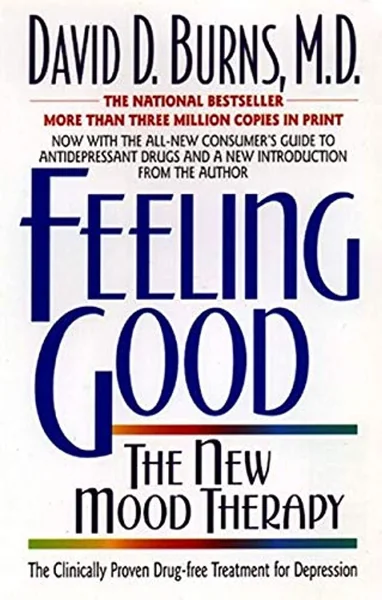
- Feeling Good: Overcome Depression and Anxiety with Proven Techniques is the natural starting point — and, on LuvemBooks, currently the only reviewed title. It introduces Burns's core framework for identifying cognitive distortions and replacing them with more balanced thinking, and it's structured so that readers can work through exercises at their own pace without prior knowledge of psychiatry or therapy. Its 4.5/5 Amazon reader rating across nearly 9,000 ratings reflects how consistently it delivers on that promise.
- What's their writing style?
- Burns writes in a direct, clinical-but-accessible voice that prioritizes practical utility over literary style. He uses concrete case studies drawn from his psychiatric practice to illustrate how specific cognitive distortions — such as all-or-nothing thinking or catastrophizing — play out in real situations, then walks readers through structured exercises to counter them. The tone is encouraging without being sentimental, and he is notably candid about the limits of positive thinking as a strategy, which gives his work a credibility that sets it apart from much of the self-help genre.
- Books we've reviewed
- LuvemBooks has reviewed one book by David D. Burns: Feeling Good: Overcome Depression and Anxiety with Proven Techniques, a hands-on guide to applying cognitive behavioral therapy techniques for managing depression and anxiety, rated 4.5/5 by Amazon readers across nearly 9,000 ratings.
- Why is Feeling Good trending?
- Feeling Good: Overcome Depression and Anxiety with Proven Techniques is currently experiencing a resurgence in readership, a pattern that has repeated for this title several times since its original publication. Books grounded in CBT techniques tend to see renewed interest during periods of heightened public conversation around mental health, and Feeling Good consistently benefits from therapist recommendations and word-of-mouth from readers who find it genuinely useful rather than merely motivational. Its longevity is a testament to the durability of its underlying method.
- What genre do they write?
- Burns writes in the Health & Wellness genre, with a specific focus on mental health and applied psychology. His work is more accurately described as evidence-based self-help than general wellness writing — he draws directly on clinical cognitive behavioral therapy and presents its methods in a structured, workbook-style format intended for readers to use actively rather than passively. If you're drawn to books that treat mental health practically and rigorously, his work fits squarely in that space.
- What should I read after Feeling Good?
- After Feeling Good, the most natural next step within Burns's own catalog is The Feeling Good Handbook, which expands the framework to cover anxiety and relationship issues more explicitly and includes additional exercises. If you want to explore CBT more broadly, Aaron Beck's foundational texts or Robert Leahy's The Worry Cure build directly on the same theoretical tradition. For a complementary but distinct approach, Russ Harris's The Happiness Trap applies Acceptance and Commitment Therapy to similar problems.
Who is David D. Burns?
Follow up
Synthesized from verified book data & published reviews · How we review
Press Enter to ask. Answers come from our editorial Q&A — start typing to see related questions.
Authors Like David D. Burns
Bessel van der Kolk
Bessel van der Kolk is a Boston-based Dutch-American psychiatrist, author, researcher and educator.
1 book reviewed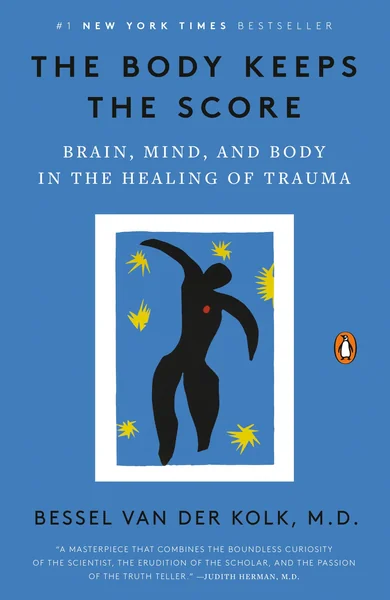
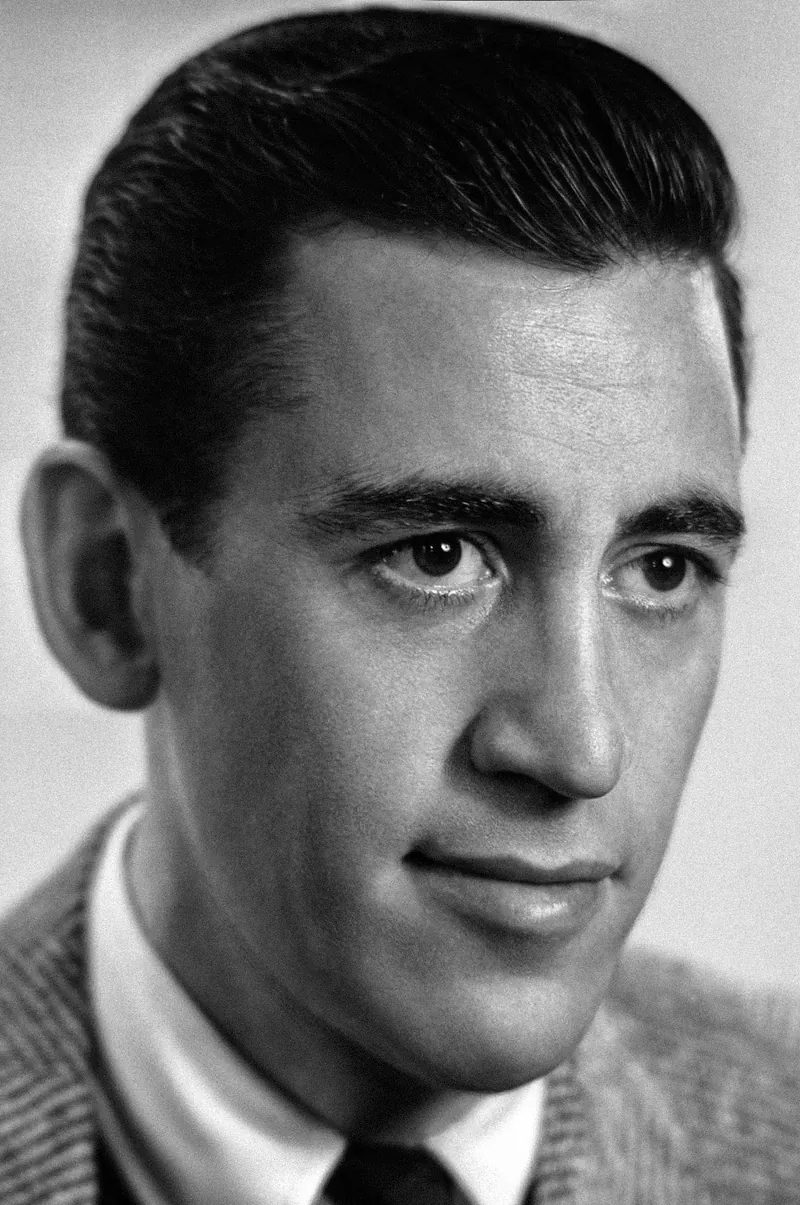
J. D. Salinger
Jerome David Salinger was an American author best known for his 1951 novel The Catcher in the Rye.
1 book reviewed

Kristin Neff
Kristin Neff, Ph.D., is an Associate Professor of Educational Psychology at the University of Texas at Austin and a pioneer in self-compassion research, having conducted the first empirical studies in the field. She is the author of Self-Compassion: The Proven Power of Being Kind to Yourself (William Morrow, 2011) and co-founded the nonprofit Center for Mindful Self-Compassion (CMSC).
1 book reviewed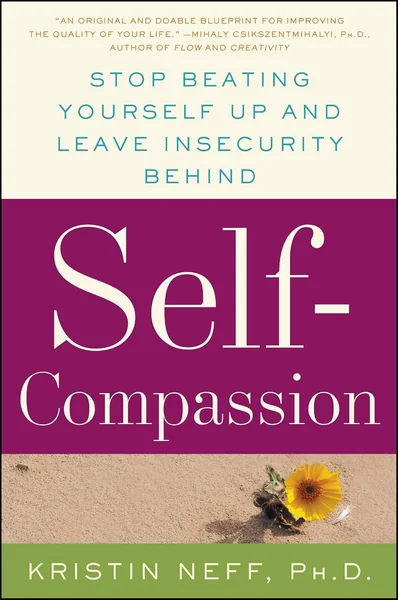

Peter Attia
Peter Attia is a Canadian-American author and former researcher known for his work in longevity medicine.
1 book reviewed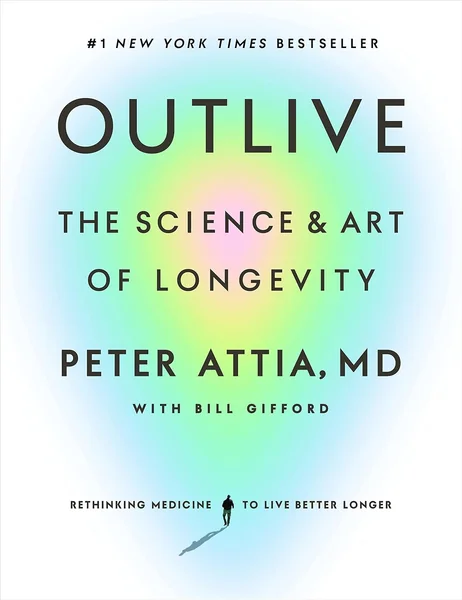
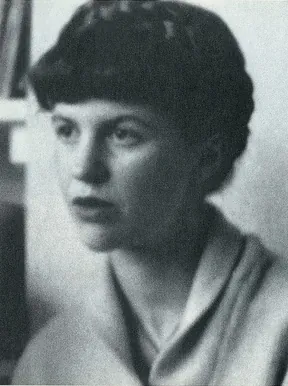
Sylvia Plath
Sylvia Plath was an American poet and author.
1 book reviewed
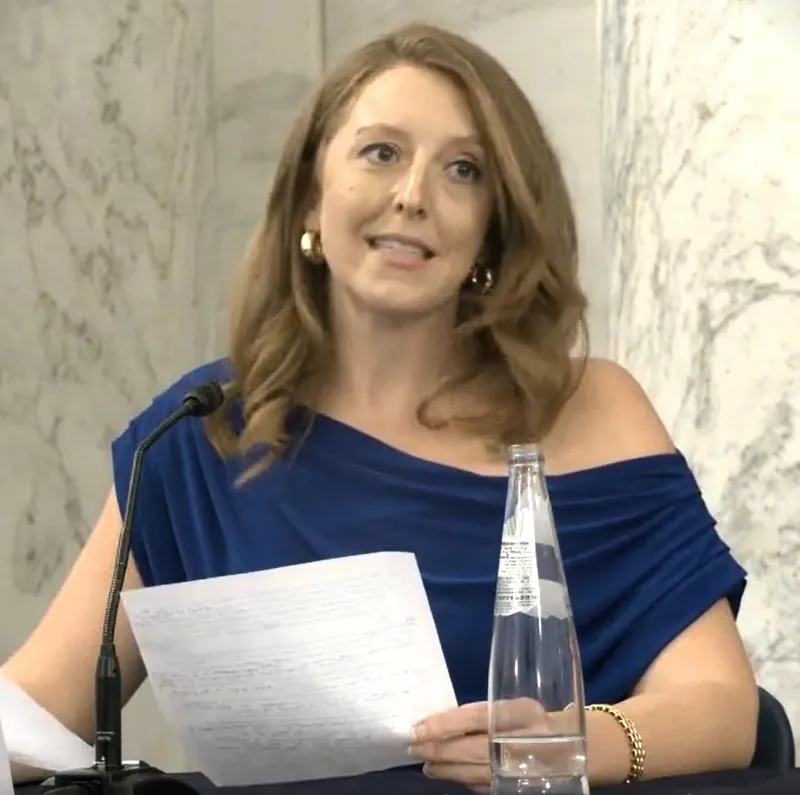
Casey Means
Paula Casey Means, known as Casey Means, is an American wellness influencer, author, and former physician..
1 book reviewed