
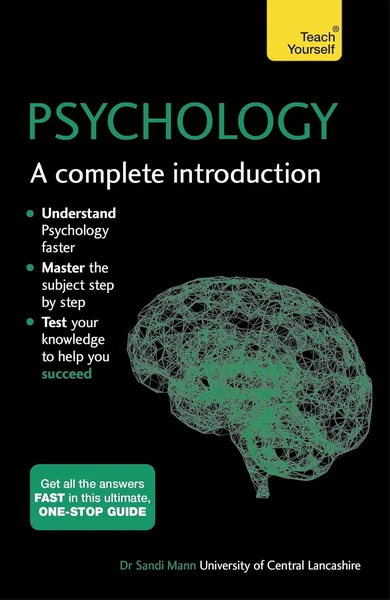
Psychology
by Sandi Mann
3.8/5
A broad survey of psychology's major theories, research traditions, and applied areas, written as an accessible introduction for general readers and students.
$11.04 on AmazonAt a glance
About the Author
Sandi Mann1 book reviewed · 3.8 avg
Ask LuvemBooks
- Summarize this book
- Psychology: A Complete Introduction is Dr. Sandi Mann's accessible survey of psychological theory, published in 2017 as part of the Teach Yourself series. It covers a wide sweep of the discipline — from developmental and cognitive psychology to social behavior, mental health, and personality theory — using clear prose that connects academic ideas to everyday human behavior. The structure is progressive, making it most rewarding for readers who work through it sequentially. It's designed as a foundation for further reading rather than a deep dive into any single area.
- Is it worth reading?
- For the right reader, yes — Psychology: A Complete Introduction earns its 3.8/5 rating as a reliable, well-written entry point into psychological theory. Curious beginners, A-level students, and professionals in adjacent fields who want a psychological framework will find real value in Mann's clarity and balanced coverage. However, readers with prior psychology knowledge will find it too broad to add much value, and the 2017 publication date means some research has since been questioned in light of the replication crisis. Go in knowing it's a map, not a territory.
- About Sandi Mann
- Dr. Sandi Mann is a senior psychology lecturer at the University of Central Lancashire and a practising psychotherapist, giving her both academic grounding and clinical perspective. She's known for making psychological research accessible to general audiences, and her writing style reflects that — clear, conversational, and free of unnecessary jargon without dumbing concepts down. Beyond this book, she has written on topics including boredom, emotion management in the workplace, and mindfulness. Psychology: A Complete Introduction showcases her strength as a communicator who can translate technical material without stripping it of substance.
- Similar books
- If you enjoy Mann's accessible style, The Psychology Book: Big Ideas Simply Explained by DK offers a visually rich alternative that covers psychology's landmark ideas in a digestible format. Paul Kleinman's Psych 101 is similarly broad and beginner-friendly, making it a natural companion or alternative. For something more focused on how psychology plays out in daily life, Adrian Holt's The Psychology of Everyday Life: 100 Psychology Facts About the Biases, Habits is a practical follow-up. If you want to go deeper on specific topics Mann introduces, Lisa Feldman Barrett's How Emotions Are Made takes a rigorous look at emotion science, while Charles Duhigg's The Power of Habit and Kristin Neff's Self-Compassion translate psychological research into applied personal guidance.
- Who should read this?
- Psychology: A Complete Introduction is best suited to curious beginners, A-level students approaching the subject for the first time, career changers exploring psychology, and professionals in adjacent fields who want a psychological framework for their work. Self-directed learners who aren't ready for a university-level textbook will find the Teach Yourself format a practical fit. Readers with prior psychology training, or those seeking clinical self-help guidance, should look elsewhere — this is an academic survey, not a therapeutic resource.
- What's the reading level?
- Psychology: A Complete Introduction is written for general adult readers with no prior background in psychology. Mann's prose is deliberately jargon-light — technical terms are introduced with enough context to make them clear — and the sentence structures are varied enough to keep the reading pace comfortable. Readers who have found academic textbooks impenetrable in the past are likely to find this a pleasant surprise.
- What are the best parts of the book?
- The applied sections — covering mental health, therapeutic approaches, and everyday behavior — are the most engaging parts of the book. Mann's explanations of anxiety, memory failures, and social conformity are grounded and practically relevant, making abstract theory tangible. The book also handles competing psychological schools of thought well, giving behavioral, cognitive, humanistic, psychodynamic, and biological approaches fair and balanced coverage without pushing a single framework as correct.
Summarize this book
Follow up
Based on our expert reviews · LuvemBooks
Press Enter to ask. Answers come from our editorial Q&A — start typing to see related questions.
Editorial Review
Dr. Sandi Mann's *Psychology: A Complete Introduction* is a well-written, accessible survey of psychological theory that serves curious beginners and students well — but its breadth comes at the cost of depth, and some of its research references have aged since the 2017 publication.
Read the Full ReviewRelated Books
Curated picks for readers who enjoyed Psychology.
If you liked Psychology
In our catalogue
The Psychology Book: Big Ideas Simply Explained
DK
Same broad-survey format, richer visual layout. Covers Freud to behaviorism to cognitive science — ideal for readers who want more depth alongside the overview.
In our catalogue
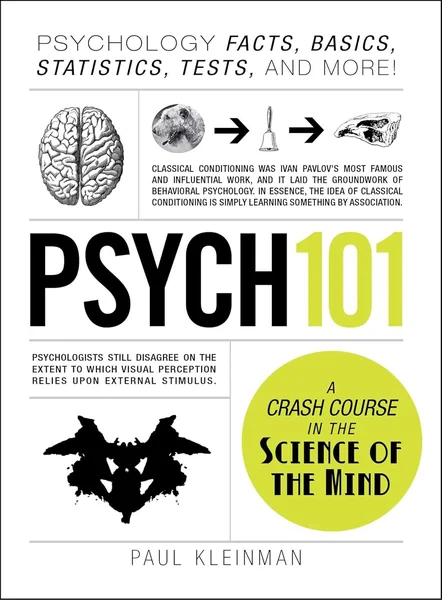
Psych 101: Psychology Facts, Basics, Statistics, Tests
Paul Kleinman
Covers core psychology concepts in the same beginner-friendly register as Mann, but uses a bite-sized chapter structure that moves faster through each topic.
In our catalogue
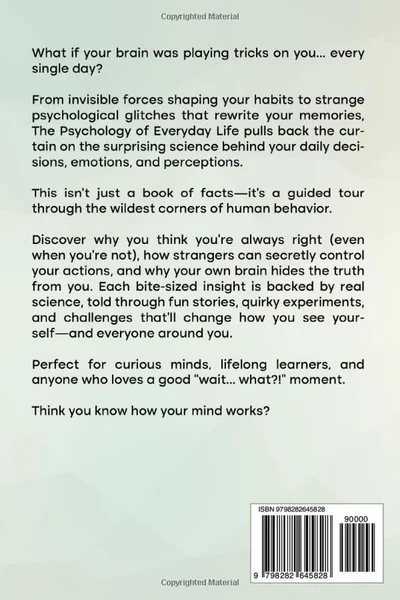
The Psychology of Everyday Life: 100 Psychology Facts About the Biases, Habits
Adrian Holt
Applies core psychology directly to daily behaviour and decision-making — a concrete, practical companion for readers who enjoyed Mann's theoretical survey.
In our catalogue
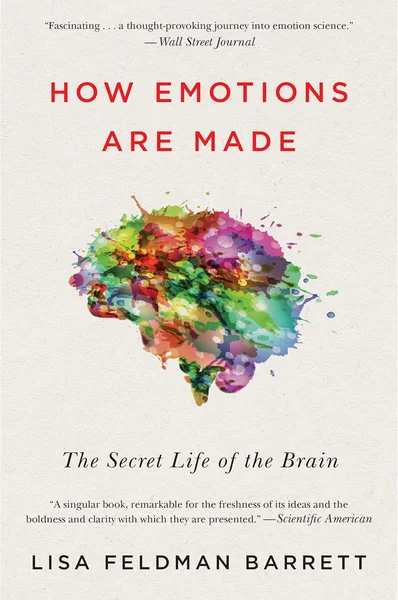
How Emotions Are Made: The Secret Life of the Brain
Lisa Feldman Barrett
Goes deep on one major psychology topic — emotion — with up-to-date neuroscience. Perfect for readers who finished Mann's overview and want rigorous depth on a specific chapter's worth of ideas.
In our catalogue
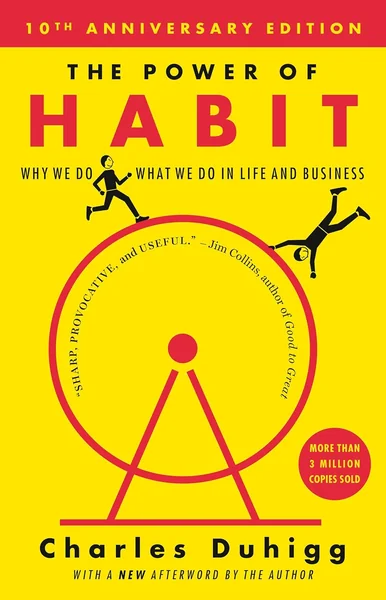
The Power of Habit: Why We Do What We Do in Life and Business
Charles Duhigg
Focuses on one of psychology's most practical mechanisms — habit loops — with real-world case studies that bring behavioural science to life beyond the textbook.
Not your thing?
In our catalogue
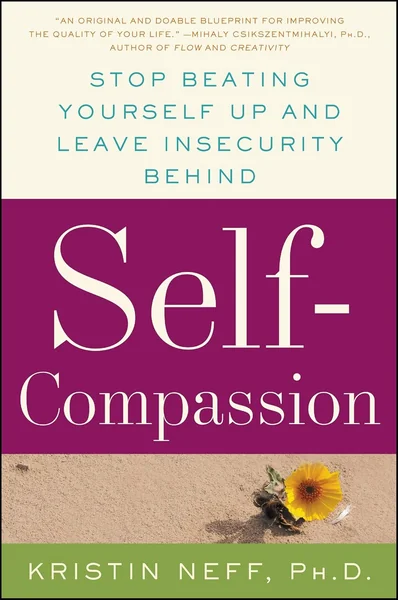
Self-Compassion: The Proven Power of Being Kind to Yourself
Kristin Neff
If Mann's survey felt too broad and theoretical to be personally useful, Neff's research-backed but deeply personal approach applies psychology directly to your inner life and wellbeing.