8 min read
4.7
· 77,850 Amazon ratingsShare This Review

Our review
The Wise Man's Fear
The Wise Man's Fear by Patrick Rothfuss Review: A Grand, Sprawling Epic with Real Limitations
The Wise Man's Fear is the second volume of Patrick Rothfuss's Kingkiller Chronicle, continuing Kvothe's first-person account of his life — from his ongoing feud at the University to a dangerous journey through the courts of Vintas and beyond. It debuted at #1 on the New York Times bestseller chart and won the David Gemmell Legend Award, making it one of modern epic fantasy's most commercially celebrated sequels.
LuvemBooks Verdict
Best for
Readers already invested in The Kingkiller Chronicle who want hundreds of pages of immersive expansion on Kvothe's world, voice, and mythology — from university politics to Vintish court intrigue to wilderness mercenary work.
Worth it if
Worth reading if you finished The Name of the Wind and found Kvothe's first-person voice and richly detailed world compelling enough to follow on its own terms, regardless of how much plot is resolved.
Skip if
Skip it if you haven't read The Name of the Wind — Kirkus Reviews noted that none of the second volume will make sense without it — or if you prioritise narrative momentum and resolution over sprawling, episodic world-building.
What readers & critics say
Kirkus Reviews delivered the most pointed critical assessment, concluding that despite its scope "not much happens" across the novel's thousand-plus pages and directing its enthusiasm squarely at existing series fans rather than newcomers. Fantasyliterature.com offered a warmer view, finding that the novel "for the most part fulfills the promise of The Name of the Wind" with the same sweeping prose.
“A walloping sword-and-sorcery fest — but if you weren't a reader of the first volume, none of the second will make any sense to you.”
— Kirkus ReviewsAsk LuvemBooks
Was this helpful?
- Is it worth reading?
- For readers already invested in Kvothe's story after The Name of the Wind, The Wise Man's Fear delivers hundreds of pages of expansion on a world they already love, with Kvothe's confident, mythologizing first-person voice at its most fully realized. The commercial and peer reception is remarkable — a #1 New York Times debut, the David Gemmell Legend Award, and George R.R. Martin calling it the best fantasy book he read in 2011. The honest caveat, however, is the one Kirkus Reviews landed squarely: across its 1,008 pages, 'not much happens' in a plot-momentum sense, and the sprawling episodic structure can feel diffuse. Readers who embrace epic fantasy as an experience to inhabit rather than a puzzle to solve will find it most rewarding.
- Similar books
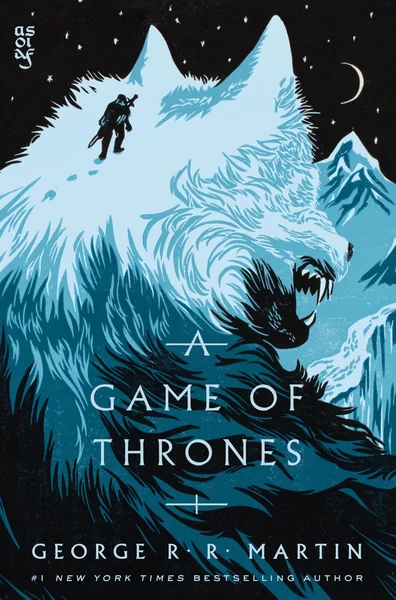
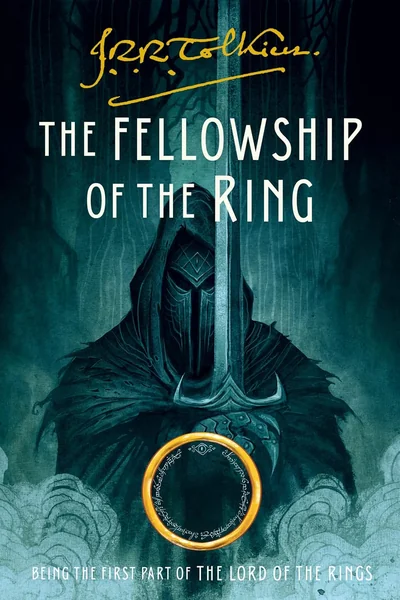
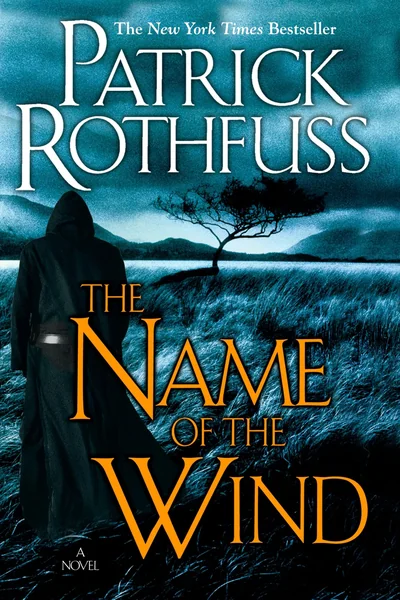
- Readers drawn to The Wise Man's Fear's immersive, character-driven world-building will find natural companions in the curated titles below. Brandon Sanderson's Stormlight Archive series offers a similarly epic scope and intricate magic system for those who want their doorstop fantasy with more narrative momentum. George R.R. Martin's A Game of Thrones shares the political complexity and morally layered characters, while J.R.R. Tolkien's The Fellowship of the Ring anchors the tradition both works build upon. For those who love Rothfuss's lyrical prose and mythologizing voice, V.E. Schwab's The Invisible Life of Addie LaRue offers a different but equally transporting reading experience. And of course, The Name of the Wind — the essential first volume of the Kingkiller Chronicle — is the place to start for anyone who hasn't yet begun Kvothe's story.
- Who should read this?
- The Wise Man's Fear is written for readers who are already devoted to The Kingkiller Chronicle — specifically those who finished The Name of the Wind and found Kvothe's mythologizing, self-aware first-person voice irresistible. It rewards readers who embrace epic fantasy as an experience to inhabit: fans of expansive world-building, court politics, arcane academia, and character immersion across a long narrative. Kirkus Reviews directed its enthusiasm almost entirely at existing series fans, and that framing is accurate — newcomers, plot-hungry readers, and those seeking resolution of the Chandrian and Amyr mysteries will find the 1,008-page, episodic structure a harder fit.
- About Patrick Rothfuss
- Patrick James Rothfuss is an American author.
- How does it compare to The Name of the Wind?
- The Wise Man's Fear shares The Name of the Wind's defining strength — Kvothe's confident, mythologizing first-person voice — while dramatically expanding the geographic and thematic scope of the story. Where the first book is largely anchored at the University, the second ranges across Vintish court politics, the wilderness of the Eld, and new arcane disciplines including sympathy, swordsmanship, and court etiquette. The trade-off is pacing: The Name of the Wind generated momentum through mystery and novelty, while The Wise Man's Fear's episodic sprawl led Kirkus Reviews to conclude that 'not much happens' across its thousand-plus pages. Devotees tend to see the expansion as a feature; more plot-focused readers may miss the tighter focus of the first volume.
- Is there anything beyond the book?
- Yes — The Wise Man's Fear has a notable real-world extension. The game of Tak, which is described within the novel, was later developed into a commercial board game by Patrick Rothfuss and game designer James Ernest in 2016. On the audio side, the US audiobook is narrated by Nick Podehl, while UK audiobook editions are narrated by Rupert Degas — both are well-regarded productions for listeners who prefer that format.
Summarize this book
Follow up
Synthesized from verified book data & published reviews · How we review
What would you like to know about The Wise Man's Fear?
Answers come from our editorial notes on this book. If we haven't covered something, we'll say so.
Readers often ask
Our Review
This review covers the book's content, premise and published critical reception, not a first-hand reading.
What the Book Contains and Where It Takes Kvothe
Place in the Series and Its Commercial Reception
Strengths: Worldbuilding, Voice, and the Myth of Kvothe
The Honest Critique: Pace and Plot Density
Who This Book Is For
Sources & Further Reading
The key facts and claims in this review are grounded in the retrieved, verified sources listed below.
- 1
Patrick Rothfuss, LuvemBooks
- 2
en.wikipedia.org
- 3
kirkusreviews.com
- 4
thriftbooks.com
- 5
- 6
summarybook.net
- 7
- 8
- 9
fantasybookreview.co.uk
- 10
bloggingwithdragons.com
- 11
patrickjohnswrites.com
- 12
- 13
newbookrecommendation.com
- 14
penguinrandomhouse.com
Age & Reading Level
Recommended age
Ages 16+
Reading level
Adult
Heat level
Mild · rated 2–3/5 spice by readers (mild to moderate)
Tropes
From how readers and romance sites describe it, not our own reading.
2 content notes · who it suits
Content to know about
Best for: Adults / mature 16+ — the novel's length, complex political and arcane world-building, and some sexual content suit older teen and adult readers.
Skip if you want a fast-moving plot with major mysteries resolved by the end — Kirkus Reviews concluded that 'not much happens' across its 1,008 pages and the central threads of the Chandrian and the Amyr remain unresolved.
Reader reviews
Be one of the first readers to answer.
Read it? Was it right for you?
Books like The Wise Man's Fear
Curated picks for readers who enjoyed The Wise Man's Fear, with our reasoning for each match.
If you liked The Wise Man's Fear