8 min read
4.0
· 46 Amazon ratingsShare This Review
The Secret World of Briar Rose by Cindy Pham Review: A Sapphic, Grief-Laden Fairy-Tale Reimagining
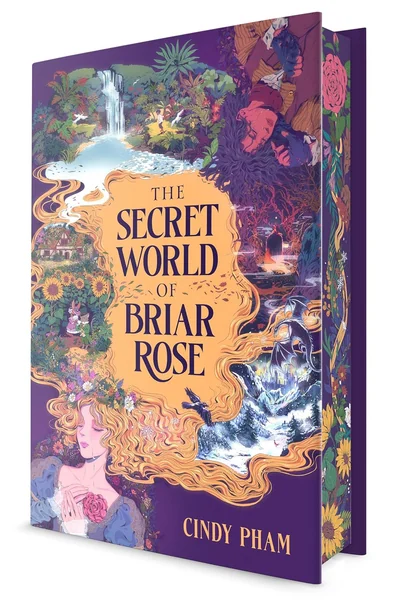
A #1 New York Times bestseller and debut novel from queer Vietnamese-American author and YouTuber Cindy Pham, The Secret World of Briar Rose is a Sapphic retelling of "Sleeping Beauty" published by Kokila that weaves together mental health, grief, identity, and the seductive danger of escapism through a layered dreamworld narrative aimed at readers aged 14 and up.
 Tap to enlarge
LuvemBooks Verdict
Best for
Readers aged 14 and up who want a structurally ambitious, emotionally serious Sapphic fairy-tale retelling and are comfortable with shifting timelines, grief, mental health themes, and queer and nonbinary representation woven into the core cast.
Worth it if
The narrative's emotional demands and non-linear structure suit you — if dark, layered YA fantasy that treats escapism and grief as its primary subject matter is exactly what you're looking for, the starred trade reviews and #1 NYT bestseller status suggest it earns that weight.
Skip if
You're hoping for a breezy, lighthearted fairy-tale retelling — critics and readers alike flag confusing worldbuilding, time jumps, and sustained emotional confrontations with depression and suicidal ideation that make this a demanding rather than comforting read.
What readers & critics say
Kirkus Reviews called it "somberly beautiful," while Publishers Weekly praised its "intersectionally diverse, emotionally complex characters" navigating "an empathetic exploration of identity, grief, forgiveness, and mental health," as relayed via panmacmillan.com. School Library Journal awarded it a starred review, writing that "this ambitious, intelligent novel hits all its marks and provides a beautiful, challenging read," as cited on penguinrandomhouse.com — though some reader reviewers on Lesbrary and StoryGraph flagged confusing worldbuilding and a dreamworld setting that doesn't always give readers enough solid grounding.
Sources: Kirkus Reviews (via Pan Macmillan), Penguin Random House, Lesbrary, StoryGraphPreview the book
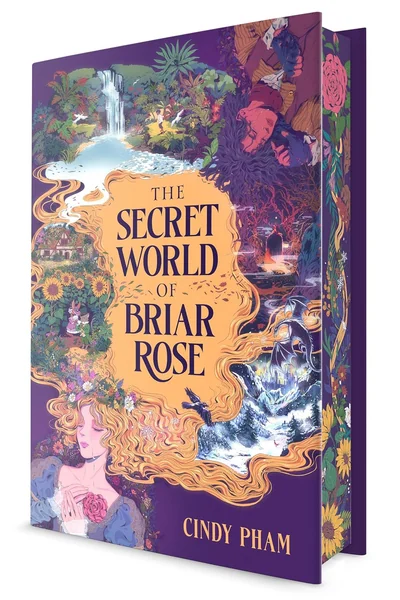
Ask LuvemBooks
Was this helpful?
- Is it worth reading?
- For the right reader, the critical record makes a strong case: The Secret World of Briar Rose debuted at #1 on the New York Times bestseller list, earned a starred review from School Library Journal, landed on the 2026 Summer Reads Best Books List and the July/August 2026 Kids' Indie Next List, and drew critical descriptions of 'somberly beautiful' from Booklist. School Library Journal praised its 'emotional depth' in exploring identity, grief, and belonging, writing that 'hope, love, and redemption can exist in this darkness.' The key caveat is honest: critical coverage notes the novel 'asks a lot of readers,' with shifting timelines and memory-inhabiting sequences that require sustained engagement — this is a weighty, structurally demanding read, not a breezy fairy-tale retelling. Readers drawn to lush, immersive Sapphic fantasy with genuine thematic ambition are the audience it is built for.
- What age is it for?
- The Secret World of Briar Rose is designed for readers aged 14 and up, and that lower bound matters — the novel tackles grief, mental health, and the seductive pull of escapism with genuine thematic seriousness rather than as background texture. Critical coverage notes that the narrative's shifting timelines, emotional confrontations, and sequences where characters inhabit one another's memories demand sustained, intense engagement, which means the upper range of the teen audience is the core fit. Younger or more sensitive readers should be aware that the emotional weight is the primary experience, not an occasional element.
- Similar books
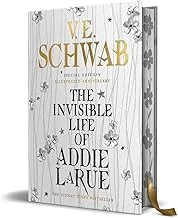
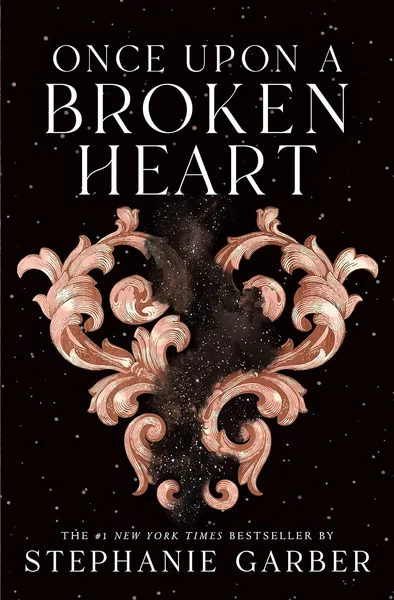
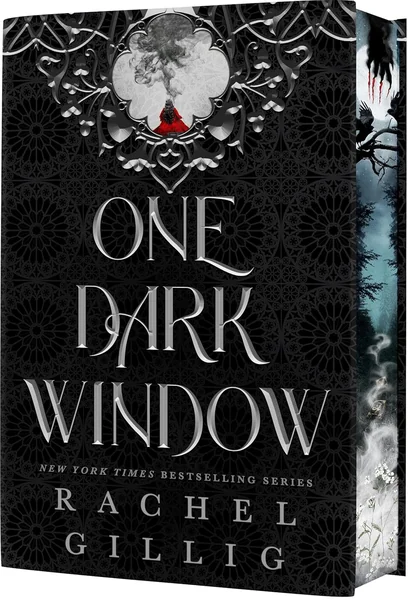
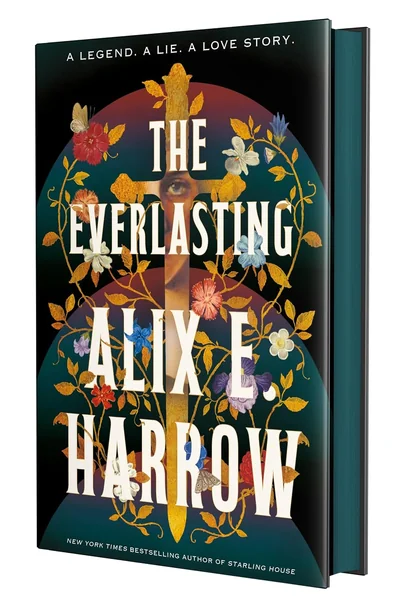
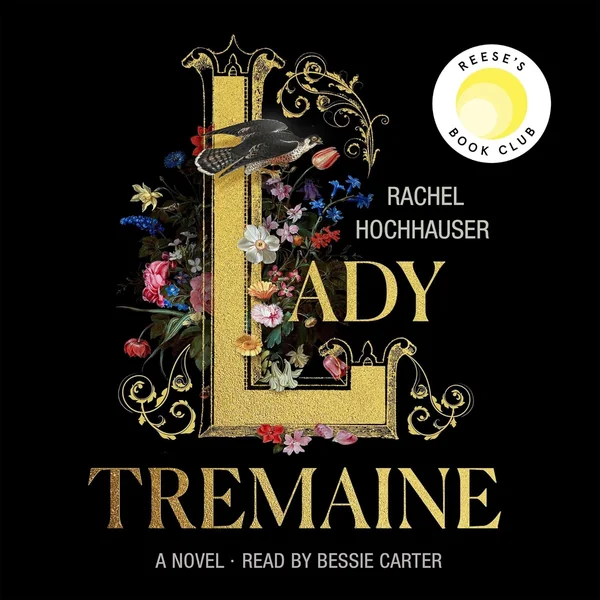
- Readers drawn to The Secret World of Briar Rose will find strong overlap with several titles collected below. V.E. Schwab's The Invisible Life of Addie LaRue shares the novel's preoccupation with identity, longing, and the costs of escaping an ordinary life through a bargain with dark forces. Stephanie Garber's Once Upon a Broken Heart operates in a similar space of fairy-tale-adjacent fantasy with morally complex, sympathetic antagonists. For fairy-tale retellings with a darker, more literary register, Rachel Hochhauser's Lady Tremaine and Alix E. Harrow's The Everlasting offer comparable tonal ambition. Rachel Gillig's One Dark Window is another strong match for readers who want immersive, structurally layered fantasy with a gothic edge. Leigh Bardugo's Shadow and Bone is frequently cited alongside Pham's work for its richly built fantasy world and ensemble of morally textured characters.
- Who should read this?
- The Secret World of Briar Rose is built for readers aged 14 and up who are drawn to lush, immersive Sapphic fairy-tale retellings and are comfortable with structural complexity and emotionally dark terrain. Its core audience is readers who want queer and nonbinary representation woven into the fabric of the story — not as an afterthought — and who are prepared to engage with grief, mental health, and escapism as the novel's primary subjects rather than background texture. Readers who want a linear, lighter retelling of 'Sleeping Beauty' are likely to find the demands considerable; those who gravitate toward 'somberly beautiful' literary fantasy will find a debut that delivers on its critical reputation.
- How is the LGBTQ+ representation?
- Queer and nonbinary representation is central to The Secret World of Briar Rose rather than incidental. The novel is structured as a Sapphic retelling of 'Sleeping Beauty,' meaning same-sex relationships are at the narrative core, and Malicine — one of the three main figures in the dreamworld — is explicitly nonbinary. Critical reception has recognised this as meaningful representation woven into the cast and central relationships, not added as an afterthought. For readers for whom queer centering is the primary draw, Pham's debut is notable as a #1 New York Times bestseller that achieved broad commercial reach while keeping Sapphic and nonbinary identity structurally essential.
- How was it received by critics?
- The Secret World of Briar Rose arrived with unusually strong recognition for a debut novel. It debuted at #1 on the New York Times bestseller list and earned a USA Today bestseller designation, reflecting broad commercial reach. On the critical side, School Library Journal awarded it a starred review, praising the 'emotional depth' of the characters and writing that 'hope, love, and redemption can exist in this darkness.' Booklist described it as 'somberly beautiful.' It also appeared on the 2026 Summer Reads Best Books List and the July/August 2026 Kids' Indie Next List, placing it in both trade-journal and bookseller recognition — a breadth that marks it as a notable debut within YA fantasy, not merely a viral one.
- Is there a special edition?
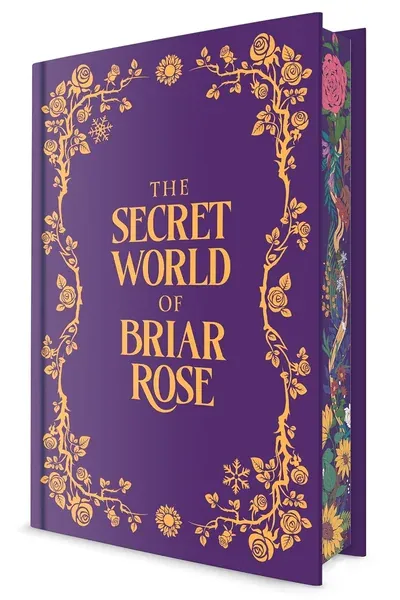
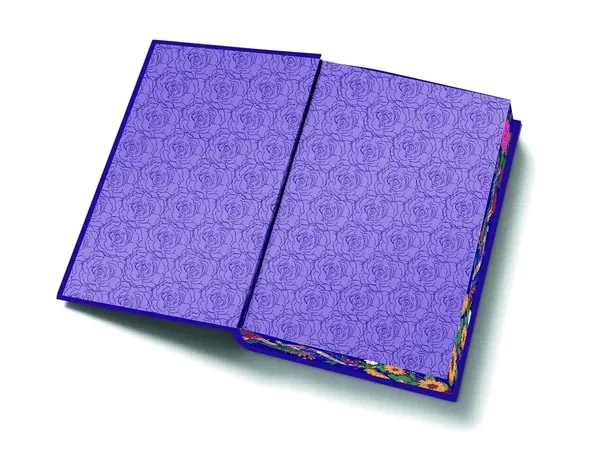
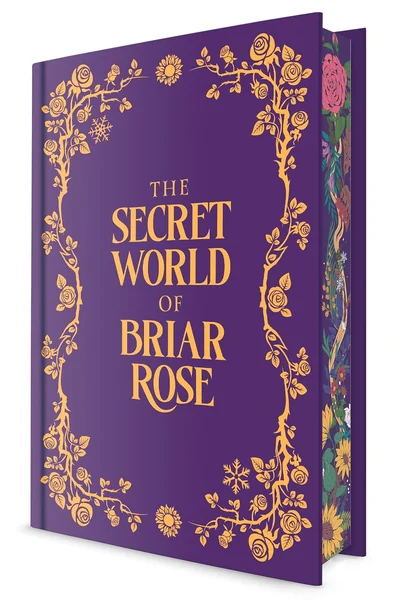
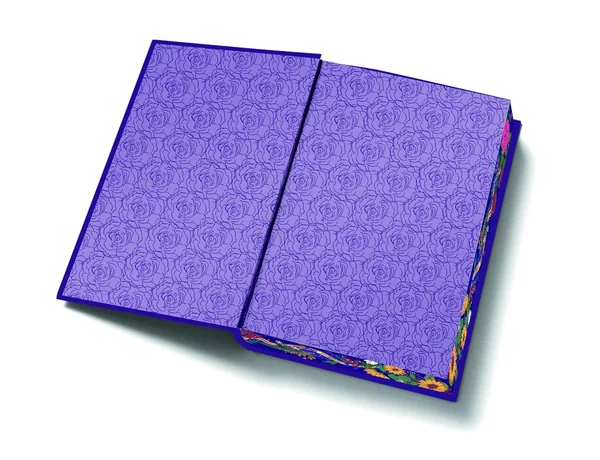
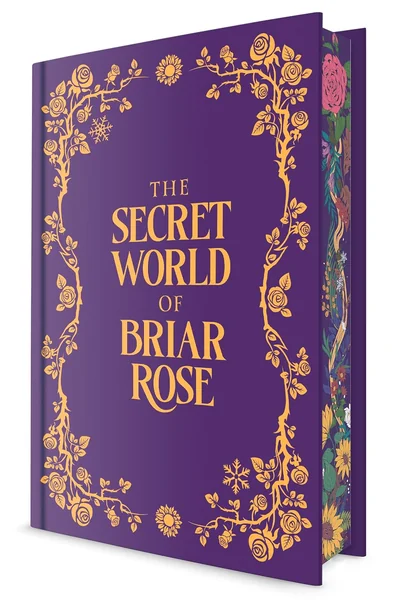
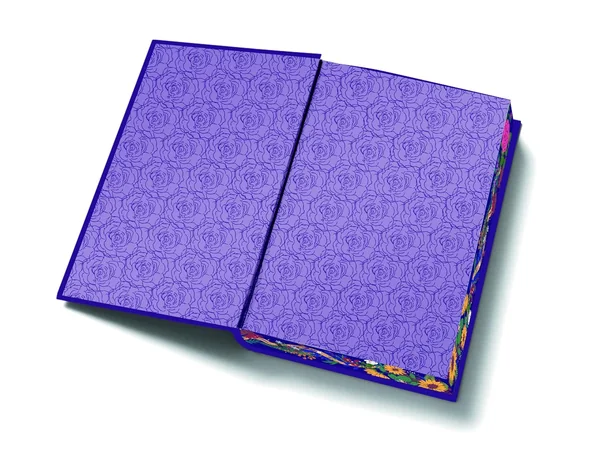
- Yes — Kokila published a richly designed deluxe first edition of The Secret World of Briar Rose featuring an embossed jacket, colored edges, illustrated endpapers, and a gold foil-stamped case. For readers who collect physical books or want to give it as a gift, the deluxe first edition is a notable production investment by the publisher. Kokila is an imprint known for centering diverse voices in children's and young adult literature, and the care put into the physical object reflects the imprint's commitment to the title.
Summarize this book
Follow up
Synthesized from verified book data & published reviews · How we review
Press Enter to ask. Answers come from our editorial Q&A — start typing to see related questions.
Age & Reading Level
Recommended age
Ages 12–18
Reading level
Young adult
Content to know about
Best for: Ages 14+ — emotionally demanding narrative with sustained engagement required; deals directly with grief, mental health, and the psychology of escapism through structurally complex, non-linear storytelling.
Skip if you're looking for a light, linear, or hopeful fairy-tale retelling.
Our Review
What the Book Actually Is
Narrative Structure and Ambition
Critical Reception and Significance
The Author's Voice and Context
Who This Book Is For and Where It Challenges
Sources & Further Reading
The key facts and claims in this review are grounded in the retrieved, verified sources listed below.
- Cited in this review
- 1
- 2
commonsensemedia.org
- 3
panmacmillan.com
- 4
- Further reading
- 5
kirkusreviews.com
- 6
publishersweekly.com
- 7
- 8
readwithcindy.com
- 9
app.thestorygraph.com
- 10
- 11
beforewegoblog.com
- 12
Books like The Secret World of Briar Rose
Curated picks for readers who enjoyed The Secret World of Briar Rose, with our reasoning for each match.
If you liked The Secret World of Briar Rose