8 min read
4.8
· 36,134 Amazon ratingsShare This Review
Magnolia Table by Joanna Gaines & Marah Stets Review: A #1 Bestselling Comfort Food Cookbook
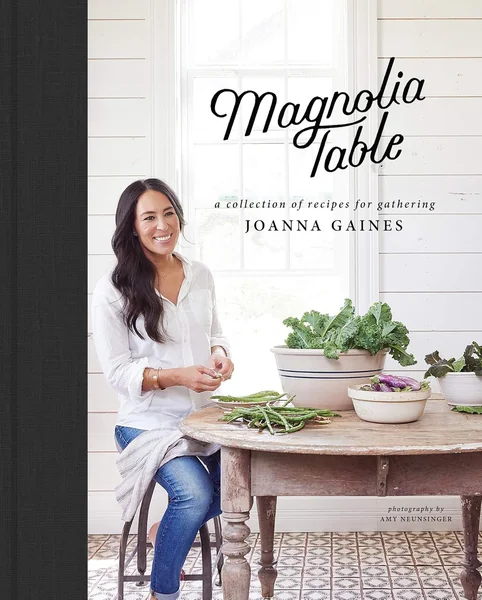
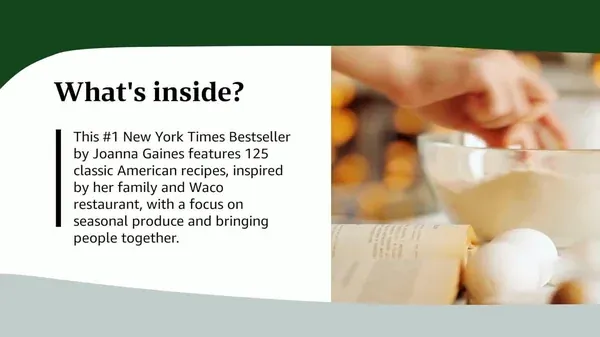
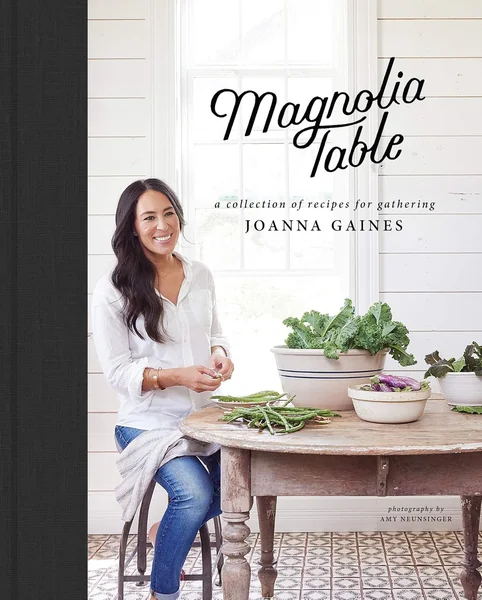
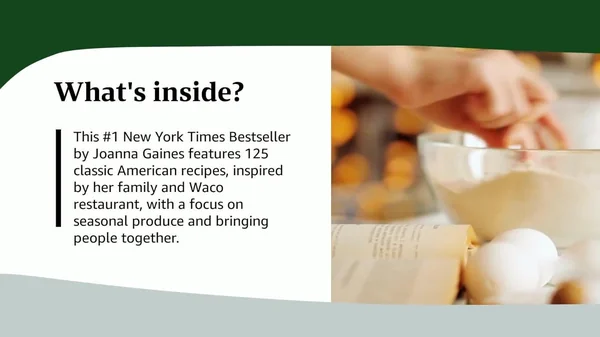
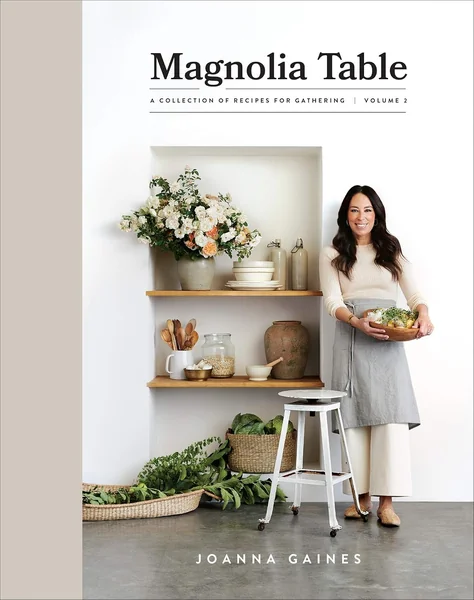
Magnolia Table is a #1 New York Times bestselling cookbook by Joanna Gaines and Marah Stets, published by William Morrow Cookbooks in April 2018, collecting 125 recipes drawn from Gaines family favorites, American comfort food classics, and dishes inspired by the Gaineses' Waco restaurant — framed throughout with personal stories and photographs.
 Tap to enlarge
LuvemBooks Verdict
Best for
Fans of Joanna Gaines and Fixer Upper who want an accessible, story-driven American comfort-food cookbook that doubles as a warm lifestyle read covering every meal of the day.
Worth it if
Worth it if you're looking for a broad, family-style everyday cooking reference — 125 recipes from breakfast to dessert — wrapped in personal narrative and the domestic warmth Gaines built her following on.
Skip if
Skip it if you're primarily seeking challenging culinary technique, international flavor profiles, or a recipe-dense reference free of lifestyle branding and personal memoir content.
What readers & critics say
Barnes & Noble's editorial materials highlight the book's #1 New York Times bestseller status and note that the Huffington Post specifically singled out Gaines's White Cheddar Biscuit — a recipe she spent a year developing — as a standout. Goodley Living's review characterises the recipes as "approachable and unfussy," praising the book's comforting flavours, family stories, and Southern hospitality.
Sources: Barnes & Noble, Goodley LivingPreview the book
Ask LuvemBooks
Was this helpful?
- Is it worth reading?
- For readers who love approachable American comfort food and appreciate a cookbook that doubles as a warm lifestyle read, Magnolia Table delivers exactly what it promises — broad meal-category coverage, family-tested recipes, and personal narrative that makes the experience feel like more than a culinary manual. The caveat is genuine: the book is not a cook's deep dive. Readers who prioritize recipe density over lifestyle content, or who want international cuisines and ambitious technique, will find its scope narrow by design. The commercial record — #1 New York Times bestseller, three-volume series — reflects a large audience that found strong value in its particular blend.
- Similar books
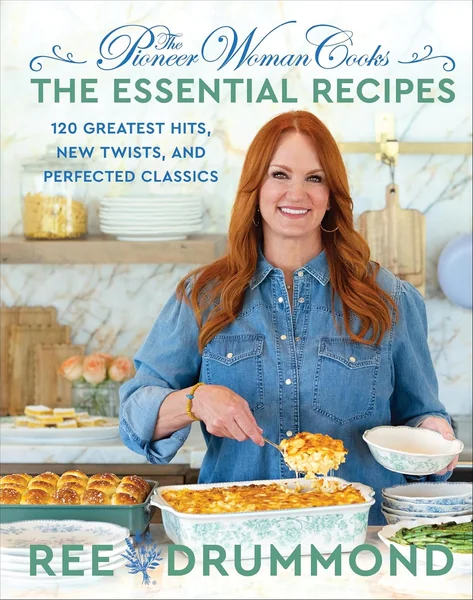
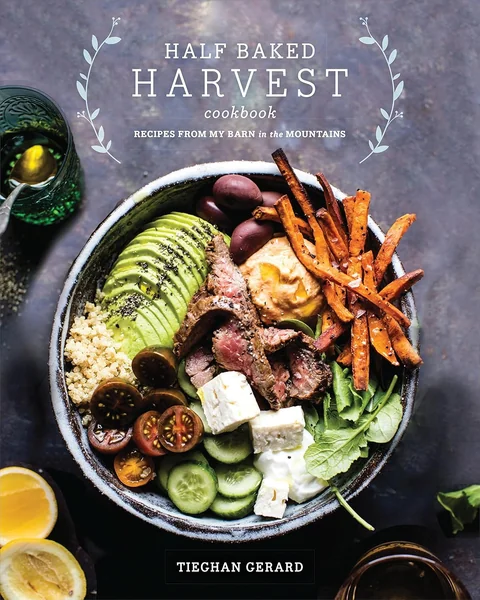
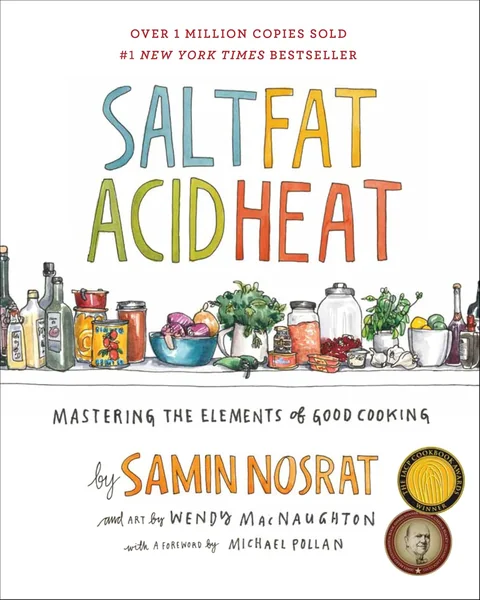
- Readers who enjoy Magnolia Table's blend of approachable recipes and personality-driven storytelling will find kindred titles in the curated list below. Ree Drummond's The Pioneer Woman Cooks―The Essential Recipes shares the same American comfort-food DNA and the same warmth of a television personality inviting readers into her kitchen. Tieghan Gerard's Half Baked Harvest Cookbook and Karen Mordechai's Sunday Suppers: Recipes + Gatherings both lean into the gathering-around-the-table spirit that defines Magnolia Table. For readers who want something more technique-focused without sacrificing accessibility, Samin Nosrat's Salt, Fat, Acid, Heat: Mastering the Elements of Good Cooking is a natural next step that complements rather than duplicates what Magnolia Table offers.
- Who should read this?
- Magnolia Table is best suited to home cooks who love American comfort food classics and want a cookbook that also functions as a warm, personality-rich lifestyle read. Fans of Joanna Gaines and the Fixer Upper television series will find the book's register immediately familiar, but it will also resonate with any reader who values a seasonal, homegrown ingredient philosophy and family-style cooking over global cuisines or advanced culinary technique. It is not the right fit for readers seeking dietary-specific frameworks (vegan, gluten-free), international flavor profiles, or a recipe-dense reference without the lifestyle accompaniment.
- About Joanna Gaines, Marah Stets
- Joanna Lee Stevens Gaines is an American interior designer, television personality, and author. Magnolia Table was co-written with Marah Stets and published by William Morrow Cookbooks in April 2018.
- Is it a cookbook or a lifestyle book?
- Deliberately both — and that dual identity is the key tension for potential readers. The publisher frames the entire collection as an 'invitation to share a seat at the table,' with personal stories and photographs sharing substantial space alongside the 125 recipes. For readers who want a densely instructional culinary reference, that balance can feel like a drawback; for readers who responded to Gaines's domestic warmth on Fixer Upper and want that experience extended onto the page, it is precisely the point.
- Does it emphasize fresh or seasonal cooking?
- Yes — one distinguishing thread running through the collection is Gaines's stated commitment to homegrown and seasonal produce used at peak flavor. The publisher frames this not as a strict farm-to-table manifesto but as a natural outgrowth of her garden, woven into individual recipes rather than presented as a separate chapter or agenda. Dishes like Peach Caprese and the Brussels Sprouts with Crispy Bacon, Toasted Pecans, and Balsamic Reduction concretely reflect that sensibility, offering what the publisher describes as a modern take on American classics inflected by whatever is freshest.
Summarize this book
Follow up
Synthesized from verified book data & published reviews · How we review
Press Enter to ask. Answers come from our editorial Q&A — start typing to see related questions.
Age & Reading Level
Recommended age
Adult
Reading level
Adult
who it suits
Skip if you want a recipe-dense culinary reference focused on international cuisines or advanced cooking technique rather than American comfort food and lifestyle storytelling.
Our Review
What the Book Actually Is
The Garden-to-Table Angle
Cultural Moment and Commercial Reach
Genuine Strengths
Limitations and Who It May Frustrate
Sources & Further Reading
The key facts and claims in this review are grounded in the retrieved, verified sources listed below.
- Cited in this review
- 1
goodleyliving.com
- 2
harpercollins.ca
- Further reading
- 3
Joanna Gaines, Marah Stets, Wikipedia
- 4
- 5
whitepinebooks.com
- 6
- 7
- 8
- 9
waterstones.com
Books like Magnolia Table
Curated picks for readers who enjoyed Magnolia Table, with our reasoning for each match.
If you liked Magnolia Table