8 min read
4.9
· 12,365 Amazon ratings, as of Oct 2026Share This Review
Our review
Where the Sidewalk Ends: Poems and Drawings
Where the Sidewalk Ends: Poems and Drawings by Shel Silverstein Review: A Timeless Children's Poetry Classic
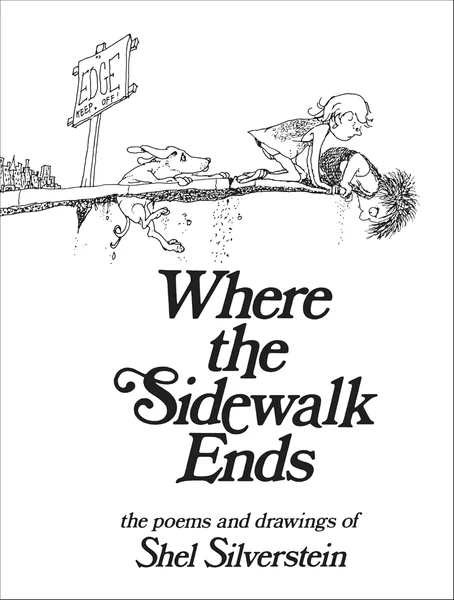
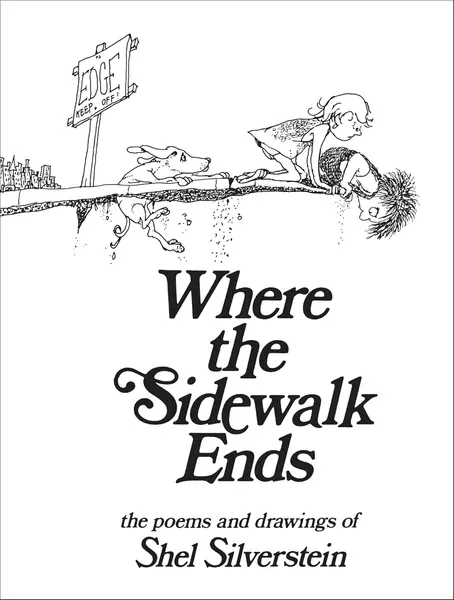
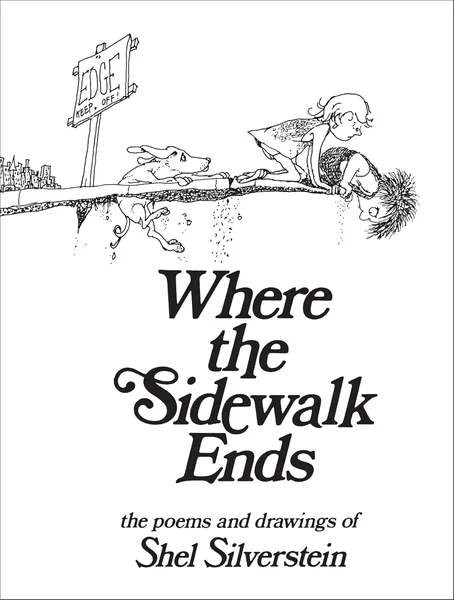
Where the Sidewalk Ends: Poems and Drawings is Shel Silverstein's children's poetry collection, written and illustrated by Silverstein himself, gathering poems that address common childhood concerns alongside fanciful stories and imaginative images. Wikipedia notes that Silverstein's work is valued by people of all ages, primarily for his skill in subtly communicating social implications through simple language. This review covers the collection's content and published reception, not hands-on use.
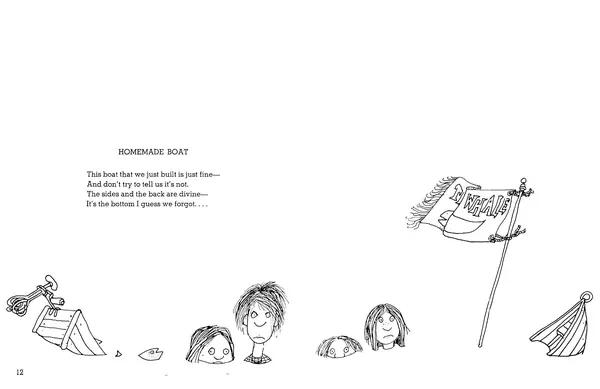
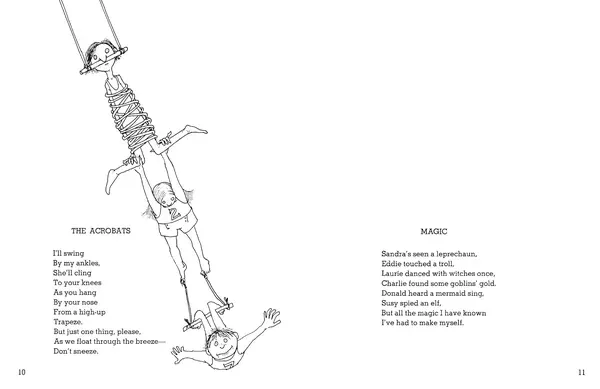
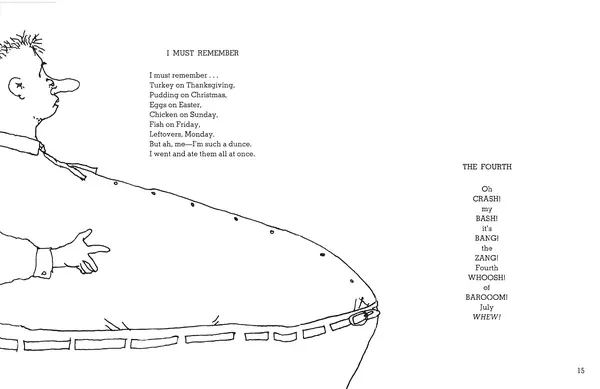 Tap to enlarge
LuvemBooks Verdict
Best for
Parents, teachers, and caregivers looking for a classroom-tested, multigenerational poetry collection that uses humour and subversion to draw reluctant young readers — aged five and up — genuinely into verse.
Worth it if
Worth reading if you want poetry that works on two levels at once — silly and accessible enough for a five-year-old on the surface, yet layered with quiet social commentary that gives adults and older readers something to chew on.
Skip if
Skip it if you strongly prefer children's poetry that is gentle, morally unambiguous, and wholly deferential to adult authority, as the collection's satiric edge and darker comic scenarios are precisely what has drawn parental and institutional objection since the mid-1980s.
Where reviewers agree and split
Readers rate it 4.9 on Amazon. The reviews we read that discuss it in depth split on some points:
Of the 3 reviews we read that discuss its humour, 2 find it outrageously funny, but 1 notes darker humour unsettles some adults.
Humour
2 find it outrageously funny · 1 notes darker humour unsettles some adults
Who says what
Humour
“Silverstein not only made me laugh so hard I almost cried”
— My Imagination Kingdom · Book blog“A literary revolt, and a timeless artistic artifact where language, image, humor, and existential reflection collide”
— Curiosity Shelf · Book blogWhat readers & critics say
Common Sense Media calls it "a treasure trove for young readers: eloquent, outrageous, subversive, nonsensical, and daring," while Books for Keeps (booksforkeeps.co.uk) highlights the unusually tight relationship between verse and illustration, noting that Silverstein "would not allow his verse to be illustrated by anyone else" and that "the relationship between illustration and poem makes these books very special."
“Where the Sidewalk Ends is a treasure trove for young readers: eloquent, outrageous, subversive, nonsensical, and daring.”
— Common Sense MediaPreview the book
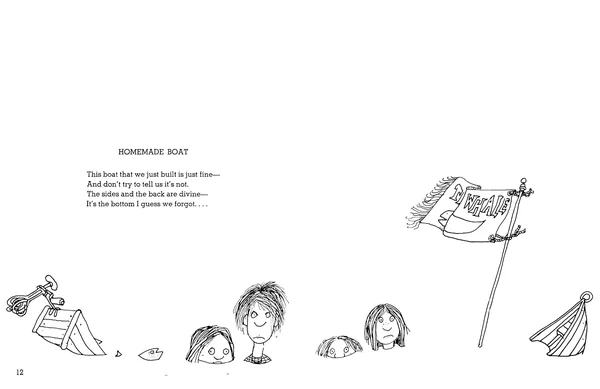
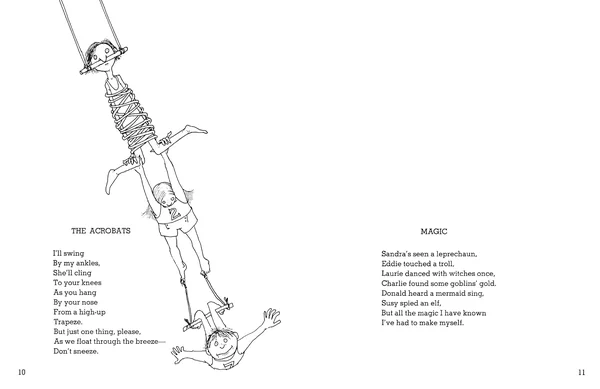
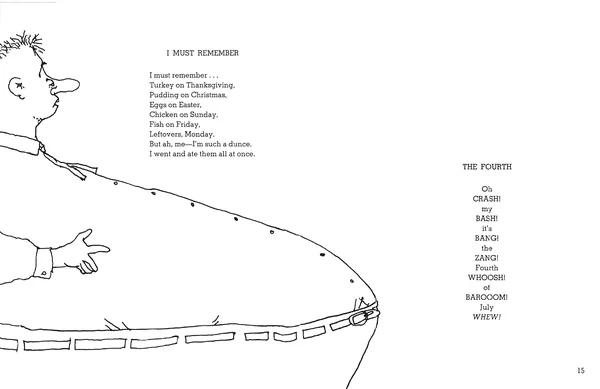
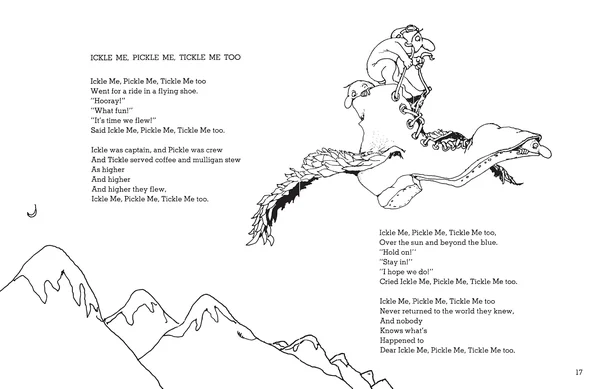
Ask LuvemBooks
Was this helpful?
- Is it worth reading?
- For readers open to poetry that operates on two levels simultaneously, the collection earns its reputation: the verse is rhythmically approachable — Silverstein works predominantly in iambic tetrameter — yet layered with social commentary that rewards older readers. Reading Teacher singled it out as a classroom resource, recommending it specifically for teachers who want to draw reluctant readers into verse. The genuine caveat is the humour: most reviewers that discuss it find it outrageously funny, but some note that the darker comic scenarios and satiric treatment of authority figures unsettle certain adults — that divide is real and worth weighing.
- Similar books
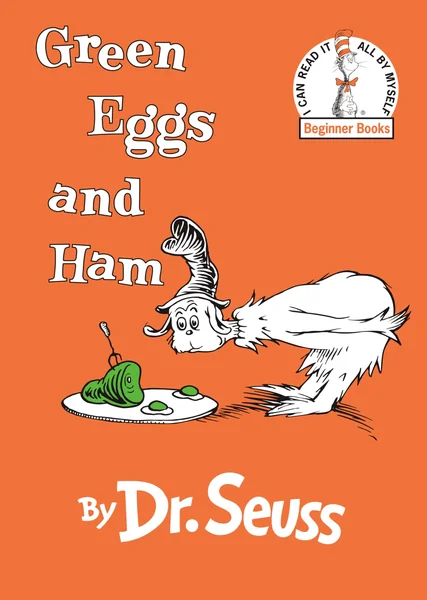
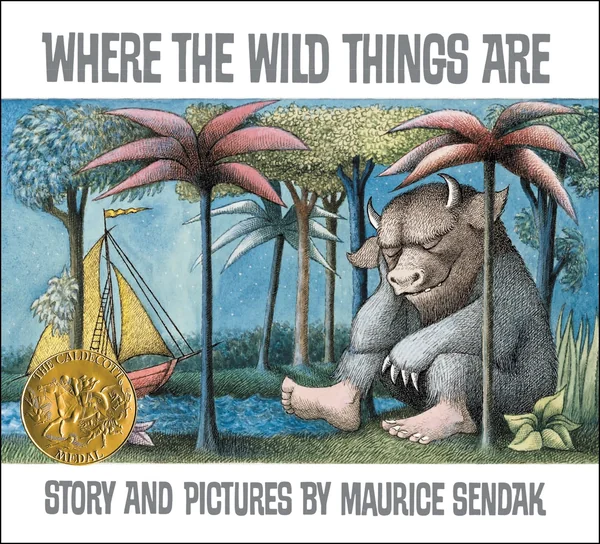
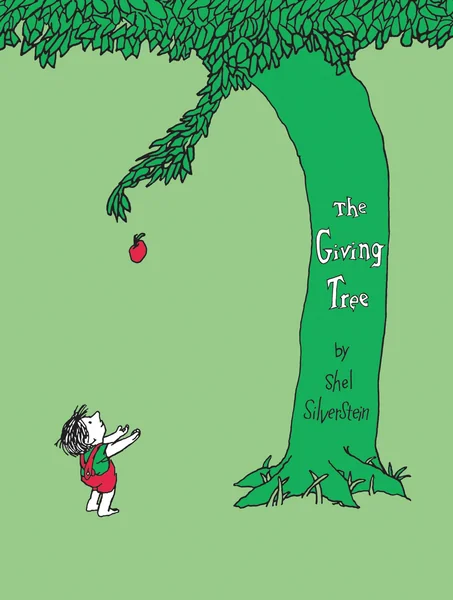
- Readers who love Where the Sidewalk Ends often gravitate toward other works that pair accessible language with a sly or subversive sensibility. Silverstein's own The Giving Tree offers a different mode — quieter and more emotionally direct — but shares his gift for meaning that lands differently depending on the reader's age. Jack Prelutsky's The New Kid on the Block is a close genre companion: comic children's verse with a similar irreverent energy. Roald Dahl's Revolting Rhymes pushes the satiric edge further for slightly older readers. For younger or reluctant readers, Maurice Sendak's Where the Wild Things Are and Dr. Seuss's Green Eggs and Ham share the collection's belief that children's literature can be imaginatively bold without being condescending.
- Who should read this?
- The collection is best suited to parents, teachers, and caregivers looking for a multigenerational poetry collection with proven classroom utility — Reading Teacher specifically recommended it as a resource for educators who want to draw students into verse. Young readers aged five and up are the primary audience, particularly those in grades one through three, but the satiric layering means older readers and adults frequently revisit it. It is a poor match for anyone who strongly prefers children's poetry that is gentle, morally unambiguous, and wholly deferential to adult authority.
- What age is it for?
- Best for ages five and up — the publisher's recommended reading age begins at five, with grades one through three as the primary target range. The predominantly iambic tetrameter rhythm makes the poems well-suited to reading aloud with younger children, while the satiric layering gives older readers and adults continued reason to return. Parents who prefer verse without any satiric edge or challenge to authority figures should note that those qualities are central to the collection, not incidental.
- About Shel Silverstein
- Sheldon Allan Silverstein was an American writer, cartoonist, songwriter, and musician.
- How does it compare to The Giving Tree?
- Where The Giving Tree is a single, emotionally resonant narrative, Where the Sidewalk Ends is wide-ranging and comic — a collection of dozens of short poems that shift rapidly between pure silliness and quieter satiric observation. Both are unified by Silverstein's own illustrations and his instinct for language that means something different to a child than to an adult. Readers seeking Silverstein's humour and rhythmic energy will find far more of both in the poetry collection; those drawn to his more melancholic, reflective register may find it more concentrated in The Giving Tree.
Summarize this book
Follow up
Synthesized from verified book data & published reviews · How we review
What would you like to know about Where the Sidewalk Ends: Poems and Drawings?
Answers come from our editorial notes on this book. If we haven't covered something, we'll say so.
Readers often ask
Our Review
We review the evidence: published critics, reader verdicts and BookTube reviews, gathered and weighed with AI assistance and edited by LuvemBooks, rather than one reader's first-hand take.
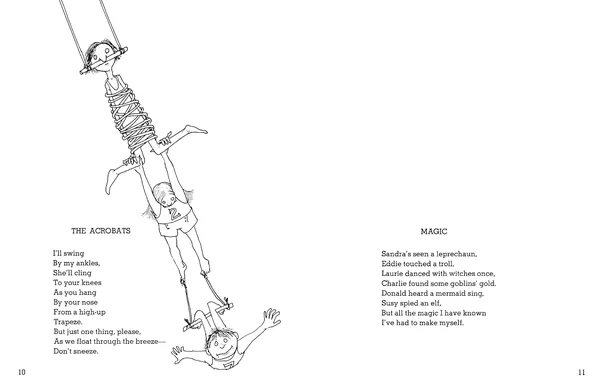
What the Collection Contains and How It Is Structured
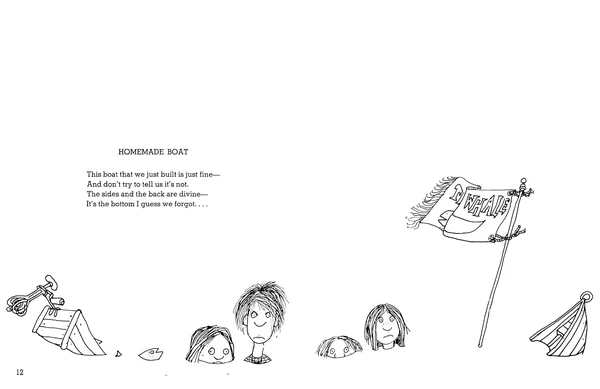
Significance and Place in Children's Literature
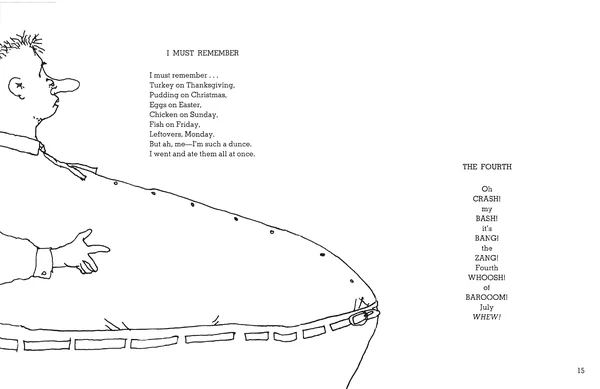
What the Book Does Well
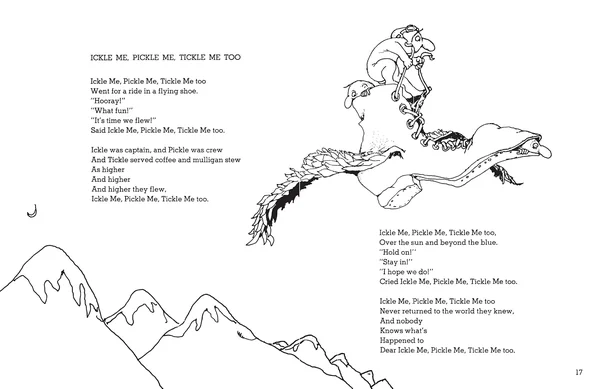
Controversy and Genuine Limitations
Who This Collection Is For
Sources & Further Reading
The key facts and claims in this review are grounded in the retrieved, verified sources listed below.
- Cited in this review
- 1
- 2
en.wikipedia.org
- 3
booksforkeeps.co.uk
- 4
commonsensemedia.org
- Further reading
- 5
Shel Silverstein, LuvemBooks
- 6
- 7
shelsilverstein.com
- 8
- 9
allpoetry.com
- 10
- 11
- 12
- 13
mcleanandeakin.com
- 14
bookelicious.com
- 15
barnesandnoble.com
Age & Reading Level
Recommended age
Ages 5+
2 content notes · who it suits
Content to know about
Best for: Ages 5+ — short poems and strong rhythmic patterns suit early readers, with the satiric layer becoming more apparent to older children and adults.
Skip if you strongly prefer children's poetry that is gentle, morally unambiguous, and wholly deferential to adult authority.
Reader reviews
Be one of the first readers to answer.
Read it? Was it right for you?
Books like Where the Sidewalk Ends: Poems and Drawings
Curated picks for readers who enjoyed Where the Sidewalk Ends: Poems and Drawings, with our reasoning for each match.
If you liked Where the Sidewalk Ends: Poems and Drawings