
At a glance
About the Author
Rosanne Parry1 book reviewed
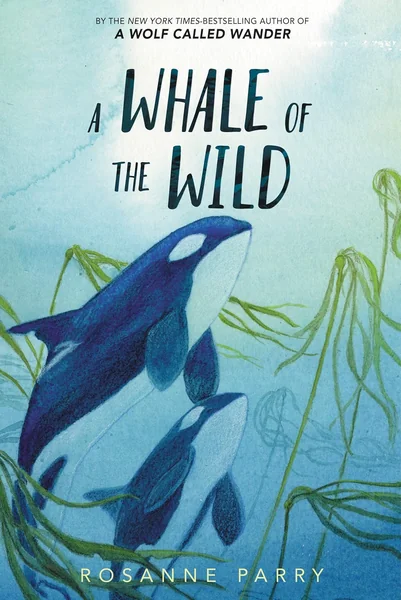
A Whale of the Wild
A Thrilling Tale of An Orca's Journey
by Rosanne Parry
LuvemBooks Verdict
Best for: Middle-grade readers (ages 8–12) who loved animal-narrated stories like The One and Only Ivan or Pax, and families or educators seeking a substantial read-aloud that folds real Salish Sea ecology into a survival adventure.
Worth it? Skip it? Read the full verdict →Preview the book
Ask LuvemBooks
Was this helpful?
- Is it worth reading?
- For its intended audience, yes. LuvemBooks' assessment is that the documented strengths — real ecological grounding, a starred Booklist review quoted in the marketing, and genuine read-aloud appeal — outweigh the intensity that may give the most sensitive young readers pause. The New York Times Book Review called it a "dreamily written, slyly educational, rousing maritime adventure," which matches the book's design of smuggling natural history inside a page-turner. The honest qualifications: the peril is sustained and concrete, and readers who want human protagonists or light escapism should know the environmental stakes are the point.
- Similar books
- Within Rosanne Parry's own Voice of the Wilderness series, A Horse Named Sky and The Turn of the Tide follow the same stand-alone animal-adventure formula in different landscapes. Beyond Parry, Odder: The Novel by Katherine Applegate is the closest match — another verse-leaning, ocean-set animal story with real ecological stakes — while Song for a Whale by Lynne Kelly pairs whale ecology with a human protagonist, and Pax by Sara Pennypacker and The Wild Robot by Peter Brown deliver the same serious animal-perspective storytelling the publisher positions this book alongside.
- Who should read this?
- The clearest fit is the middle-grade animal-story reader: kids who loved The One and Only Ivan or Pax, families looking for a substantial read-aloud, and educators who want narrative fiction that carries real ecological content. The publisher pitches it for ages 8–12 (grades 3–7), and its dual framing as both an independent read and a family/classroom read-aloud gives it unusual range for the band. Readers who strongly prefer human protagonists, or who want purely light escapism, are the wrong audience — the conservation stakes are the point of the book.
- What age is it for?
- Best for ages 8 and up — the publisher pitches it at ages 8–12, grades 3–7. The main content consideration is intensity rather than anything graphic: the synopsis foregrounds a shark attack, hunger, and polluted waters, and that sustained, concrete peril may be tense for particularly sensitive readers at the younger end of the band. Adults reading aloud can pace those sections, which is part of why the dual read-aloud framing matters for the youngest readers.
- Is it a good read-aloud?
- Yes — the publisher explicitly frames it as equally suited to independent reading and to family or classroom read-alouds, and that dual purpose is central to its appeal. The quest structure and sibling through-line give read-aloud sessions a clear emotional spine, while the ecological content — the documented threats facing the Salish Sea's orcas — gives classrooms natural discussion material. The 336-page length means a shared read is a multi-week commitment rather than a quick chapter book.
- Do I need to read A Wolf Called Wander first?
- No — it's fully stand-alone. A Whale of the Wild is the second entry in Parry's Voice of the Wilderness series, but each book follows a different animal in a different landscape, so nothing here requires familiarity with Wander. Readers who connect with Vega's story have a natural shelf of companions to move to — A Wolf Called Wander, A Horse Named Sky, and A Wolf Called Fire — and readers who haven't touched the series lose nothing by starting in the water.
Summarize this book
Follow up
Synthesized from verified book data & published reviews · How we review
Press Enter to ask. Answers come from our editorial Q&A — start typing to see related questions.
Age & Reading Level
Recommended age
Ages 8–12
Reading level
Middle grade
Content to know about
Best for: Ages 8+ — pitched at grades 3–7, but the sustained, concrete peril (shark attack, hunger, polluted waters) may be intense for sensitive readers at the younger end of the band; reading aloud lets adults pace those sections.
Skip if you want purely light, escapist adventure or strongly prefer human protagonists — the conservation stakes are the point of this book, not a backdrop.
Editorial Review
Rosanne Parry's stand-alone companion to the New York Times–bestselling A Wolf Called Wander follows Vega, a young orca leading her brother across the Salish Sea to reunite with their pod. A middle-grade survival adventure built on real marine ecology, it earned a starred Booklist review and strong read-aloud positioning.
Read the Full ReviewRelated reading
Adjacent titles worth exploring. We haven't reviewed these yet, so they link out to Amazon.