At a glance
LuvemBooks Verdict
Best for: Managers and team leads — especially those stepping into leadership roles for the first time — who want a concrete, nameable framework for giving and receiving honest feedback without sacrificing genuine care for the people they lead.
Worth it? Skip it? Read the full verdict →Ask LuvemBooks
Was this helpful?
- Is it worth reading?
- For managers at any level, Radical Candor delivers genuine structural value: a clear, nameable four-part framework that transforms vague advice about "honest communication" into something concrete and teachable. Its New York Times and Wall Street Journal bestseller status across multiple years, endorsements from Sheryl Sandberg and Gretchen Rubin, and translation into 20 languages all point to a book whose central argument has proven widely durable. The honest caveat is that readers operating outside Silicon Valley-style organizational cultures may find the case studies less directly transferable, and the framework's elegant simplicity means readers must supply their own nuance for genuinely complex interpersonal dynamics.
- Similar books
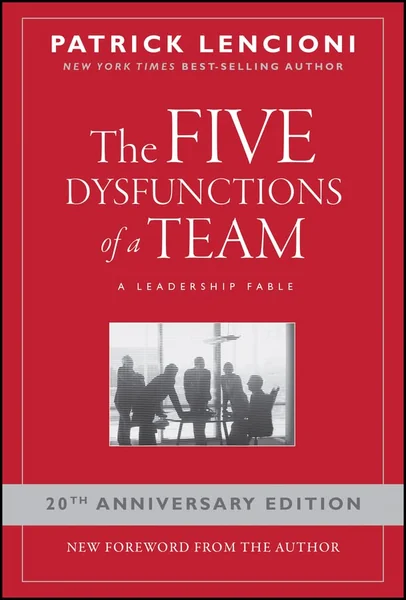
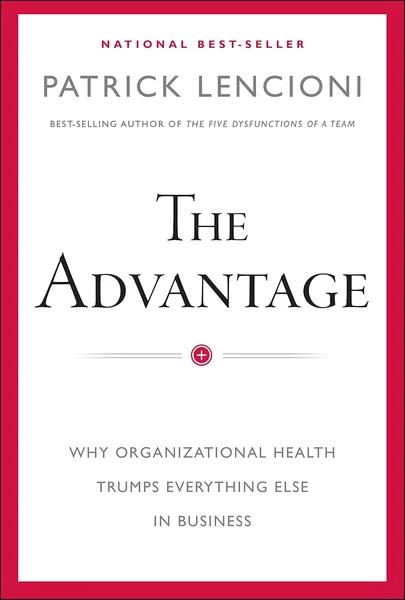
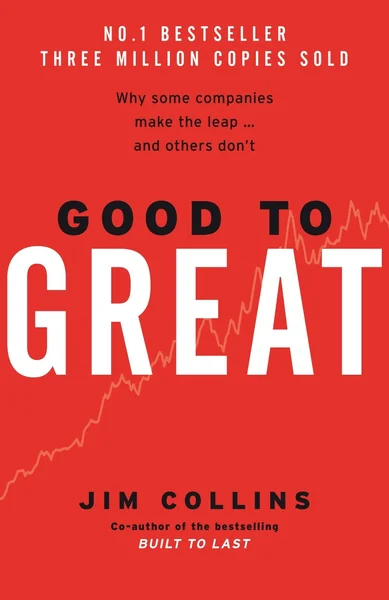
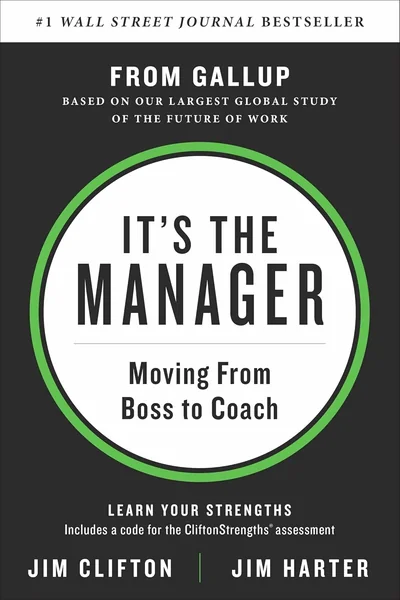
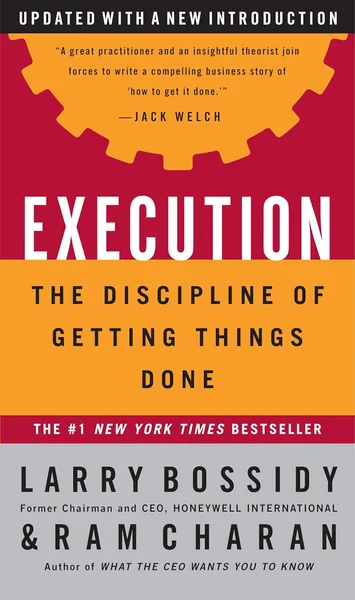
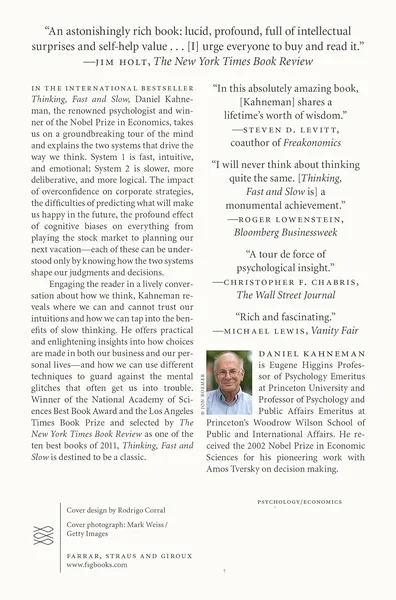
- Readers drawn to Radical Candor's blend of frameworks and workplace storytelling will find strong company in Patrick Lencioni's work — The Five Dysfunctions of a Team dissects the hidden dynamics that derail teams, while The Advantage makes the organizational-health case with similar structural clarity. Jim Collins' Good to Great shares Radical Candor's emphasis on rigorous, evidence-grounded leadership thinking. For readers interested in the cognitive science underpinning why candid conversations are so hard to have, Daniel Kahneman's Thinking, Fast and Slow offers a powerful complement. Jim Clifton and Larry Bossidy's respective works on management and execution round out the adjacent shelf for leaders who want the full picture.
- Who should read this?
- Radical Candor is primarily aimed at managers and team leaders — from first-timers navigating their first direct reports to seasoned executives looking to sharpen a feedback culture. The revised edition's bonus chapter on performance reviews makes it especially useful for anyone facing that specific, high-stakes workplace ritual. HR professionals, executive coaches, and organizational leaders who need a shared vocabulary for candid conversation will also find it rewarding. Readers who work in environments very different from Silicon Valley's high-trust, resource-rich culture should go in prepared to adapt the case studies to their own context.
- About Kim Scott
- Kim Scott is an Australian novelist of Aboriginal Australian ancestry.
- What are the book's key limitations?
- Two critiques follow Radical Candor consistently. First, as Vice's Erin Vanderhoof observed in coverage summarized by Wikipedia, the framework has real limitations in how fully it accounts for the different ways its prescriptions land on people who do not occupy positions of structural power — a gap Scott does not fully resolve. Second, the Silicon Valley anecdotes that make the theory vivid also constrain it: readers leading teams in very different organizational or cultural contexts may find the case studies less directly transferable. The framework's elegant simplicity, while its most portable quality, can mean that genuinely difficult interpersonal dynamics require nuance the reader must supply themselves.
- Explain the Radical Candor framework
- Scott's framework maps managerial feedback behavior across two axes — how much a manager "cares personally" for the people they lead, and how directly they "challenge" those people. The intersection of high care and high directness defines Radical Candor itself. Falling short on directness while still caring produces Ruinous Empathy; being direct without personal care produces Obnoxious Aggression; and abandoning both axes entirely is Manipulative Insincerity. The framework is designed to help managers fulfill three core responsibilities: creating a culture of Compassionate Candor, building a cohesive team, and achieving results collaboratively.
Summarize this book
Follow up
Synthesized from verified book data & published reviews · How we review
Press Enter to ask. Answers come from our editorial Q&A — start typing to see related questions.
Age & Reading Level
Recommended age
Adult
Reading level
Adult
who it suits
Skip if you want granular, research-backed guidance on navigating feedback dynamics across structural power imbalances or non-Western organizational cultures.
Editorial Review
Kim Scott's Radical Candor, first published in 2017 and released in a fully revised and updated edition in 2019, is a business leadership book built around one core argument: managers do not have to choose between being a pushover and a jerk. By "caring personally while challenging directly," Scott's framework equips leaders to give honest, kind feedback — and the book's global reach, translated into 20 languages with more than half a million copies sold, reflects how widely that argument has landed.
Read the Full ReviewBooks like Radical Candor
Curated picks for readers who enjoyed Radical Candor, with our reasoning for each match.
If you liked Radical Candor