Upstairs at the White House: My Life with the First Ladies
by J. B. West, Mary Lynn Kotz
At a glance
About the Author
J. B. West, Mary Lynn Kotz1 book reviewed
Upstairs at the White House
My Life with the First Ladies
by J. B. West, Mary Lynn Kotz
LuvemBooks Verdict
Best for: Readers fascinated by the private, operational life of the mid-twentieth-century White House — the logistics of state dinners, the personalities of First Ladies, and the domestic rhythms behind the public ceremonies — across five administrations from FDR to the early Nixon years.
Worth it? Skip it? Read the full verdict →Ask LuvemBooks
Was this helpful?
- Is it worth reading?
- For readers drawn to the private rhythms of mid-twentieth-century American political life, LuvemBooks considers this memoir genuinely irreplaceable — a primary source from a vantage point no outsider could occupy. Kirkus Reviews called it 'several Truman-balconies above all others' of its genre, and Jacqueline Kennedy Onassis described West as having run the White House 'with infinite calm, humor, a passion for anonymity and the steel of a Napoleon.' Its more than two million copies sold in the United States and seven-language translation record reflect broad, sustained recognition of its value. The main caveat is that West's discretion creates deliberate silences, and readers seeking frank exposé or coverage beyond 1969 should adjust expectations accordingly.
- Similar books
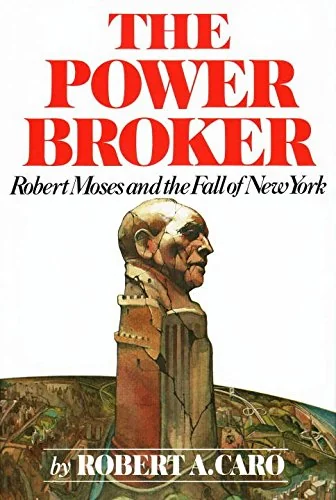
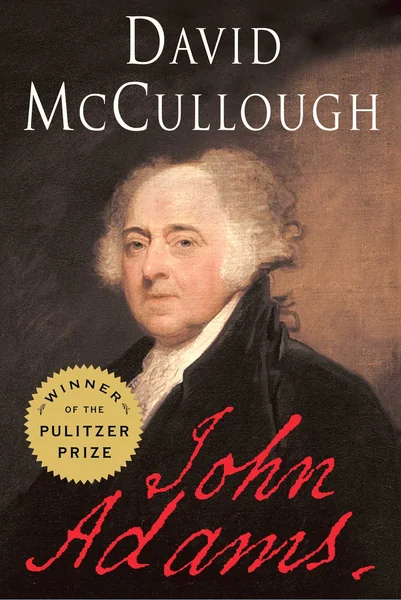
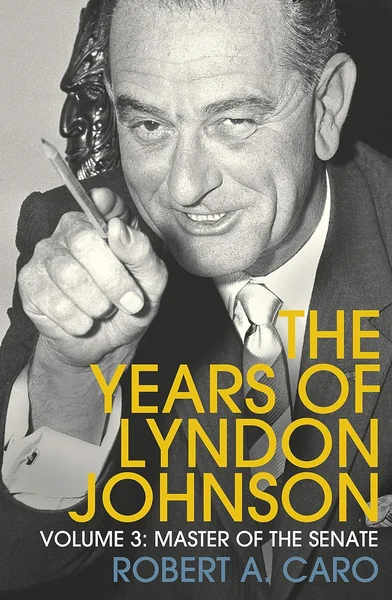
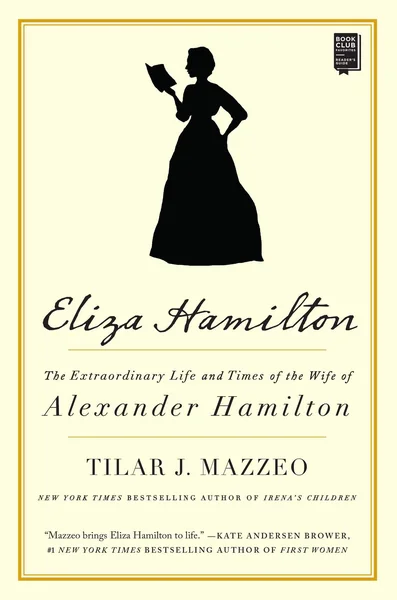
- Readers who respond to West's combination of institutional history and intimate portraiture will find strong companions in the curated titles below. Robert A. Caro's The Power Broker and Master of the Senate share West's interest in unelected or behind-the-scenes power — how consequential figures shape institutions from within. For readers drawn specifically to the women adjacent to famous leaders, Tilar J. Mazzeo's Eliza Hamilton and Sonia Purnell's A Woman of No Importance both excavate influential women whose contributions history has undervalued. David McCullough's John Adams offers a similarly detailed immersion in the domestic and political life of an early American presidency.
- Who should read this?
- This memoir is particularly well suited to readers interested in how the White House actually functioned as a home and a workplace — the logistics of state dinners, domestic staff protocols, and the personalities behind public ceremonies — rather than in legislative or diplomatic history. It will especially reward anyone with a specific interest in mid-twentieth-century First Ladies: Eleanor Roosevelt, Bess Truman, Mamie Eisenhower, Jacqueline Kennedy, and Lady Bird Johnson each receive sharply differentiated, character-rich portraits. Readers of American political biography, social history of the 1940s–1960s, and institutional memoir will find it a natural fit. Those seeking political analysis, frank exposé, or coverage of administrations after Nixon should look elsewhere.
- What are the main themes?
- The book's central theme, as identified by SuperSummary's study guide, is the unacknowledged power and influence of First Ladies: West argues that each woman shaped the functioning of the presidency in significant ways despite holding no official role. Running alongside this is a meditation on institutional service — West's own decades of discretion, loyalty, and behind-the-scenes management represent a model of unelected public service. The memoir also engages with domestic history and social ritual, using state dinners, renovations, weddings, and funerals as windows into how American political life was actually lived. Finally, it is implicitly a study in character: the contrasting personalities of five First Ladies — from Bess Truman's gritty humor to Lady Bird Johnson's boardroom command — form the book's emotional and narrative spine.
- Why does this book matter historically?
- West's position as Chief Usher gave him daily, direct access to the executive residence across five administrations — an angle of vision unavailable to journalists, politicians, or historians working from the outside. Kirkus Reviews recognized this when it called the book 'several Truman-balconies above all others' of its genre at publication in 1973. More than fifty years later, with the era it covers now firmly historical, LuvemBooks notes that its status as a primary source has only grown: the intimate operational and personal detail West provides about the White House between 1941 and 1969 simply cannot be reconstructed from any other single account.
- How does it handle the Nixon years?
- The Nixon-era sections are the book's most conspicuously thin, and West is candid about why: he retired shortly after the Nixons arrived at the White House and, by his own admission, never saw past Pat Nixon's 'First Lady Face.' He speculates that the composed public persona may have covered considerable private suffering, a reading that registers as honest restraint rather than evasion. Readers hoping for insider perspective on the Watergate period or the Nixon administration's inner workings will not find it here — the memoir effectively ends with the transition of power in 1969.
Summarize this book
Follow up
Synthesized from verified book data & published reviews · How we review
Press Enter to ask. Answers come from our editorial Q&A — start typing to see related questions.
Age & Reading Level
Recommended age
Adult
Reading level
Adult
who it suits
Skip if you want frank political exposé, gossip, or coverage of the White House beyond 1969.
Editorial Review
A New York Times bestseller that sold more than two million copies in the United States, Upstairs at the White House is the memoir of J. B.…
Read the Full ReviewBooks like Upstairs at the White House
Curated picks for readers who enjoyed Upstairs at the White House, with our reasoning for each match.
If you liked Upstairs at the White House