At a glance

LuvemBooks Verdict
Best for: Readers with a serious interest in the mechanics of American political power, the legislative history of civil rights, or the mid-twentieth-century Senate who are prepared to engage with the full multi-volume series.
Worth it? Skip it? Read the full verdict →Ask LuvemBooks
Was this helpful?
- Is it worth reading?
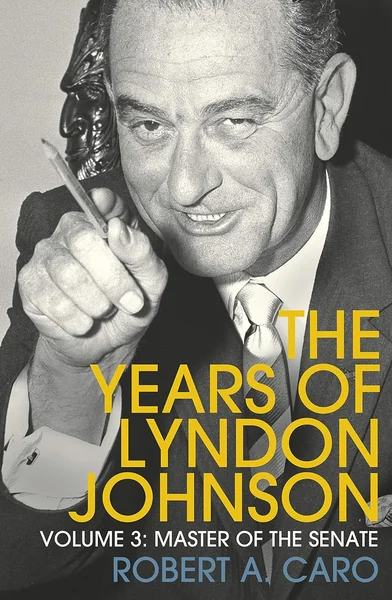
- For readers serious about American political history, legislative power, or the mid-twentieth-century Senate, Master of the Senate is widely regarded as essential reading — it won both the 2003 Pulitzer Prize for Biography or Autobiography and the 2002 National Book Award for Nonfiction, and former Vice President Walter Mondale described it as a 'superb work of history.' Caro's portrait of Johnson navigating the fault line between the Democratic Party's Southern and northern wings to pass the Civil Rights Act of 1957 is genuinely dramatic and carries major historical consequences. The key caveat is commitment: at more than 1,100 pages, with a roughly 100-page institutional prologue before Johnson fully enters the narrative, the book demands exceptional reader patience. Readers who engage with it on its own terms — treating the Senate itself as a protagonist — will find it among the most ambitious and rewarding works of American political nonfiction.
- Who should read this?
- Master of the Senate is essential reading for anyone drawn to the mechanics of American political power, the legislative history of civil rights, or the mid-twentieth-century Senate. It will particularly reward readers interested in how legislative institutions actually function — Caro treats Senate rules, coalition-building, and seniority structures with the same granular attention he gives to Johnson's personal psychology. Readers who have already engaged with the prior two volumes, The Path to Power and Means of Ascent, will get the most from it, as Caro's portrait of Johnson deepens considerably across the series. It is less suited to readers seeking a streamlined narrative biography or an introduction to the Caro LBJ project.
- Similar books
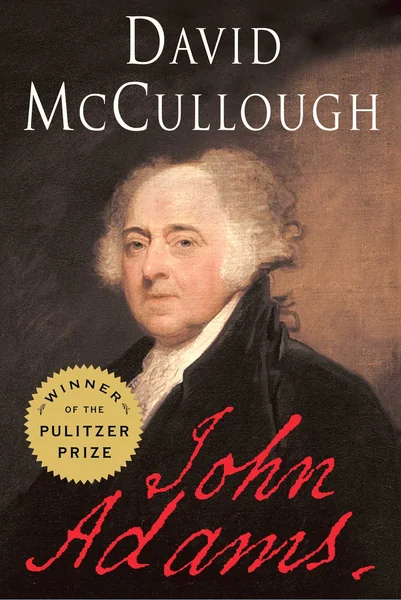
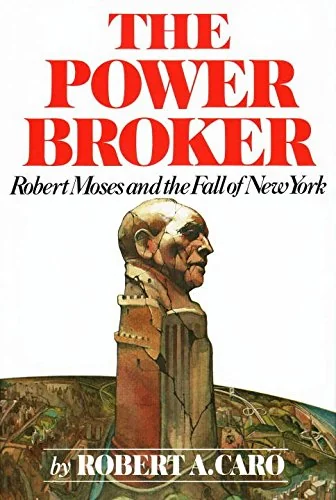
- Readers who admire Master of the Senate will find natural companions in Caro's own The Power Broker: Robert Moses and the Fall of New York, which applies the same exhaustive, morally complex biographical method to the story of urban power broker Robert Moses. For other landmark American political biographies, Ron Chernow's Alexander Hamilton and David McCullough's John Adams offer similarly serious engagements with founding-era figures and the institutions they shaped. H. W. Brands' The First American: The Life and Times of Benjamin Franklin provides another richly researched portrait of an American statesman navigating political complexity. For readers drawn to the civil rights dimensions of Master of the Senate, The Autobiography of Malcolm X offers an essential counterpoint perspective on the same mid-twentieth-century struggle. Martin Gilbert's Churchill: A Life provides a comparable large-scale single-volume biography of a transformative political leader operating within a parliamentary institution.
- About Robert A Caro
- Robert Allan Caro is an American journalist and author known for his biographies of United States political figures Robert Moses and Lyndon Johnson.
- Who is Richard Russell in this book?
- Senator Richard Russell of Georgia is one of the most discussed figures in Master of the Senate — Johnson's mentor and the leader of the Senate's Southern bloc. Caro presents Russell as both a superlative legislator and a convinced racist, a pairing that sharpens the moral complexity at the heart of the narrative. Rather than reducing Russell to a villain, Caro's portrait resists easy characterization, illustrating how Johnson cultivated Russell and the Southern Democrats whose seniority made them enormously powerful, while remaining careful not to become so identified with them that his presidential ambitions would be foreclosed.
- Where does this fit in the LBJ series?
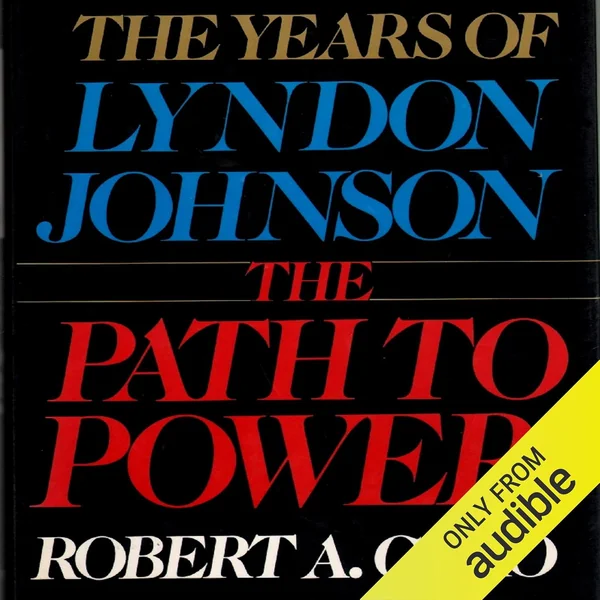
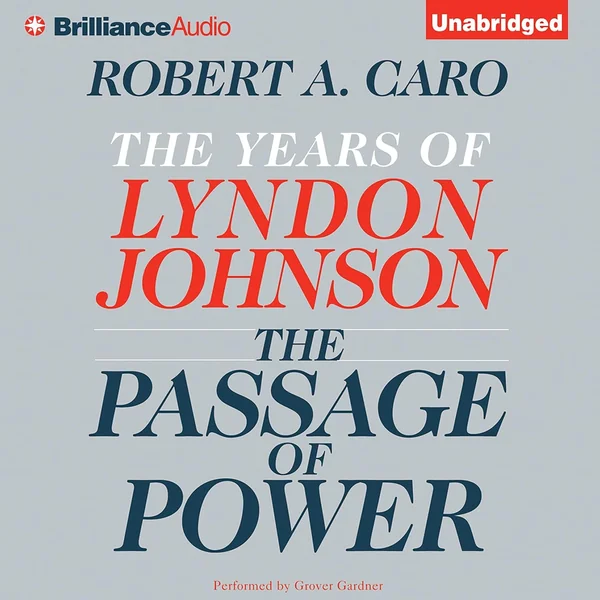
- Master of the Senate is the third of four published volumes in Caro's ongoing multi-book biography The Years of Lyndon Johnson. It follows The Path to Power (covering Johnson's origins and early political career) and Means of Ascent (covering his contested 1948 Senate race), and precedes The Passage of Power (covering his time as vice president and early presidency). A fifth volume — covering the bulk of Johnson's presidency and post-presidential years — was still in progress at the time of this review. Readers new to the series are advised to begin with The Path to Power, as Caro builds his portrait of Johnson's psychology and ambitions across all volumes.
- What are the main themes?
- The central themes of Master of the Senate are the mechanics of legislative power, the moral ambiguities of political ambition, and the long struggle for civil rights in America. Caro examines how Johnson transformed the Senate through manipulation of its rules, coalition-building, and personal ruthlessness — episodes like the ouster of Leland Olds illustrate the relationship between raw ambition, institutional leverage, and ethical compromise. The book also grapples with the contradictions of the American political system: how a man capable of falsely accusing a political opponent of Communist sympathies could simultaneously be, in Caro's assessment, the white government official who did the most to advance the cause of Black Americans in the twentieth century. The Senate itself functions as a theme — Caro treats it not merely as a backdrop but as a protagonist shaped by its own history and institutional character.
Summarize this book
Follow up
Synthesized from verified book data & published reviews · How we review
Press Enter to ask. Answers come from our editorial Q&A — start typing to see related questions.
Age & Reading Level
Recommended age
Adult
Reading level
Adult
2 content notes · who it suits
Content to know about
Skip if you want a fast-paced biographical narrative rather than exhaustive institutional and political history
Editorial Review
Robert A. Caro's Master of the Senate is the third volume in his ongoing multi-book biography The Years of Lyndon Johnson, winner of the 2003 Pulitzer Prize for Biography or Autobiography.…
Read the Full ReviewBooks like Master of the Senate
Curated picks for readers who enjoyed Master of the Senate, with our reasoning for each match.
Read Next
If you liked Master of the Senate